

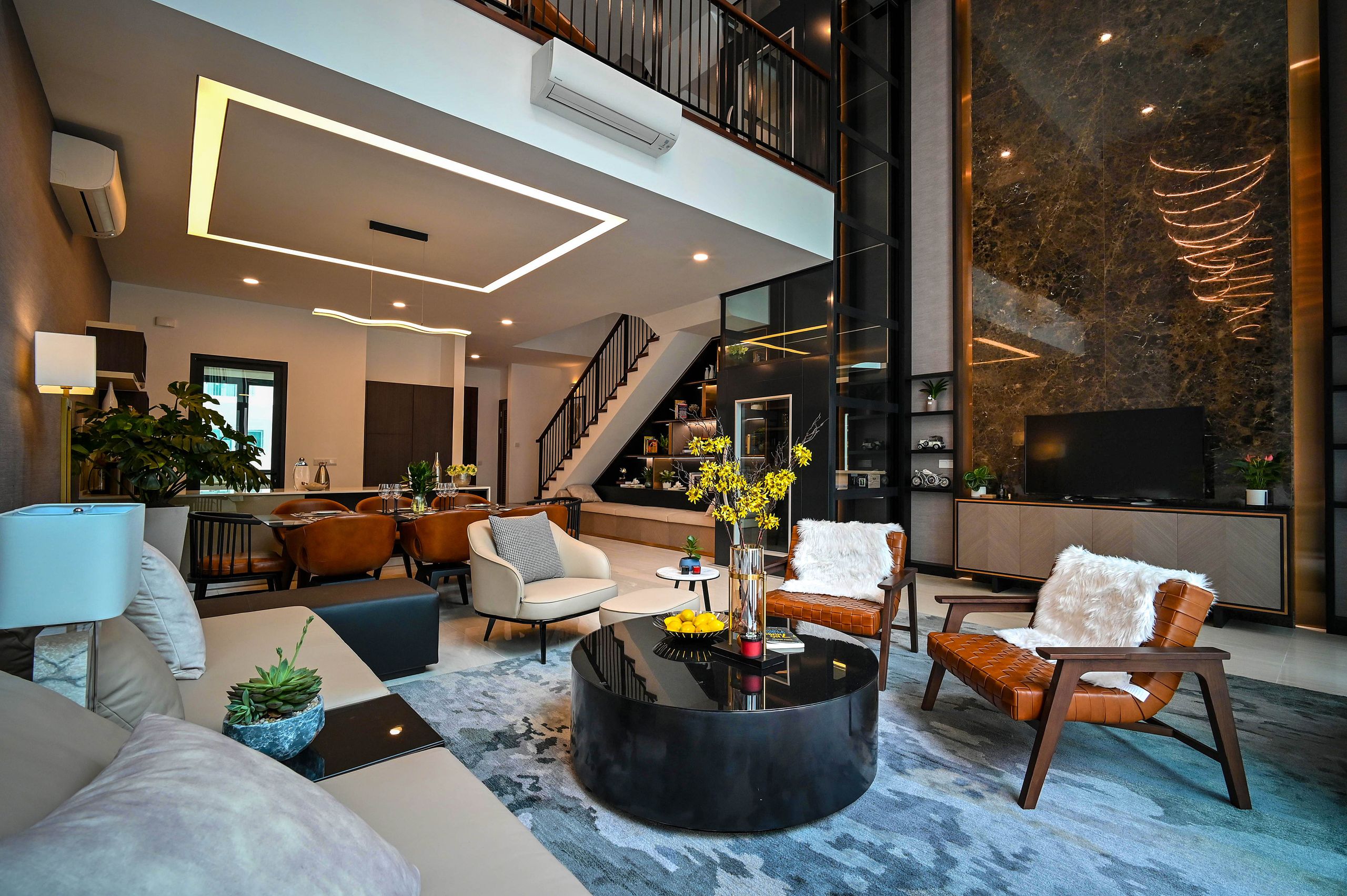
Choosing an interior design style can make decorating a home much easier. With so many options available, it can be difficult to know the difference between modern, minimalist, Scandinavian, Japandi, industrial, and other popular styles.
Interior design styles provide a framework for choosing furniture, colors, materials, lighting, textures, and decorative elements. They can also help create a consistent look throughout a room or an entire home.
In 2025, interior design continued to move toward warmer, more personal spaces. Natural materials, vintage influences, richer colors, layered textures, and individual expression became important parts of contemporary design discussions. A 1stDibs survey of 643 interior designers found that maximalism and eclecticism were each selected by 33% of respondents as aesthetics likely to remain popular in 2025, while organic modernism was selected by 31%.
Whether you prefer a calm minimalist room or a colorful maximalist space, understanding the major interior design styles can help you decide what works best for your home.
What Are Interior Design Styles?
Interior design styles are recognizable approaches to decorating and arranging a space. Each style has its own combination of furniture shapes, colors, materials, patterns, textures, lighting, and decorative details.
Some styles emphasize simplicity and functionality, while others focus on historical details, bold colors, natural materials, or personal collections.
It is also important to remember that design styles are not strict rules. Many homeowners combine elements from different styles to create an interior that reflects their personality and lifestyle.
1. Modern Interior Design
Modern interior design focuses on clean lines, simple forms, functional furniture, and an uncluttered appearance. It generally avoids excessive decoration and allows furniture, architecture, and materials to create visual interest.
Common materials include wood, glass, metal, concrete, and leather. Neutral shades such as white, gray, beige, brown, and black are frequently used, although stronger colors can be introduced through artwork, furniture, or accessories.
Modern interiors often work well for people who prefer organized and practical spaces. The style is also flexible enough to incorporate vintage pieces, natural materials, or decorative elements from other design approaches.
Key Features of Modern Design
- Clean and straight lines
- Functional furniture
- Simple shapes
- Neutral color palettes
- Glass, metal, wood, and concrete
- Limited decorative clutter
- Open and organized layouts
Modern design does not have to look cold. Adding natural wood, textured fabrics, plants, rugs, or warm lighting can make the space more comfortable.
2. Scandinavian Interior Design
Scandinavian interior design is recognized for simplicity, functionality, natural materials, and comfort. The style often uses light colors, natural wood, soft textiles, and simple furniture to create bright and welcoming spaces.
White, cream, beige, pale gray, and light wood are common choices. Textures such as wool, linen, cotton, and leather can add warmth without making the room feel visually heavy.
Natural light is another important element. Large windows, light-colored walls, and simple furniture can help create an airy atmosphere.
Scandinavian design is particularly useful for smaller homes and apartments because it emphasizes functionality and avoids unnecessary visual clutter.
Key Features of Scandinavian Design
- Light and neutral colors
- Natural wood
- Functional furniture
- Simple silhouettes
- Soft textiles
- Natural light
- Comfortable and uncluttered spaces
The style can also be adapted with darker accents, plants, artwork, or colorful accessories without losing its basic character.
3. Japandi Interior Design
Japandi is a combination of Japanese and Scandinavian design influences. It brings together Scandinavian functionality and warmth with Japanese simplicity, craftsmanship, and appreciation for natural materials.
The result is usually calm and understated. Wood, stone, ceramics, linen, paper, and other natural materials are frequently used.
Japandi interiors generally avoid excessive decoration. Instead, each piece is selected carefully and given enough space to stand out.
Key Features of Japandi Design
- Natural materials
- Simple furniture
- Neutral and earthy colors
- Minimal decoration
- Handmade or crafted elements
- Clean lines
- Intentional open space
Japandi is often suitable for people who want a peaceful home without creating an extremely bare minimalist environment.
The style also demonstrates how two different design traditions can work together without making a room feel visually disconnected.
4. Minimalist Interior Design
Minimalist design is centered around simplicity, functionality, and intentional choices. It reduces unnecessary visual elements and focuses attention on the most useful or meaningful pieces in a room.
Minimalist interiors often feature simple furniture, limited decoration, restrained colors, and carefully planned storage.
Although white is commonly associated with minimalism, the style can also use beige, warm gray, brown, black, and natural wood.
Key Features of Minimalist Design
- Limited clutter
- Simple furniture
- Restrained color palette
- Functional storage
- Open visual space
- Simple decorative elements
- Focus on quality and purpose
Minimalism does not mean that a home has to feel empty. Instead, it is about making deliberate choices about what belongs in a space.
This approach can be particularly helpful in smaller homes where too much furniture or decoration can make rooms feel crowded.
5. Industrial Interior Design
Industrial interior design takes inspiration from warehouses, factories, workshops, and urban lofts. It is known for raw materials, practical furniture, exposed architectural features, and a somewhat rugged appearance.
Exposed brick, concrete, metal, reclaimed wood, and visible pipes are common features. Darker shades such as charcoal, black, gray, and brown are often combined with natural wood.
Key Features of Industrial Design
- Exposed brick
- Concrete surfaces
- Metal furniture
- Reclaimed wood
- Darker colors
- Practical lighting
- Open layouts
- Loft-inspired elements
Industrial interiors can sometimes appear hard or cold because of their use of metal and concrete. Rugs, plants, warm wood, cushions, and soft upholstery can introduce contrast and make the space more comfortable.
The style works particularly well in lofts, apartments, converted buildings, and homes with exposed architectural features.
6. Mid-Century Modern Interior Design
Mid-century modern design developed around the middle of the 20th century and remains popular because of its combination of functionality, simple forms, and distinctive furniture.
The style commonly features wooden furniture, tapered legs, organic shapes, simple upholstery, and carefully selected decorative objects.
Instead of covering a room with vintage pieces, homeowners can introduce the style through a few recognizable elements, such as a wooden sideboard, curved chair, geometric lamp, or retro-inspired artwork.
Key Features of Mid-Century Modern Design
- Clean silhouettes
- Functional furniture
- Natural wood
- Tapered furniture legs
- Organic shapes
- Simple patterns
- Retro-inspired details
Vintage influences have also remained relevant in recent design discussions. A 1stDibs 2025 designer survey reported that 81% of designers surveyed sourced products from the 1920s through the 1990s in 2024.
Mid-century modern can therefore work as either a complete decorating approach or as an accent within a more contemporary home.
7. Mediterranean Interior Design
Mediterranean interior design draws inspiration from regions surrounding the Mediterranean Sea. It often creates a relaxed and naturally warm atmosphere through earthy colors, textured surfaces, and organic materials.
Terracotta, stone, plaster, ceramic tile, natural wood, linen, and woven materials are common choices.
Color palettes can include cream, beige, terracotta, olive green, sandy tones, warm brown, and muted blue.
Key Features of Mediterranean Design
- Warm earthy colors
- Terracotta
- Natural stone
- Textured walls
- Wood
- Ceramic tiles
- Linen and woven materials
- Arched architectural details
Mediterranean design can be especially effective in homes with natural light and architectural features such as arches, exposed beams, textured walls, or tiled floors.
The style does not have to be highly decorative. A few natural materials and warm colors can be enough to introduce a Mediterranean influence.
8. Bohemian Interior Design
Bohemian interior design, often called boho style, is expressive, relaxed, and eclectic. It allows different patterns, colors, textures, furniture pieces, plants, artwork, and decorative objects to coexist.
Unlike minimalist design, bohemian interiors can contain many visual elements. The goal is to create a collected and personal atmosphere rather than a perfectly coordinated room.
Natural materials such as rattan, jute, cotton, wood, and woven fibers are frequently used.
Key Features of Bohemian Design
- Layered textiles
- Mixed patterns
- Plants
- Vintage furniture
- Natural materials
- Handmade decorations
- Artwork
- Eclectic accessories
The main challenge with bohemian design is maintaining visual balance. Repeating certain colors, materials, or patterns can help different pieces feel connected.
For example, a room could combine a patterned rug, wooden furniture, woven baskets, plants, and colorful cushions while repeating two or three key colors throughout the space.
9. Traditional Interior Design
Traditional interior design draws from established historical decorating principles. It often emphasizes symmetry, classic furniture, decorative details, rich materials, and carefully coordinated colors.
Traditional rooms may include detailed woodwork, patterned fabrics, classic lighting, molding, fireplaces, and decorative accessories.
Key Features of Traditional Design
- Symmetrical arrangements
- Classic furniture
- Decorative details
- Patterned fabrics
- Wood furniture
- Traditional lighting
- Balanced layouts
Traditional design does not necessarily mean that everything has to look old-fashioned.
A contemporary interpretation can combine classic furniture with modern artwork, simpler fabrics, updated lighting, or more neutral colors.
This makes traditional design adaptable to both older properties and newer homes.
10. Biophilic Interior Design
Biophilic interior design focuses on strengthening the connection between indoor spaces and nature. Plants are one of the most visible elements, but biophilic design involves much more than adding greenery.
Natural light, wood, stone, natural fibers, earthy colors, organic shapes, ventilation, and views of outdoor environments can all contribute to a biophilic interior.
Key Features of Biophilic Design
- Indoor plants
- Natural light
- Wood
- Stone
- Natural fibers
- Earth-inspired colors
- Organic shapes
- Connection with outdoor spaces
Biophilic design can be used with other styles. For example, a modern home can incorporate plants and natural wood, while a minimalist room can use natural textures and greenery.
This makes biophilic design more of an adaptable design approach than a rigid visual formula.
11. Maximalist Interior Design
Maximalist interior design embraces color, pattern, artwork, decorative objects, and visual layering. Instead of minimizing the number of elements in a room, maximalism allows homeowners to express personality through a richer combination of objects and materials.
Bold wallpaper, colorful furniture, artwork, books, vintage pieces, patterned textiles, and statement lighting can all appear in a maximalist space.
Key Features of Maximalist Design
- Bold colors
- Layered patterns
- Statement furniture
- Artwork
- Decorative objects
- Mixed textures
- Vintage and contemporary combinations
Maximalism does not mean placing every possible object into one room. Successful maximalist interiors usually have some form of visual organization.
Repeating colors, balancing large and small patterns, and creating focal points can help prevent the room from feeling chaotic.
A 1stDibs survey of 643 interior designers found that 33% selected maximalism as an aesthetic likely to remain popular in 2025.
12. Organic Modern Interior Design
Organic modern design combines contemporary furniture and clean forms with natural materials, earthy colors, soft shapes, and tactile textures.
It is often appealing to people who like modern interiors but want their homes to feel warmer and less rigid.
Wood, stone, linen, wool, plaster, natural fibers, and earthy shades are common. Curved furniture and organic shapes can soften the sharper lines found in some modern interiors.
Key Features of Organic Modern Design
- Natural materials
- Warm neutral colors
- Wood and stone
- Linen and wool
- Curved furniture
- Soft textures
- Contemporary shapes
- Nature-inspired details
Organic modernism also appeared prominently in 2025 designer research. In the 1stDibs survey, 31% of designers selected organic modernism as an aesthetic likely to remain popular in 2025.
A Quick Comparison of Popular Interior Design Styles
| Style | Main Characteristics | Typical Materials | Overall Feel |
| Modern | Clean lines and simple forms | Glass, metal, wood | Sleek |
| Scandinavian | Light, functional, comfortable | Wood, wool, linen | Warm |
| Japandi | Minimal, natural, balanced | Wood, stone, ceramics | Calm |
| Minimalist | Simple and uncluttered | Wood, concrete, glass | Refined |
| Industrial | Raw and utilitarian | Metal, brick, concrete | Urban |
| Mid-Century Modern | Organic forms and functional furniture | Wood, leather, metal | Retro-modern |
| Mediterranean | Earthy and relaxed | Stone, terracotta, wood | Warm |
| Bohemian | Layered and eclectic | Textiles, rattan, wood | Relaxed |
| Traditional | Classic and symmetrical | Wood, fabrics, brass | Timeless |
| Biophilic | Nature-focused | Plants, wood, stone | Natural |
| Maximalist | Bold and layered | Mixed materials | Expressive |
| Organic Modern | Natural and contemporary | Wood, stone, linen | Soft-modern |
How to Choose the Right Interior Design Style
Choosing an interior design style does not require redesigning an entire home immediately. Start by considering how you live, what you already own, and what type of environment feels comfortable to you.
Consider Your Lifestyle
Your daily routine should influence your design choices. A household with children or pets may need durable and easy-to-clean materials, while someone working from home may prioritize storage, comfortable seating, and good lighting.
Think about how often you entertain guests, how much maintenance you want to handle, and how much storage your household needs.
Look at Your Existing Space
Your home’s architecture can provide useful clues. Consider the size of each room, natural light, ceiling height, flooring, windows, doors, and existing architectural details.
A style that works beautifully in a large, bright home may require adjustments in a small apartment.
Identify What You Naturally Like
Save examples of rooms that appeal to you. After collecting several examples, look for repeated characteristics.
You may notice that you consistently choose warm wood, neutral colors, vintage furniture, bold patterns, natural textures, or curved shapes.
These repeated preferences can help you identify your personal design direction.
Start With One Room
You do not need to redesign your entire home at once.
Choose one room and test your preferred colors, furniture, materials, and accessories there. This approach makes it easier to determine whether the style works in your actual space before making larger changes.
Don’t Be Afraid to Mix Styles
Different interior design styles can work together when they share common elements.
For example, Scandinavian and Japandi styles already have several similarities. A modern room can also incorporate mid-century furniture, while a traditional home can use contemporary lighting.
Repeating a color, material, shape, or texture throughout the room can help different influences feel cohesive.
Interior Design Styles vs. Interior Design Trends
Interior design styles and design trends are related, but they are not the same thing.
A style is a broader and more established design language. It can remain recognizable for many years or even decades.
A trend is generally a specific direction that becomes popular during a particular period. Trends can influence how an established style is interpreted without completely replacing it.
For example, Scandinavian design is an established style, while a particular color or decorating technique may become a temporary trend.
This distinction is useful when planning a home because investing heavily in a short-term trend can produce a very different result from building a room around a long-established style.
In 2025, design coverage highlighted natural materials, earthy colors, vintage influences, stronger personal expression, and more layered interiors. At the same time, designer research showed interest in both restrained and highly expressive approaches.
This suggests that there was not one universal look defining every home. Instead, homeowners had a wide range of styles and influences to choose from.
Frequently Asked Questions About Interior Design Styles
What are the most popular interior design styles in 2025?
Popular and widely discussed styles include modern, Scandinavian, Japandi, minimalist, industrial, mid-century modern, Mediterranean, bohemian, traditional, biophilic, maximalist, and organic modern design.
Popularity can vary by region, designer, publication, and individual preference, so these styles should be viewed as major design approaches rather than a definitive ranking.
What is the difference between modern and minimalist interior design?
Modern design focuses on clean lines, functional furniture, and contemporary forms. Minimalist design places greater emphasis on reducing visual clutter and keeping only the elements that serve a clear purpose.
The two styles can overlap, but they are not identical.
Is Japandi still popular in 2025?
Yes. Japandi continued to receive attention because it combines Scandinavian functionality with Japanese simplicity, natural materials, craftsmanship, and calm visual compositions.
Its emphasis on natural materials and uncluttered spaces also fits broader interest in warmer and more nature-connected interiors.
What interior design style is best for a small home?
There is no single style that is best for every small home. Scandinavian, minimalist, Japandi, and modern approaches can be practical because they often emphasize functionality, simple furniture, and reduced visual clutter.
The best choice depends on the room’s architecture, storage needs, lighting, and the homeowner’s preferences.
Can you mix different interior design styles?
Yes. Mixing styles can create a more personalized interior. The easiest way to maintain cohesion is to repeat certain colors, materials, shapes, or textures across the room.
Using one primary style as the foundation and introducing smaller elements from another style can also help maintain balance.
How do I find my interior design style?
Start by collecting images of rooms you genuinely like. Look for recurring features such as colors, furniture shapes, materials, patterns, and textures.
You can then compare those characteristics with established styles to identify the approaches that most closely match your preferences.
Final Thoughts
The world of interior design styles offers many different ways to create a comfortable and personal home. Modern and minimalist interiors focus on simplicity, while Scandinavian and Japandi styles combine functionality with warmth and natural materials.
Industrial and mid-century modern design bring distinctive architectural and furniture influences, while Mediterranean and bohemian approaches create more relaxed and expressive environments. Traditional interiors emphasize classic details, while biophilic design strengthens the connection between indoor spaces and nature.
Maximalism provides room for bold colors, patterns, collections, and personal expression, while organic modern design combines contemporary forms with natural materials and softer textures.
The most important point is that you do not have to follow one style perfectly. Use these styles as a starting point, identify the elements you genuinely like, and adapt them to your home’s architecture, your lifestyle, and your personal taste.
In 2025, design research and industry coverage showed interest across a wide range of aesthetics rather than a single universal direction. Natural materials, vintage influences, expressive interiors, organic modernism, maximalism, and eclectic approaches all remained part of the conversation.
Ultimately, the most useful interior design style is one that makes sense for the people living in the space. Start with one room, experiment with a few elements, and build a home that feels intentional without losing its personality.
