
A cluttered pantry can make everyday cooking more stressful. Cereal boxes hide behind snack bags, canned goods take up valuable shelf space, and ingredients you already own get forgotten. The problem becomes even more frustrating when your pantry is a small closet or a narrow cabinet.
Learning how to organize pantry space doesn’t require expensive containers or custom shelving. A few practical changes can make a big difference. By decluttering first, measuring your shelves, grouping similar foods, and using available vertical space, you can create a pantry that’s easier to use and maintain. These tips work for small apartments, rental homes, and busy family kitchens.
1. Empty Your Pantry and Declutter First
Before buying storage products, take a look at what you already have. How to Organize Pantry Remove pantry items and place them on a clean counter or table. If you have limited space, work on one shelf at a time.
Clean the Shelves
Wipe away crumbs, dust, and spills before returning anything. A clean surface gives you a fresh start and makes it easier to plan your layout.
Check Dates and Group Similar Foods
Check product labels and identify items that are no longer suitable to keep. Put duplicate products together so you can see what you own. You may discover several open packets of pasta or multiple boxes of the same cereal.
Keep ingredients your household actually uses. There’s no need to discard perfectly good food simply because you rarely see it in decorative pantry photos.
2. Measure Your Pantry Before Buying Organizers
One of the most useful pantry organization tips is to measure your available space before purchasing bins, baskets, or shelf risers.
Measure Width, Depth, and Height
Check the width and depth of each shelf, along with the space between shelves. How to Organize Pantry These measurements help you determine which containers will fit without blocking other items.
For closet-style pantries, How to Organize Pantry check how far the door opens and whether door-mounted storage would interfere with the shelves.
Choose Organizers That Fit
Oversized baskets can waste valuable room in a narrow pantry. Tall containers may also prevent you from using the shelf above them.
Try arranging your groceries with the containers you already own before shopping. Renters can often use removable bins and freestanding organizers without making permanent changes.
3. Create Simple Zones for Everyday Items
A small pantry becomes easier to manage when every group of groceries has a designated place. Instead of arranging items by appearance, organize them according to how you use them.
Group Similar Foods
Create simple pantry storage zones for categories such as:
- Breakfast foods and cereal
- Snacks and lunchbox items
- Baking supplies
- Pasta, rice, and grains
- Canned foods and jars
- Cooking ingredients and backup supplies
You don’t need a separate basket for every category. How to Organize Pantry Combine related items when space is limited.
Keep Everyday Ingredients Within Reach
Place frequently used products on shelves that are easy to access. How to Organize Pantry Store heavier cans and large containers on lower shelves, while lighter items used less often can go higher.
For example, a family that packs school lunches daily might keep snack bars and crackers at eye level. Baking ingredients used only occasionally can go on a higher shelf.
The goal is convenience, not perfection.
4. Make the Most of Vertical Space
When floor space and shelf width are limited, using the available height can improve a small pantry’s layout.
Use Shelf Risers and Stackable Bins
Shelf risers can make short cans and jars easier to see, especially when items would otherwise sit behind one another. Stackable bins may help contain lightweight packets and small products.
Check the shelf clearance before adding anything. An organizer that makes one shelf more efficient can become a problem if it prevents you from reaching the shelf above it.
Organize the Pantry Door
An over-the-door pantry organizer can hold small packets, spices, or other lightweight products when the door design allows it.
Look — if you’re working with a narrow pantry, How to Organize Pantry here’s what actually works: use the door only when the organizer fits securely and doesn’t hit shelves, handles, or hinges. Follow the manufacturer’s weight limits, and make sure the door closes properly.
5. Organize Deep Shelves and Awkward Corners
Deep pantry shelves can hide food at the back, making it easy to forget what you own. How to Organize Pantry The solution is to improve access rather than simply filling every available inch.
Use Bins and Turntables
Removable bins can group similar products and let you pull several items forward at once. A turntable may help with suitable jars or bottles in a deep corner.
Choose these accessories only when they fit. A large turntable can take up more space than it saves in a narrow pantry.
Keep Small Items Visible
Place frequently used groceries near the front and keep labels facing outward when practical. Shallow baskets can hold small packets without letting them spread across the shelf.
Here’s the thing: seeing what you already own is often more useful than squeezing in one extra package. A pantry that is easy to scan can also help you avoid buying duplicate groceries.
6. Choose Budget-Friendly Pantry Storage Solutions
You don’t need a matching set of containers to achieve an organized pantry. In many homes, buying everything new creates extra expense without solving the main problem.
Reuse Containers You Already Own
Clean, suitable jars and existing baskets can help group pantry items. Keep original packaging when it stacks neatly or contains useful preparation instructions.
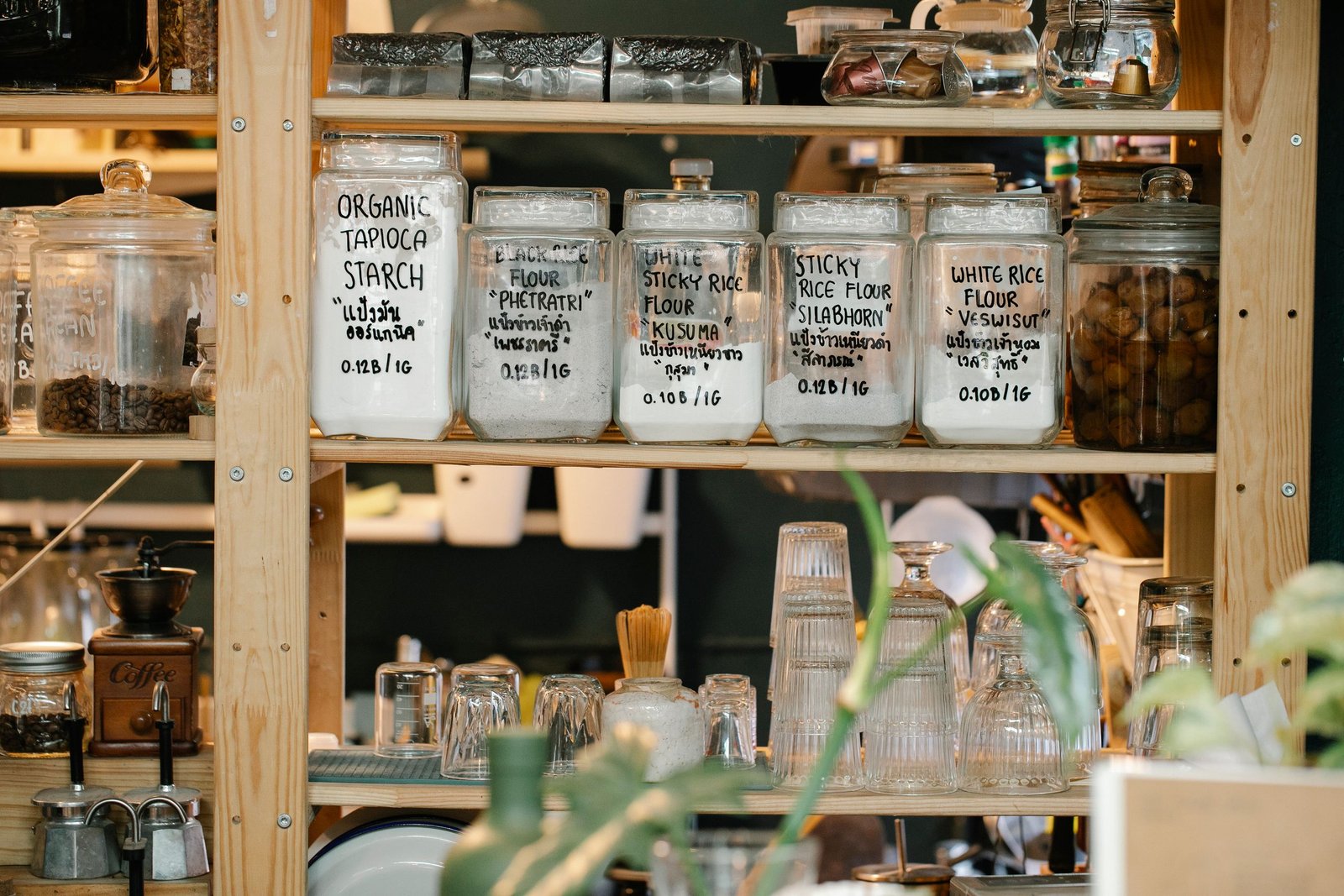
Airtight food containers can be helpful for suitable dry goods when they improve storage and access. Choose containers suitable for food contact, keep them clean and dry, and label their contents when needed.
Label Only When Necessary
Labels are useful for opaque containers, shared family pantries, and categories that look similar. How to Organize Pantry Simple handwritten labels can work well.
Or maybe I should say it this way: buy an organizer only when you know what problem it will solve. How to Organize Pantry Measuring first and reusing what you own can be more effective than purchasing matching containers that don’t fit.
7. Keep Your Small Pantry Organized
Once your pantry is tidy, a few simple habits can help keep it that way.
Rotate Older Groceries Forward
When putting away new groceries, move older suitable products toward the front and place newer ones behind them. This first-in, first-out approach helps you use existing supplies before opening replacements.
Follow package instructions and relevant storage guidance for individual foods.
Follow a Simple Weekly Reset
Spend a few minutes restoring order each week. How to Organize Pantry Return misplaced items to their assigned zones, clear crumbs, check supplies, and make a shopping list based on what you actually need.
You don’t need a complicated schedule. A simple routine that fits your household is easier to maintain.
Frequently Asked Questions
How do you organize a very small pantry?
Remove unnecessary items, group similar groceries, and give each shelf a clear purpose. Use vertical space carefully and keep frequently used products within easy reach.
How do you organize a pantry that is just a closet?
Measure the shelves, group foods into practical categories, and use compact bins where they improve access. Consider door storage only if there is enough clearance.
What is the best way to organize a small pantry on a budget?
Reuse suitable jars, baskets, and containers you already own. Measure your shelves before buying anything, and prioritize visibility over decorative matching sets.
What should go on the top shelf of a small pantry?
Use the top shelf for lightweight items you don’t need often, provided you can reach them safely. Keep heavy containers and daily essentials on accessible shelves.
Are clear containers necessary for pantry organization?
No. Clear containers can help with visibility, but original packaging and labeled baskets are practical alternatives. Choose the option that fits your space and routine.
How do you keep a small pantry organized long-term?
Return items to their assigned zones, rotate older groceries forward, check supplies before shopping, and tidy the shelves regularly.
Final Thoughts on How to Organize Pantry Space
Learning how to organize pantry space starts with a few simple steps: declutter, measure, group similar foods, and make the most of your shelves. You don’t need expensive products or a large walk-in pantry to create a functional system. Start with one shelf, find a place for everyday essentials, and build a routine that works for your home. Small changes can make even a closet-style pantry easier to use.
