
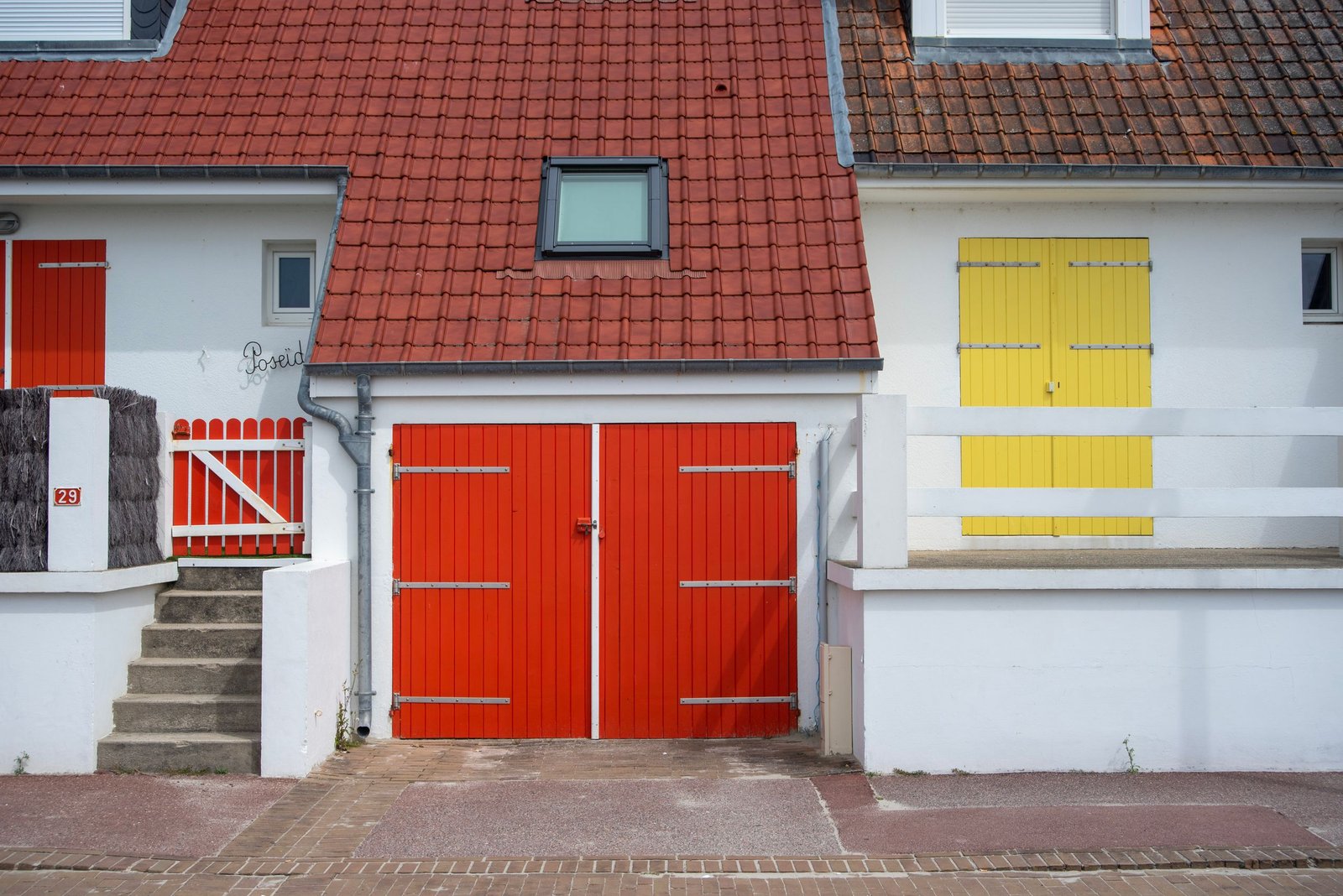
A broken garage door can disrupt your whole day, whether it refuses to open, stops halfway, or makes strange noises. Before assuming you need a full garage door replacement, look at the symptoms and check for simple causes. Effective garage door repair starts with knowing which checks are safe to do yourself and when to search for garage door repair near me and call a qualified garage door technician.
Some problems are minor, such as weak remote batteries, power interruptions, or blocked sensors. Others point to a broken garage door spring, a worn cable, or a failing opener. Basic troubleshooting helps, but most mechanical work needs professional garage door service.
Understanding How a Garage Door Works
A residential garage door relies on several connected parts. Springs counterbalance the door’s weight, cables support the lifting system, tracks guide the door, and rollers let it move smoothly. The opener provides powered movement through a remote or wall control.
Safety sensors detect objects in the door’s path and prevent unsafe closing. When one part fails, the whole system can stop working. Knowing these parts makes it easier to spot warning signs and decide whether to fix a garage door yourself or book a garage door repair service.
Common Garage Door Problems and Their Causes
Garage Door Will Not Open
A door that will not open may have a power problem, dead remote batteries, or an opener fault. Start by checking the power supply and the remote. If the opener runs but the door stays stuck, do not force it.
A garage door spring snapped or a garage door cable snapped can stop normal movement. These parts carry heavy tension, so leave garage door spring repair and garage door cable repair to a professional. Garage door torsion spring replacement is especially dangerous for amateurs.
Garage Door Will Not Close
If the door opens but will not close, the safety sensors may be dirty, blocked, or misaligned. Check for stored items or dirt near the sensors, remove ordinary obstructions if it is safe, and clean the lenses following the manufacturer’s instructions. Never bypass the sensors. If the problem continues, a garage door sensor repair cost is usually modest compared with the risk of ignoring it.
Unusual Noises During Operation
Squeaking, grinding, or rattling can mean worn parts, loose hardware, or trouble with the rollers. Noise alone does not confirm the cause. If the door becomes crooked or moves unevenly, stop using it and arrange an inspection. A worn garage door roller replacement or a broken garage door hinge replacement may be needed.
Remote Not Working
A remote that stops responding may just need new batteries. If not, you may need a garage door opener remote replacement or a programming reset. Chamberlain, LiftMaster, and Genie openers use different procedures, so follow your model’s manual.
Door Off Track
A garage door off track is a serious safety issue. Do not bend tracks back or force the door. Call a technician for garage door track repair, because a damaged door can fall without warning.
Safe Steps for Basic Troubleshooting
Homeowners can do a few simple checks without taking anything apart:
- Power and controls: Look for a power interruption and test the wall control. Never open electrical housings or touch live wiring on an electric garage door.
- Sensors: Make sure nothing blocks them and keep the area clear.
- Visible obstructions: Check the tracks for debris, but do not touch damaged rollers or force a crooked door.
Never adjust springs, remove cables, or loosen bottom brackets. These parts store enough energy to cause serious injury.
When to Call a Professional
Call a garage door repair company if you see a broken garage door spring, a frayed cable, a bent track, a displaced roller, or a door that feels heavy or uneven. A damaged garage door panel replacement, a garage door frame repair, or a garage door bracket repair also belongs with a pro. Electrical damage, burning smells, and persistent opener faults need attention too, and a garage door opener repair is best left to someone trained.
If the door is unsafe to use, emergency garage door repair may be the right call. Stop using the door and keep people away until it is assessed. The Door & Access Systems Manufacturers Association (DASMA) offers safety guidance that stresses proper maintenance and caution around dangerous components.
Garage Door Repair or Replacement: Which Is Better?
The right choice depends on the damage, the condition of the system, and the price. A localized fault is often fixed through professional garage door repair, such as a garage door spring replacement, a new opener, or a dent fix through garage door dent repair. Extensive damage or repeated failures may make garage door replacement the smarter move.
Compare garage door repair prices with the garage door replacement cost, and ask for an itemized estimate covering parts, labor, and warranty. Typical costs vary: a garage door spring replacement cost differs from garage door opener replacement or garage door motor replacement. Age alone does not mean a door must be replaced.
How to Prevent Future Problems
Regular garage door maintenance helps you catch trouble early. Keep the area clear, check the sensors, and watch for unusual movement or sounds. A yearly garage door inspection or garage door tune up can extend the life of the system, and garage door opener maintenance keeps the motor and remote working well. Follow the lubrication schedule for your model, and replace worn parts like a garage door bottom seal replacement before they cause bigger issues.
Frequently Asked Questions
Can I repair a garage door myself?
You can handle simple tasks such as changing remote batteries or clearing sensor obstructions. Spring, cable, electrical, and structural work calls for professional garage door repair.
Why is my garage door not opening or closing?
Common causes include power loss, remote problems, blocked sensors, opener faults, or mechanical damage. Check the controls and obstructions without forcing the door.
Is it safe to use a garage door with a broken spring?
No. A broken garage door spring can no longer support the door’s weight. Stop using it and book a garage door repair service.
When should I replace my garage door?
Consider garage door replacement when damage is extensive, parts are unavailable, or the system is no longer practical to maintain. Weigh the cost to fix a garage door against the door’s overall condition.
Final Thoughts
Garage door repair begins with recognizing the symptoms and choosing the right next step. Checking batteries, controls, and sensors may solve simple problems, while springs, cables, tracks, and electrical parts need greater care. When the cause is unclear or the door moves unevenly, a local garage door repair expert can assess the problem and recommend a safe solution, whether that is professional garage door repair, a new opener, or replacement.
