
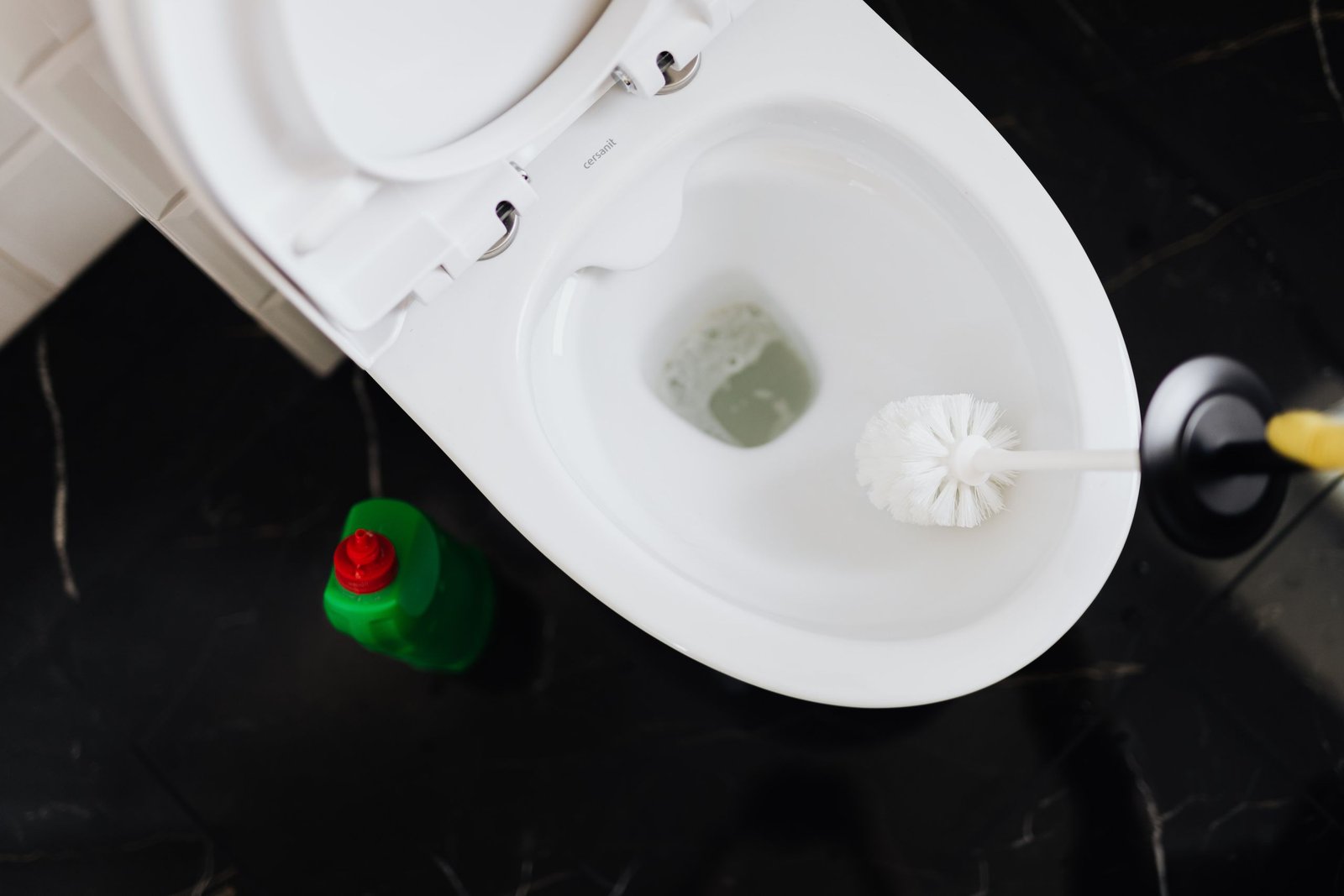
The water is rising. You’re staring at the bowl and hoping it stops. Take a breath. Most toilet clogs are simple to fix, and you can usually do it yourself in under 15 minutes with tools you may already own.
This guide shows you how to unclog a toilet in the right order, starting with the steps that stop a mess. We cover the plunger method, the dish soap method, the toilet auger, and what to do when you have no plunger at all. How to Unclog a Toilet You’ll also learn which popular tricks are unsafe and when it’s time to call a plumber.
Quick Answer: How Do You Unclog a Toilet?
- Stop flushing. Lift the tank lid and push the flapper down, or turn off the water valve.
- Use a flange plunger. Cover the drain hole, make a tight seal, and push and pull steadily.
- Try hot water and dish soap if the plunger doesn’t work.
- Use a toilet auger (closet auger) for stubborn clogs.
- Call a plumber if nothing works or water backs up in other drains.
Most clogs clear in the first or second step.
Safety First: Do This Before Anything Else
A few seconds of prep can save you from an overflow and a bathroom floor covered in water.
Stop the water. Don’t flush again, even if the bowl looks like it’s draining. How to Unclog a Toilet Each flush sends more water into the bowl.
Close the flapper or the valve. Remove the tank lid and press the rubber flapper (the round piece at the bottom of the tank) down over the hole. That stops water from entering the bowl. How to Unclog a Toilet You can also turn the oval handle on the supply valve behind the toilet, near the floor, clockwise until it stops.
Protect yourself and the floor. Put on rubber gloves and lay old towels or newspaper around the base.
Never mix chemicals. Don’t pour bleach, vinegar, ammonia, or different cleaners together in the bowl. Some combinations create dangerous fumes. How to Unclog a Toilet If you’ve already used a chemical cleaner, don’t plunge afterward, since splashing can burn your skin and eyes.
What You Need
| Tool | What it’s for | Do you need it? |
| Flange plunger | Pushes the clog through the drain | Yes, best first tool |
| Rubber gloves | Hygiene and protection | Yes |
| Old towels | Catch splashes and spills | Yes |
| Dish soap | Lubricates the clog | Handy |
| Bucket | Remove extra water | Handy |
| Toilet auger (closet auger) | Breaks up or pulls out stubborn clogs | Good backup |
Which Plunger Should You Use?
This matters more than most people realize. There are two common types:
- Cup plunger: A flat rubber cup. It’s made for sinks and tubs and doesn’t seal well in a toilet.
- Flange plunger: A cup with an extra rubber sleeve that folds out. That sleeve fits into the toilet drain and creates the seal you need.
If you can, use a flange plunger. If yours has a fold-out flap, pull it out before you start.
How to Unclog a Toilet With a Plunger (Step by Step)
This is the best first method for most clogs, including paper and waste clogs.
Step 1: Check the water level
You need enough water to cover the rubber cup. How to Unclog a Toilet If the bowl is too low, add water from a bucket until the plunger is covered. If the bowl is close to overflowing, scoop some out into a bucket first.
Step 2: Position the plunger
Tilt the plunger slightly as you lower it in to let trapped air escape. Then center it over the drain hole so the flange sits inside it.
Step 3: Make a tight seal
Press down gently until the cup seals against the porcelain. The seal is what does the work. If air escapes, the plunger won’t move the water.
Step 4: Push and pull with steady strokes
Push down gently first, then pull back up firmly. Keep the plunger sealed while you repeat about 10 times. Don’t use violent, fast jabs, since they can splash and break the seal.
Step 5: Check the result
If the water drains quickly, the clog is gone. Don’t flush yet. Wait a minute, then flush once to confirm the bowl refills and empties normally.
Step 6: Repeat if needed
If the water stays, break the seal and try again. It can take a few rounds. If you’ve plunged several times with no change, move on to the next method.
Tip: Rubbing a little petroleum jelly on the rim of the plunger can help it seal on a stubborn bowl.
How to Unclog a Toilet With Dish Soap and Hot Water
If the plunger isn’t working, or you don’t have one, this is a good next step. It works best on clogs made from toilet paper or soft waste.
- Squirt about 1/4 to 1/2 cup of dish soap into the bowl. Hand soap, shampoo, or body wash also work if you’re out of dish soap.
- Let it sit for 15 to 20 minutes so the soap can coat the clog and lubricate the pipe.
- Fill a bucket with hot water from your tap. It should be hot, not boiling. How to Unclog a Toilet Boiling water can crack porcelain.
- Pour the water in from about waist height. The force helps push the clog through.
- Wait a few minutes. If the water goes down, flush once to test.
Safety note: Only add as much water as the bowl can hold. If it rises close to the rim, stop and wait.
How to Unclog a Toilet Without a Plunger
No plunger? You still have options. Here are the safest ones, in the order we suggest.
1. Dish soap and hot water. Follow the method above. It’s the best plunger-free option.
2. A DIY plunger from a plastic bottle. Cut the bottom off a large plastic bottle, leave the cap on, and push the open end in the drain to push water through. How to Unclog a Toilet It’s not as strong as a real plunger but can work on small clogs.
3. Wait and try again. Sometimes a soft paper clog loosens on its own over an hour. Leave the soap in the bowl and check back later.
What about baking soda and vinegar? It’s a popular home remedy, and some people have luck with it, but there’s no strong proof it clears a real clog. It’s more likely to help with a mild or soft blockage. How to Unclog a Toilet If you try it, How to Unclog a Toilet use about one cup of each, let it fizz for a few minutes, and follow with hot (not boiling) water. Don’t count on it as your main fix.
What about wire hangers? We don’t recommend them. A bent hanger can scratch porcelain, and scratches make future clogs more likely. A toilet auger is the better tool and costs about the same as a decent plunger.
How to Use a Toilet Auger (Closet Auger)
A toilet auger is a short, flexible cable with a hand crank, made just for toilets. It’s what plumbers reach for when a plunger fails. How to Unclog a Toilet Buy one with a rubber or vinyl sleeve on the end, which protects the porcelain.
- Put on gloves and lay towels down.
- Pull the cable back into the tube, then place the curved end into the drain hole.
- Crank the handle slowly clockwise while pushing the cable forward gently. Don’t force it.
- When you feel resistance, keep turning to break up the clog or hook it.
- Pull the cable back out slowly, still turning the handle.
- Flush once to test. Clean the auger in a tub or sink with disinfectant when done.
A regular drain snake from a hardware store is often too big or too harsh for a toilet, and it can damage the bowl. A closet auger is the right tool.
What Kind of Clog Do You Have?
A quick look at what happened can point you to the right fix.
- Too much toilet paper or a slow, gradual clog: Plunger first, then dish soap and hot water. These usually respond well.
- Something solid went down, like a toy, a wipe, or a cotton swab: Soap won’t help much. Try a plunger gently, then a toilet auger, which can hook the object.
- The bowl drains very slowly after every flush: This often means a partial clog. Plunge once or twice and watch whether the flush strengthens.
- Gurgling or water rising in other drains: This points to a problem beyond the toilet. How to Unclog a Toilet Skip the home fixes and call a plumber.
Taking 30 seconds to think this through saves time and keeps you from using the wrong tool on the wrong problem.
Which Method Should You Choose?
| Method | Time | Tool needed | Best for |
| Flange plunger | 5 to 10 minutes | Plunger | Most clogs |
| Dish soap and hot water | 20 to 30 minutes | Soap, bucket | Soft or paper clogs |
| Toilet auger | 10 to 15 minutes | Closet auger | Stubborn or deep clogs |
| Baking soda and vinegar | 15 to 30 minutes | Pantry items | Very mild clogs (no guarantee) |
| Call a plumber | Same day or next | None | Repeat clogs or backups |
What Not to Do When Unclogging a Toilet
- Don’t keep flushing. It risks overflow.
- Don’t use boiling water. It can crack the bowl.
- Don’t mix bleach with vinegar, ammonia, or other cleaners. The fumes are dangerous.
- Don’t plunge after using a chemical drain cleaner. The splashes can burn.
- Don’t use a wire hanger or a toilet brush as a plunger. They scratch the porcelain and spread germs.
- Don’t force the auger. You could damage the pipe or toilet.
- Don’t use harsh chemical cleaners if you have a septic system. They can harm the helpful bacteria in your tank. Check the product label first.
If you must use a chemical cleaner, choose one labeled safe for toilets, follow the directions exactly, keep the bathroom ventilated, and keep kids and pets away.
When Should You Call a Plumber?
Most clogs are fixable at home, but some signs mean the problem is deeper in your pipes. Call a plumber if you notice:
- Water backing up in other drains, like the tub, shower, or sink, when you flush
- Gurgling sounds from drains when you flush
- Repeated clogs within days, even after you clear it
- A strong sewer smell that doesn’t go away
- Water coming up from a floor drain or the bathtub
- No change after plunging and augering
These can point to a blocked main sewer line, tree roots, or a failing pipe. Those need professional tools to diagnose and fix.
Why Does a Toilet Clog? (And How to Stop It Happening Again)
Knowing the cause helps you prevent the next one. Common reasons include:
- Too much toilet paper at once
- “Flushable” wipes, which don’t break down like toilet paper
- Items that don’t belong, like tissues, paper towels, cotton swabs, dental floss, feminine products, and diapers
- Kids’ toys, which are a surprisingly common culprit
- A weak flush, often from an older toilet or a partial blockage
- A problem in the main drain line
Simple prevention habits
- Flush only toilet paper and human waste.
- Use a small amount of paper and flush twice if needed.
- Keep a small trash bin with a lid next to the toilet for wipes, floss, and other items.
- Teach kids that toys don’t go in the toilet.
- Keep a plunger in every bathroom. That includes your guest bathroom, where you’ll want one quickly.
- Don’t ignore a slow flush. It’s often the first sign of a developing clog.
When to think about a new toilet
If a toilet clogs often, even with careful use, the flush may be too weak. How to Unclog a Toilet Older models sometimes have this problem. How to Unclog a Toilet A plumber can tell you whether it’s an old toilet or a problem further down the line before you spend money on a replacement.
Frequently Asked Questions
How do I unclog a toilet when I don’t have a plunger?
Use dish soap and hot (not boiling) water. Let it sit 15 to 20 minutes, then pour hot water from waist height. A toilet auger is also a good backup if you can get one.
Does baking soda and vinegar really unclog a toilet?
It may help with very mild clogs, but there’s no solid proof it works on a real blockage. A plunger or dish soap and hot water are better first steps.
How hot should the water be?
Use hot tap water, not boiling. Boiling water can crack the porcelain.
How long should I plunge a toilet?
Plunge in steady strokes about 10 times, then check the water. Repeat a few rounds if needed. If nothing changes after several tries, move to another method.
Does dish soap really work?
It can lubricate soft or paper clogs so they slide through. It won’t clear a solid object, like a toy.
Quick Checklist: Unclog Your Toilet in 10 Minutes
- [ ] Stop flushing
- [ ] Close the flapper or turn off the supply valve
- [ ] Put on gloves and lay down towels
- [ ] Check the water level in the bowl
- [ ] Plunge with a flange plunger for about 10 strokes
- [ ] Try dish soap and hot water if it’s still blocked
- [ ] Use a toilet auger for stubborn clogs
- [ ] Flush once to test
- [ ] Call a plumber if water backs up elsewhere or the clog returns
Final Thoughts
Knowing how to unclog a toilet takes most of the stress out of the moment. Start by stopping the water, grab a flange plunger, and work through the simple methods in order. How to Unclog a Toilet Keep a plunger in each bathroom, flush only what belongs in the toilet, How to Unclog a Toilet and call a plumber early if something feels deeper than a simple clog. With a calm approach and the right tool, you’ll usually be done in minutes.
