
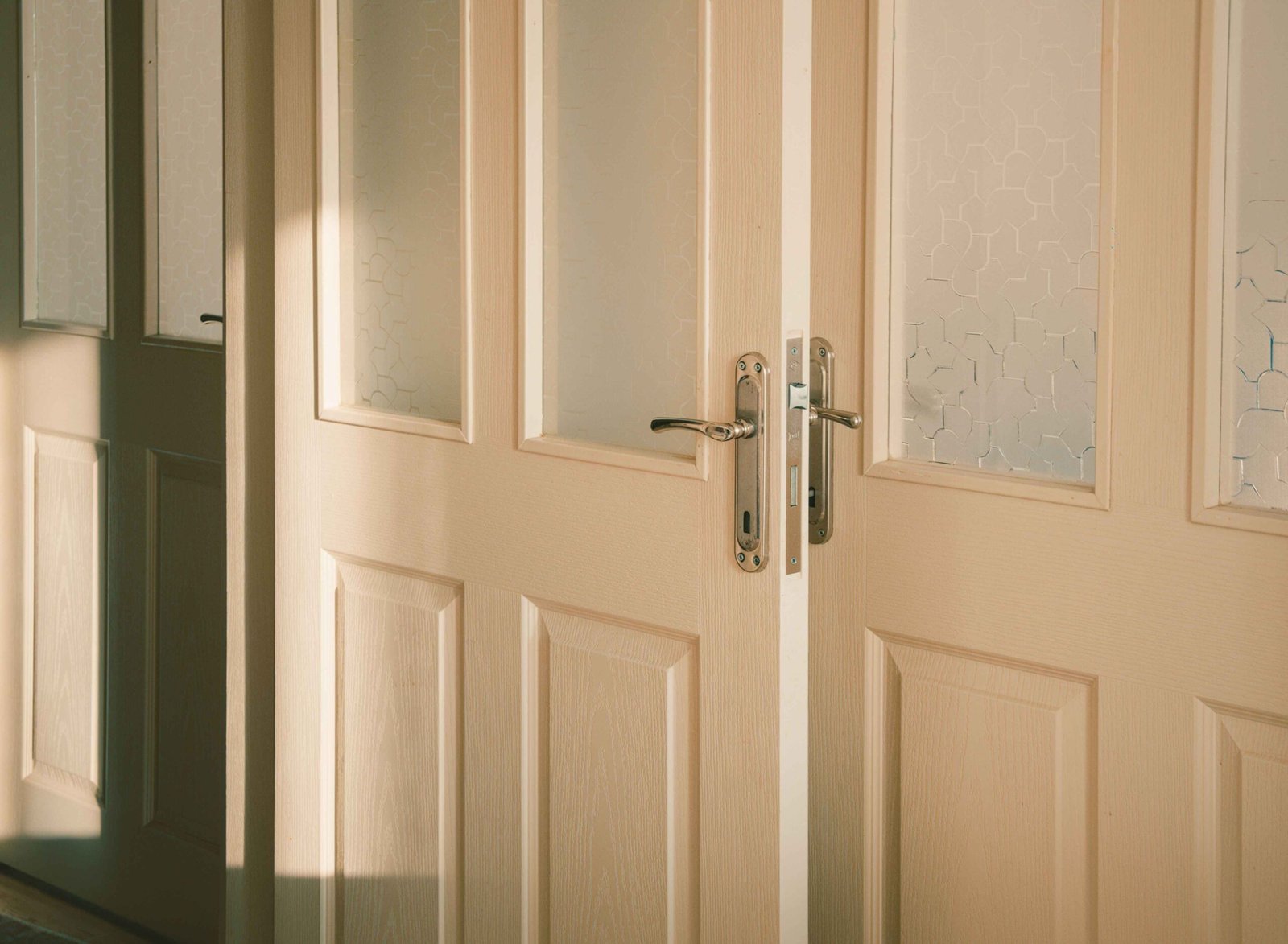
A door that sticks is more than an annoyance. You shoulder it open every morning, slam it to get it shut, and listen to it scrape the frame every time someone walks through. How to Fix a Sticky Door The good news is that most sticking doors can be repaired in under an hour with basic tools you probably already own.
This guide explains how to fix a sticky door properly, starting with finding the real cause and moving through every common situation: swollen wood, loose hinges, a bad door frame, fresh paint, stiff latches, jammed deadbolts and sliding doors that drag on their tracks. How to Fix a Sticky Door Follow the steps in order and you will usually solve the problem before you ever need to pick up a plane or call a carpenter.
Why Doors Stick in the First Place
Before you start sanding or planing, it helps to understand what is actually going wrong. If you fix the symptom without the cause, the door will start sticking again within weeks. How to Fix a Sticky Door The most common causes are:
- Humidity and seasonal swelling. Wood absorbs moisture and expands. Doors often stick in humid summers and loosen up again in dry winters.
- Loose or worn hinges. Screws back out of soft wood over time, letting the door sag so the top corner rubs the frame.
- Settling of the house. A shifting foundation can pull the door frame out of square, narrowing the gap on one side.
- Too many layers of paint. Each coat adds thickness to the door edge and the jamb until there is no clearance left.
- Dirt, grime and dried finish. Built-up residue on the edges and weatherstripping creates friction.
- Worn hardware. Latches, knobs, handles and deadbolts can seize from dust, rust or dried lubricant.
- Dirty or damaged tracks. On sliding and patio doors, debris and worn rollers cause drag.
Tools and Materials You May Need
You will not need every item below for every repair. Gather what fits your situation:
- Screwdriver or drill with a bit set
- Pencil and a sheet of carbon paper or a strip of chalk
- Wooden matchsticks or toothpicks, plus wood glue
- Longer 3-inch screws
- Sandpaper (80, 120 and 220 grit) and a sanding block
- Block plane and a chisel
- Hammer and wood shims or thin cardboard
- Paint or clear sealer and a brush
- Powdered graphite or a dry silicone lubricant
- White vinegar, a vacuum and an old toothbrush for tracks
- Dust mask and safety glasses
Safety note: If your home was built before 1978, old paint may contain lead. How to Fix a Sticky Door Do not dry-sand painted surfaces without testing first. Use a lead test kit and follow safe-work guidance if the result is positive.

Step 1: Find Exactly Where the Door Is Sticking
The first step in how to fix a sticky door is a good diagnosis. How to Fix a Sticky Door Open and close the door slowly and watch where it rubs. Then use one of these simple tests.
The paper test: Slide a sheet of paper between the door and the frame at several points around the edge. Wherever the paper grips or tears, the gap is too tight.
The chalk or carbon paper test: Rub chalk along the edge of the frame or slip carbon paper into the gap, then close the door. The marks left on the door show the exact high spots.
Check the gaps: A well-hung door has a gap of about 1/8 inch (3 mm) on the top and sides. How to Fix a Sticky Door If the gap is wide at the top of the latch side and tight at the bottom, or the other way round, you are probably dealing with a hinge problem.
Write down where the rubbing occurs. That tells you which of the fixes below to use.
How to Fix a Sticky Door by Tightening the Hinges
Loose hinges are the number one reason a door sags and sticks, and the fix takes five minutes.
- Open the door and check each hinge for loose screws. Tighten any that move.
- If a screw just spins, the hole is stripped. How to Fix a Sticky Door Remove the screw, dip a few toothpicks or matchsticks in wood glue, push them into the hole, and snap them off flush.
- Once the glue has set, drive the original screw back in. The new wood gives it something to grab.
- For extra strength, replace one screw in the top hinge with a 3-inch screw that reaches through the jamb into the wall stud. This pulls the whole door up and back into square.
Test the door. If it now swings freely, you are finished. If it still catches, continue to the next fix.
How to Adjust a Sticky Door with Hinge Shims
Sometimes the hinges are tight but the door still rubs. A tiny adjustment at the hinge can change the gap around the whole door.
- If the door rubs on the latch side near the top or on the hinge side near the bottom, the top hinge may be recessed too deep. How to Fix a Sticky Door Loosen the screws, slide a thin piece of cardboard behind the hinge leaf, and retighten. The door will shift slightly toward the latch side.
- If the door rubs on the hinge side, the hinge mortise may be too shallow. Remove the hinge and use a sharp chisel to deepen the recess by a hair so the hinge sits further in.
When you adjust a sticky door this way, change one hinge at a time and test after each change. Small tweaks of 1/16 inch are often enough.
How to Fix a Sticky Door Frame
If the hinges are fine but the door still sticks in the same spot, look at the frame. How to Fix a Sticky Door Over the years, a house shifts, and the opening can go out of square.
- Run a level along the sides of the frame to check that it is plumb.
- Look for gaps between the frame and the wall, which signal that the frame has pulled away.
- If the frame is loose, drive finishing nails or trim screws through the jamb and into the framing, then fill the holes.
- Check for water damage. Soft, swollen or discoloured wood at the bottom of the frame needs repair or replacement.
How to fix a sticky door frame in a minor case is simply to sand or plane the tight spot on the frame itself, as covered in the next sections. How to Fix a Sticky Door For a badly warped frame, a carpenter is the better option.
How to Fix a Sticky Door Jamb
The jamb is the vertical and horizontal wood that lines the opening, and it is often the real culprit. Paint buildup, swelling or a slightly bowed jamb can all grab the door edge.
- Mark the tight area with chalk or carbon paper as described earlier.
- Sand the jamb where the marks appear using 80-grit paper on a sanding block, then finish with 120 grit. Sand lightly and frequently check the fit.
- Scrape off excess paint with a sharp putty knife before sanding.
- Seal bare wood. Whenever you expose raw wood, paint or seal it right away. Unsealed wood soaks up moisture and will swell again.
If you can choose between sanding the jamb and trimming the door, sand the jamb first. It is easier to touch up and keeps the door’s size intact.
How to Fix a Sticky Door by Sanding or Planing the Edge
If the door still rubs after the hinge and jamb fixes, it is time to take a little wood off the door itself.
- Take the door off its hinges by tapping the hinge pins up and out. Have a helper support the weight.
- Lay the door on sawhorses with the sticking edge facing up.
- Use the pencil marks from your diagnosis as a guide.
- For small areas, sand with 80-grit paper on a sanding block, working with the grain.
- For larger areas, use a sharp block plane. How to Fix a Sticky Door Plane from the ends toward the middle to avoid splintering the corners. Remove only a thin shaving at a time.
- Ease the edges slightly with 120-grit paper and finish with 220 grit.
- Seal every raw edge. Coat the top and bottom edges as well as the sides with primer and paint or a clear sealer. The bottom edge is the most often forgotten and the most likely to absorb moisture.
Never remove more than you need. You can always take off more wood, but you cannot put it back.
How to Fix Sticky Door After Painting
Paint is a classic cause of a door that suddenly sticks. How to Fix a Sticky Door Even a thin coat adds thickness, and fresh paint that has not fully cured can behave like glue when the door touches the frame.
Here is how to fix a sticky door after painting:
- Wait for the paint to cure. Latex and oil paints feel dry within hours but can take several days to a few weeks to harden fully. If the door has been painted very recently, give it time before you sand.
- Open the door and let air circulate. Keep the door ajar and run a fan or dehumidifier to speed up curing.
- Lubricate the contact points. Rub a bar of paraffin wax, a candle or a little talcum powder along the edge so the paint does not bond to the jamb.
- Sand off the high spots once the paint is hard, then touch up with a thin coat.
- Remove old buildup. If many layers have piled up over the years, strip the jamb and door edge back to bare wood or a thin base coat.
How to Fix Sticky Painted Doors for Good
Fixing sticky painted doors permanently means stopping the paint from joining the door to the frame in the future.
- Use a high-quality, hard-curing enamel or a door and trim paint made for high-friction surfaces.
- Apply thin, even coats rather than one thick one.
- Paint the door, then leave it open until the finish is completely dry.
- Avoid painting in high humidity, since damp air slows curing and increases tackiness.
- Do not forget the top and bottom edges, which need sealing to block moisture.
A little patience here prevents the whole problem from returning every time you refresh the paint.
How to Fix a Sticky Door Latch
A latch that sticks makes a perfectly good door feel broken. You push the door shut and it bounces back, or it will not click into the strike plate.
Here is how to fix a sticky door latch:
- Check the strike plate alignment. If the latch hits the edge of the plate instead of sliding into the hole, the door and plate are misaligned. How to Fix a Sticky Door Loosen the plate, file the opening slightly larger, or move the plate and refill the old screw holes.
- Clean the latch bolt. Wipe the angled face with a rag and a little rubbing alcohol to remove grime and dried paint.
- Lubricate. Apply a small amount of powdered graphite or dry silicone spray to the latch. Avoid oil-based sprays, which attract dust and gum up over time.
- Tighten the latch screws on the door edge if the mechanism is loose.
- Test by hand. Depress the latch with a finger. If it does not spring back freely, the mechanism is worn and the latch should be replaced.
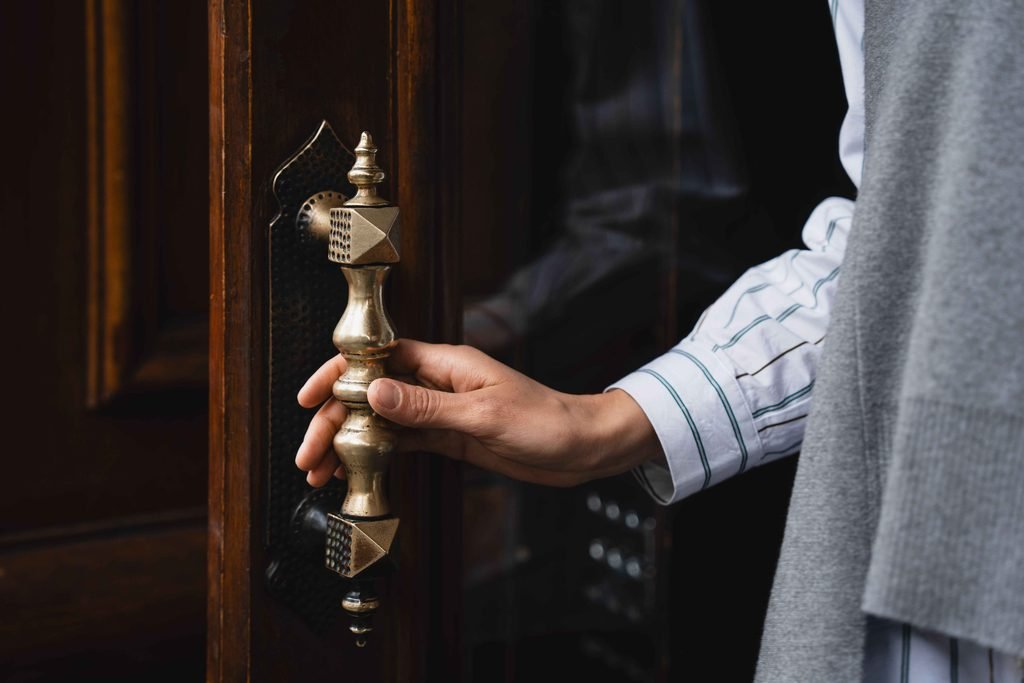
How to Fix a Sticky Door Handle or Knob
If the door is fine but the handle is stiff, the problem lies in the hardware.
How to fix a sticky door handle:
- Tighten the handle’s set screw and the mounting screws on both sides of the door.
- Remove the handle and clean the spindle with a rag.
- Apply a few puffs of graphite or a dry lubricant into the mechanism.
- Reassemble and test. A handle that still binds may have a bent spindle or worn internal parts.
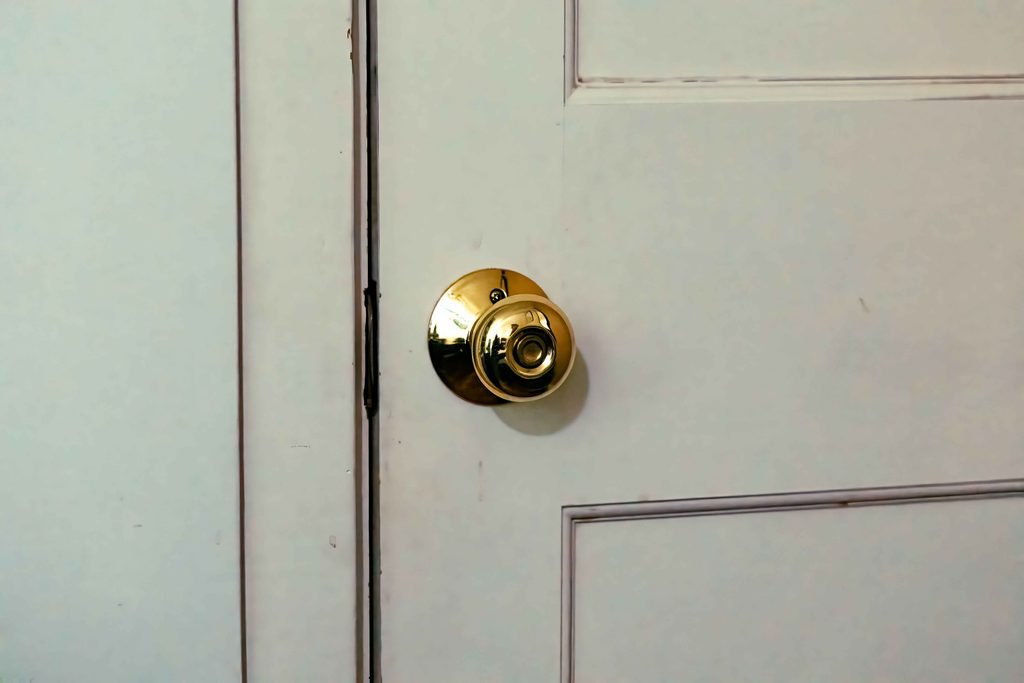
How to fix a sticky door knob:
- Unscrew the knob and remove the faceplate.
- Wipe away dirt and old grease.
- Lubricate the moving parts lightly.
- Make sure the two halves of the knob are not over-tightened, which can pinch the spindle and make the knob stiff.
How to fix a sticky door knob lock: Push-button and turn-button knob locks often stick because the internal spring is dirty. Spray a little dry lubricant into the button and the keyway, work the lock several times, and wipe away the excess. How to Fix a Sticky Door If it remains stiff, replace the lock set, which is usually inexpensive and quick.
How to Fix a Sticky Deadbolt and Deadbolt Lock
A deadbolt that fights you every time you turn the key is a security risk as well as a nuisance. Here is how to fix a sticky deadbolt.
- Check the alignment first. With the door open, turn the thumb latch to extend the bolt. If it moves smoothly, the lock is fine and the door and strike plate are misaligned. How to Fix a Sticky Door If it sticks even when the door is open, the problem is in the lock.
- Fix misalignment. Slightly enlarge the hole in the jamb with a chisel or drill, or adjust the strike plate so the bolt slides in without rubbing.
- Lubricate the lock. For how to fix a sticky deadbolt lock mechanism, spray dry graphite or a PTFE lubricant into the keyway, insert the key and work it back and forth.
- Clean the bolt. Wipe the bolt itself and apply a tiny amount of lubricant to the moving surface.
- Tighten the screws that hold the deadbolt body in the door.
If the deadbolt still sticks, the cylinder may be worn and need replacing.
How to Fix Key Sticking in Door Lock
A key that sticks in the lock, will not turn, or will not come out is a common complaint. Try these steps in order:
- Wiggle the key gently while applying slight turning pressure. Do not force it.
- Spray graphite powder or a dry lubricant into the keyway and work the key in and out.
- Check whether the key is worn or bent. A copy made from a worn original often fails. How to Fix a Sticky Door Try your spare or have a new key cut from the original.
- Clean debris from the keyway with compressed air.
- Avoid heavy oil or WD-40-style sprays as a long-term fix. They attract dust and can make the lock worse.
If you need to force the key every time, the pins inside the cylinder may be damaged. A locksmith can repair or rekey it.
How to Fix a Sticky Sliding Door
Sliding doors stick for different reasons than hinged doors. The usual suspects are dirt in the track, worn rollers and misaligned panels.
Here is how to fix a sticky sliding door:
- Clean the track. Vacuum out debris, then scrub the track with an old toothbrush and a mix of warm water and white vinegar. Dry it completely.
- Lubricate the track. Apply a silicone-based spray. Do not use oil, which collects grit.
- Adjust the rollers. Most sliding doors have adjustment screws at the bottom corners of the door. How to Fix a Sticky Door Turn them with a screwdriver to raise or lower the door until it glides evenly.
- Inspect the rollers. If they are flat, cracked or corroded, replace them. Replacement roller kits are inexpensive and widely available.
- Check for bent tracks. Use a block of wood and a hammer to gently tap a dented track back into shape.
How to Fix a Sticky Sliding Glass Door
A large glass panel is heavy, so the same repairs apply but with extra care.
- Work with a helper when lifting the door out of the track.
- Clean the bottom rails and the track thoroughly while the door is out.
- Apply silicone lubricant to the track and the rollers.
- Reinstall the door and adjust the roller screws so the panel hangs level and the gap with the frame is even.
- Check the weatherstripping. Worn, swollen or sticky seals can drag against the frame and are cheap to replace.
This is how to fix a sticky sliding glass door in most households, and it usually takes under thirty minutes.
How to Fix a Sticky Patio Door
Patio doors, whether sliding or hinged, face the weather and collect dirt, pollen and moisture. How to Fix a Sticky Door To fix a sticky patio door:
- Clean and lubricate the track and rollers, as above.
- Adjust the roller height until the door sits evenly and does not rub the frame.
- Inspect the lock. Patio door latches often seize from dust. Spray a dry lubricant and work the latch.
- Check for foundation shifting. If the whole frame is racked out of square, the door will keep binding and you may need a professional.
- Replace worn weatherstripping to stop swelling and sticking.
How to Fix a Sticky Shower Door
A sticky shower door is usually caused by soap scum, mineral deposits and dried-out rollers or hinges.
- Wipe the track and rollers with white vinegar to dissolve hard water buildup.
- Remove the door from its track if you can and clean all sides.
- Apply a silicone lubricant to the track and rollers. Do not use petroleum products, which can damage rubber seals.
- Tighten loose screws on hinges or the roller hardware.
- Replace cracked rollers or worn gaskets.
Wipe the track down regularly to prevent buildup from returning.
How to Fix Loud Sticky Doors
A door that sticks often squeaks and groans too. How to Fix a Sticky Door Fixing loud sticky doors is usually a matter of friction relief.
- Locate the noise. Open and close the door slowly to find whether it comes from the hinges, latch or edge rubbing.
- For squeaky hinges, remove the pin one at a time, wipe it clean and coat it with petroleum jelly or a few drops of light oil, then replace it.
- For edge friction, rub a bar of soap or a candle along the contact area.
- For a stiff latch, use graphite or dry lubricant.
- Tighten any loose screws, which can cause rattling.
Quick Reference: Sticky Door Problems and Fixes
| Problem | Likely Cause | Best Fix | Difficulty |
| Door rubs at top corner on the latch side | Loose or sagging hinges | Tighten hinge screws, add a 3-inch screw | Easy |
| Door sticks in humid weather | Swollen wood | Sand or plane the edge, then seal all sides | Moderate |
| Door sticks after painting | Wet or thick paint | Wait for cure, lubricate edge, sand high spots | Easy |
| Door will not latch | Strike plate misaligned | Adjust or file the strike plate | Easy |
| Handle or knob feels stiff | Dirt or dried lubricant | Clean and apply graphite | Easy |
| Deadbolt hard to turn | Misaligned bolt or dirty lock | Check alignment, lubricate | Easy |
| Key sticks in lock | Worn key or dirty cylinder | Use dry lubricant, try spare key | Easy |
| Sliding door drags | Dirty track or worn rollers | Clean, lubricate, adjust or replace rollers | Easy |
| Shower door sticks | Soap scum and mineral buildup | Vinegar clean and silicone lubricant | Easy |
| Door frame out of square | House settling | Check plumb, secure frame, or call a pro | Hard |
How to Keep Doors From Sticking Again
Once you have fixed the problem, a few habits keep it from coming back:
- Seal all six surfaces of wood doors. That means both faces, the top, the bottom and both side edges.
- Control indoor humidity. Aim for 30 to 50 percent. A dehumidifier in damp seasons and a humidifier in dry ones helps.
- Check hinge screws once a year. A quick tightening prevents sagging before it starts.
- Use thin coats of paint and let each one cure fully before closing the door.
- Clean and lubricate hardware once or twice a year with graphite or dry silicone.
- Keep tracks clean on sliding doors, patio doors and shower doors.
When to Call a Professional
Most fixes are suitable for beginners, but some situations call for an expert:
- The frame is visibly warped, cracked or racked out of square.
- You see signs of water damage, rot or mold around the door.
- The door has dropped dramatically in a short time, which can signal a foundation problem.
- The lock cylinder is damaged and needs rekeying or replacement.
- A heavy glass sliding door has bent tracks or broken rollers.
A carpenter or locksmith can solve these problems quickly and safely.
Frequently Asked Questions About How to Fix a Sticky Door
How do I fix a sticky door quickly?
Start with the simplest cause. Tighten the hinge screws, then rub a candle or bar of soap along the edge where the door rubs. If it still sticks, sand the tight spot lightly and seal the bare wood.
How do you fix a sticky door that only sticks in summer?
Summer humidity makes wood swell. Lower indoor moisture with a dehumidifier, make sure all door edges are sealed with paint or sealer, and sand only small amounts. Avoid removing too much wood, because the door may become loose in winter.
Can I use WD-40 to fix a sticky door?
It can help temporarily on hinges, but it attracts dust and is not ideal for locks, latches or tracks. How to Fix a Sticky Door Graphite powder, dry silicone or a PTFE lubricant is better for long-term performance.
How do I fix a door that sticks after painting?
Give the paint time to cure fully, keep the door open for airflow, lubricate the edge with wax, and sand any high spots once the paint is hard. Use thin coats next time.
Should I sand or plane a sticky door?
Use sandpaper for minor binding and a plane for larger areas. Always remove wood gradually and seal the raw edges afterward.
Final Thoughts on How to Fix a Sticky Door
Learning how to fix a sticky door saves you money, protects your home and makes everyday life smoother. The key is to diagnose before you act. How to Fix a Sticky Door Check the hinges first, then the frame and jamb, and only then sand or plane the door itself. Treat hardware problems with the right dry lubricant, clean and adjust tracks on sliding doors, and always seal bare wood so moisture does not undo your work.
With a pencil, a screwdriver and a little patience, most sticking wood doors, painted doors, deadbolts, latches, handles, knobs, patio doors and shower doors can be fixed in an afternoon. Work in small steps, test often, and call a professional only when the frame, foundation or lock cylinder is beyond a simple repair. Your door will swing freely again, and it should stay that way for years.