
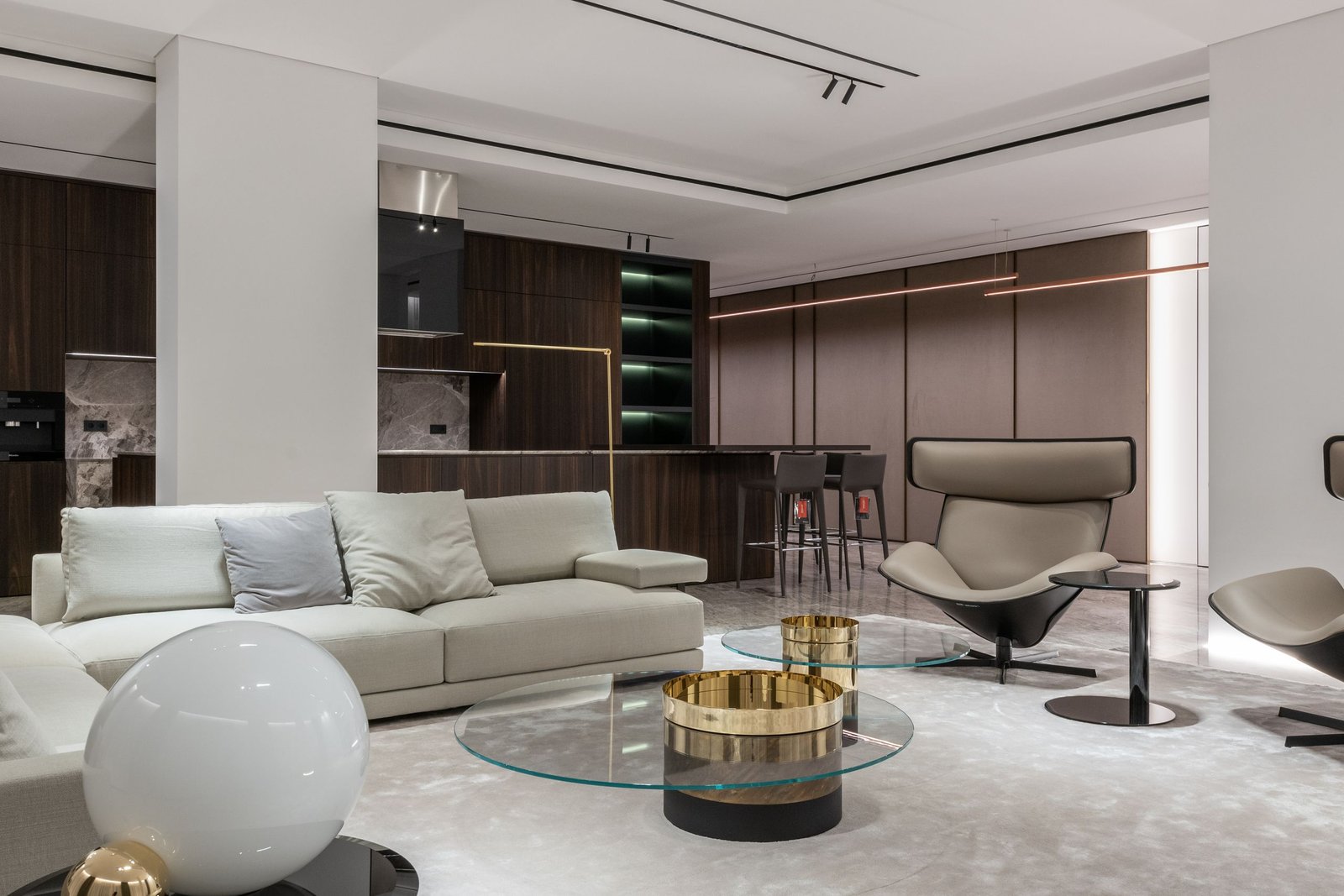
Contemporary interior design is a style centered on what feels current, comfortable, functional, and visually relevant today. Unlike design styles tied to a specific historical period, contemporary interiors can change as new materials, colors, furniture shapes, technologies, and lifestyle preferences emerge.
At its core, contemporary interior design combines clean lines, uncluttered spaces, thoughtful furniture, neutral foundations, natural materials, and carefully chosen accents. The result is a home that feels sophisticated without necessarily looking formal or overly decorated.
One reason contemporary design can be confusing is that the word “contemporary” is often used interchangeably with “modern.” In interior design, however, the two terms have different meanings. Modern design generally refers to a particular design movement that developed during the 20th century, while contemporary design describes what is current and evolving.
Understanding that distinction makes it much easier to recognize contemporary interiors and create the look in your own home.
What Is Contemporary Interior Design?
Contemporary interior design is an evolving approach to decorating and furnishing interiors according to current tastes, lifestyles, and design trends.
The style usually emphasizes simplicity, functionality, clean architectural lines, open visual space, and a balanced combination of materials and textures. It avoids excessive ornamentation while still allowing personality through artwork, lighting, furniture, accessories, and carefully selected colors.
A contemporary room may include a neutral sofa, natural wood, stone surfaces, sculptural lighting, soft textiles, and a few distinctive decorative objects. The overall appearance is intentional rather than crowded.
The important thing to remember is that contemporary design does not follow one permanent formula. What looks contemporary today may change in the future.
That flexibility is actually one of its greatest strengths.
How Contemporary Interior Design Has Evolved
Contemporary design developed from a broader shift toward interiors that prioritize simplicity, practicality, and visual clarity.
As homes and lifestyles changed, designers began combining ideas from several design movements rather than strictly following one historical style. Elements associated with modernism, minimalism, Scandinavian interiors, industrial design, and other influences can appear in contemporary spaces.
This makes contemporary design more flexible than many traditional decorating styles.
For example, one contemporary home might use warm wood and soft neutral fabrics, while another might feature dramatic stone, black accents, and sculptural furniture. Both can still feel contemporary if the overall design reflects current preferences and maintains a cohesive, intentional appearance.
Contemporary interiors also respond to changes in how people use their homes. Open-plan living, flexible work areas, improved storage, wellness-focused spaces, and multifunctional furniture can all influence contemporary residential design.
In other words, contemporary design is less about following a strict rulebook and more about creating a home that feels appropriate for the way people live now.
Key Characteristics of Contemporary Interior Design
Although contemporary interiors can vary considerably, several characteristics appear repeatedly.
Clean Lines and Simple Forms
Clean lines are one of the easiest ways to recognize contemporary interior design.
Furniture and architectural features often have straightforward silhouettes instead of elaborate curves, carvings, or decorative details. Cabinets may have flat fronts, sofas may feature simple profiles, and tables may use geometric shapes.
This does not mean everything needs to be perfectly straight or rectangular. Sculptural curves can also work beautifully in contemporary spaces when they are used intentionally.
The goal is visual clarity.
Neutral and Refined Color Palettes
Contemporary interiors often begin with neutral colors such as white, beige, cream, gray, taupe, brown, and black.
These colors create a calm foundation that allows furniture, materials, artwork, and architectural details to become more noticeable.
However, contemporary design does not mean a room must be completely neutral.
Muted greens, blues, terracotta, warm browns, and other sophisticated colors can be introduced through furniture, artwork, rugs, curtains, or accessories.
The key is balance rather than eliminating color.
Uncluttered Spaces
Contemporary design generally avoids visual clutter.
Instead of filling every shelf and surface with decorative objects, the style encourages homeowners to choose fewer pieces and give each one enough space to stand out.
This approach can make rooms feel larger and more organized.
It also places greater importance on storage. Built-in cabinets, concealed storage, multifunctional furniture, and organized shelving can help maintain the clean appearance associated with contemporary interiors.
Mixed Materials and Textures
Contemporary rooms rarely depend on one material.
Wood, stone, glass, metal, fabric, leather, concrete, and natural fibers can be combined to create visual interest.
For example, a room with a neutral color scheme could include a smooth stone coffee table, textured upholstery, warm wood flooring, brushed metal lighting, and a soft area rug.
Because the colors may remain relatively restrained, differences in texture become especially important.
Statement Pieces
A contemporary room does not need dozens of decorations to feel interesting.
One strong piece can often have a greater impact than many small accessories.
This could be an oversized artwork, sculptural light fixture, distinctive chair, unusual coffee table, architectural fireplace, or carefully selected piece of furniture.
The idea is to create visual interest without overwhelming the room.
Functional Design
Contemporary interior design places considerable importance on how a space works.
Furniture should be comfortable and appropriately scaled. Walkways should remain practical. Storage should support everyday routines. Lighting should serve different activities.
A beautiful room that is difficult to use does not fully achieve the contemporary approach.
Function and appearance should work together.
Contemporary vs. Modern Interior Design
One of the most common questions about contemporary interiors is how they differ from modern design.
The simplest distinction is that modern design refers to a historical design movement, while contemporary design refers to what is current and evolving.
| Contemporary Interior Design | Modern Interior Design |
| Changes with current trends | Connected to a defined historical movement |
| Continuously evolves | Primarily associated with 20th-century modernism |
| Can borrow from several styles | Has more recognizable historical principles |
| Often mixes current materials and influences | Commonly emphasizes modernist simplicity |
| Flexible and adaptable | More historically defined |
The terms can overlap visually, which is why they are frequently confused.
A room can contain modern-inspired furniture and still be contemporary if the overall composition reflects current design preferences.
What Colors Work in Contemporary Interior Design?
Color selection depends on the atmosphere you want to create, but contemporary interiors often benefit from a restrained base palette.
Warm Neutrals
Cream, beige, taupe, sand, and warm gray can make contemporary interiors feel softer and more inviting.
Warm neutrals are especially useful when you want a clean room without making it feel cold.
Earthy Colors
Earth-inspired colors can add depth while maintaining a sophisticated appearance.
Muted green, clay, terracotta, brown, and soft olive can work particularly well with natural wood and stone.
Dark Accents
Black, charcoal, and deep brown can create contrast.
You might introduce darker tones through lighting fixtures, window frames, furniture, cabinetry, artwork, or smaller decorative elements.
Subtle Blues and Greens
Muted blues and greens can provide color without making a room feel visually overwhelming.
They work well when used selectively against neutral walls and natural materials.
The best contemporary color palette usually has a clear foundation rather than many unrelated colors competing for attention.
Contemporary Furniture: What Should You Look For?
Furniture is an important part of contemporary interior design because its shape can strongly influence the character of a room.
Look for pieces with:
- Clean silhouettes
- Comfortable proportions
- Simple detailing
- Quality-looking materials
- Practical functionality
- A strong but not overly decorative presence
A contemporary sofa, for example, may have a simple shape but use soft upholstery to keep the room comfortable.
Similarly, a dining table might have a straightforward design while relying on natural wood grain or an interesting base to create visual character.
You do not need to replace every piece of furniture to make a room more contemporary.
Sometimes changing one or two major pieces and simplifying the surrounding accessories can have a significant effect.
Materials and Textures in Contemporary Interiors
Materials help prevent a contemporary room from looking flat.
Wood
Natural wood can add warmth to a space dominated by neutral colors and clean lines.
It can appear in flooring, furniture, cabinetry, wall details, or ceiling features.
Stone
Stone can introduce a sense of permanence and texture.
Marble, limestone, travertine, and other stone surfaces can be used for countertops, fireplaces, floors, tables, or accent areas.
Glass
Glass helps maintain a sense of openness.
It can appear in coffee tables, doors, partitions, lighting, or decorative features.
Metal
Metal introduces contrast and structure.
Depending on the finish, it can create a softer, warmer, industrial, or more dramatic effect.
Textiles
Textiles are essential for comfort.
Rugs, curtains, cushions, upholstered furniture, and blankets can introduce softness and prevent a contemporary room from feeling too rigid.
The most successful interiors usually balance hard and soft surfaces.
How to Create a Contemporary Interior Design Look
Creating a contemporary home does not necessarily require a complete renovation.
Start by looking at the room as a whole rather than buying individual decorative items.
1. Simplify the Space
Remove unnecessary objects and identify anything that makes the room feel visually crowded.
Contemporary design benefits from breathing room.
2. Choose a Clear Color Foundation
Select a small group of colors that will guide the room.
For example, you might combine warm white, natural wood, soft beige, and charcoal.
3. Focus on Furniture Scale
Large rooms can often handle larger furniture, while smaller spaces require more careful proportions.
Avoid choosing furniture simply because you like its appearance. Consider how it fits within the room and how people will move around it.
4. Add Different Textures
If your colors are simple, use texture to create interest.
Combine smooth surfaces with woven fabrics, natural wood, stone, glass, or textured upholstery.
5. Improve Lighting
Lighting can dramatically change the appearance of a contemporary interior.
Use a combination of general lighting, task lighting, and accent lighting where appropriate.
A sculptural pendant or contemporary floor lamp can also function as a decorative feature.
6. Introduce Personality
A contemporary home should not feel like a showroom.
Artwork, books, plants, personal objects, and meaningful accessories can make the room feel lived-in.
The goal is not to eliminate personality but to present it intentionally.
Contemporary Living Room Ideas
The living room is one of the easiest spaces in which to apply contemporary design principles.
Start with a comfortable sofa in a neutral or subtly colored fabric. Add a simple coffee table, an appropriately sized rug, and lighting that creates layers.
Instead of decorating every wall, consider using one large artwork or another strong focal point.
Natural materials can also help soften the room. Wood furniture, stone surfaces, woven textiles, and plants can create warmth against a neutral background.
Keep circulation areas clear so the room remains comfortable for everyday use.
Contemporary Bedroom Ideas
A contemporary bedroom should feel calm rather than overly decorated.
Begin with a simple bed frame and restrained bedding. Neutral walls can provide a peaceful foundation, while upholstered furniture and textured fabrics add softness.
Bedside tables with simple shapes can reinforce the design.
Lighting is particularly important in bedrooms. Instead of relying only on a ceiling fixture, consider bedside lamps, wall lights, or other sources that provide softer illumination.
Storage should also be carefully considered because visible clutter can quickly undermine the calm appearance of a contemporary bedroom.
Contemporary Kitchen Ideas
Contemporary kitchens often combine streamlined cabinetry with practical surfaces and carefully selected materials.
Flat-front cabinets, simple hardware, stone surfaces, integrated appliances, and understated lighting can all contribute to the style.
However, the kitchen does not have to look sterile.
Wood cabinetry, warm flooring, textured backsplash materials, or natural decorative elements can introduce warmth.
The strongest contemporary kitchens balance efficiency with visual simplicity.
Contemporary Bathroom Ideas
In a contemporary bathroom, clean surfaces and thoughtful material choices can create a sophisticated atmosphere.
Large-format tiles, simple vanities, frameless shower enclosures, modern lighting, and restrained hardware can support the look.
Natural materials and warm colors can prevent the bathroom from feeling overly clinical.
Storage is also important. Keeping countertops relatively clear helps maintain the uncluttered appearance associated with contemporary design.
Contemporary Dining Room Ideas
A contemporary dining room does not need elaborate decoration.
A well-proportioned dining table can serve as the primary focal point. Pair it with chairs that complement the table without necessarily matching it perfectly.
A pendant light positioned above the table can provide both practical illumination and visual interest.
Artwork, a rug, or a simple centerpiece can complete the room without creating unnecessary clutter.
How to Make Contemporary Interiors Feel Warm
One criticism sometimes directed at contemporary design is that it can feel cold or impersonal.
That usually happens when simplicity is taken too far.
The solution is not to abandon contemporary principles but to introduce warmth strategically.
Use natural wood, comfortable upholstery, textured rugs, soft curtains, warm lighting, plants, artwork, and personal objects.
Color temperature also matters. Warm whites and earthy neutrals can feel significantly more welcoming than an interior dominated by stark white and cool gray.
Think of contemporary design as a framework rather than a restriction.
Common Contemporary Interior Design Mistakes
Making Everything Gray
Gray can be useful, but relying on it for every surface can make a room feel flat.
Introduce warmth through wood, textiles, artwork, plants, or other colors.
Removing Too Much Personality
Minimal visual clutter does not mean an empty or personality-free room.
Your home should still reflect the people who live there.
Buying Furniture Without Considering Scale
A beautiful sofa can look wrong if it overwhelms a small room.
Always consider proportions before making major furniture purchases.
Mixing Too Many Styles
Contemporary design can borrow influences from different styles, but too many unrelated elements can make the room feel disconnected.
Choose a clear visual direction and repeat important materials, colors, or shapes.
Forgetting Function
A room should work for everyday life.
Do not sacrifice comfortable seating, storage, lighting, or practical circulation simply to achieve a particular appearance.
Is Contemporary Interior Design Right for You?
Contemporary interior design may be a good fit if you enjoy clean spaces but do not want a rigid decorating style.
It can work particularly well for people who:
- Prefer uncluttered rooms
- Like neutral or restrained colors
- Appreciate clean architectural lines
- Want a flexible decorating approach
- Enjoy mixing natural and modern materials
- Prefer function alongside aesthetics
- Want their interiors to evolve over time
It may be less suitable if you strongly prefer highly traditional, ornate, rustic, or historically specific interiors.
Even then, contemporary elements can often be incorporated selectively.
How Contemporary Design Differs From Minimalism
Contemporary design and minimalism can look similar, but they are not identical.
Minimalism generally places stronger emphasis on reducing possessions, decoration, and visual elements.
Contemporary design can be minimal, but it can also include artwork, decorative objects, layered textures, expressive furniture, and richer materials.
A contemporary room therefore does not have to be almost empty.
The objective is intentionality.
How to Make a Room More Contemporary Without Starting Over
You do not necessarily need to renovate an entire room.
Try making changes in stages.
First, remove items that no longer serve a purpose. Then assess the major furniture pieces.
Next, introduce a consistent color palette and improve lighting.
After that, add texture through rugs, curtains, cushions, and upholstery.
Finally, choose a small number of decorative pieces that give the room personality.
This approach can create a more cohesive result than buying many new accessories at once.
Frequently Asked Questions About Contemporary Interior Design
What is contemporary interior design?
Contemporary interior design is an evolving style that reflects current preferences in architecture, furniture, materials, colors, and lifestyle. It commonly emphasizes clean lines, functionality, uncluttered spaces, balanced colors, and a mixture of materials and textures.
What is the difference between modern and contemporary interior design?
Modern design refers primarily to a historical design movement, particularly the modernist movement of the 20th century. Contemporary design refers to what is current and continues to evolve over time.
What colors are common in contemporary interior design?
Neutral colors such as white, beige, cream, taupe, gray, brown, and black are common. Contemporary rooms can also use muted greens, blues, earthy tones, and other carefully selected accent colors.
Can contemporary interior design be warm and cozy?
Yes. Natural wood, soft textiles, warm lighting, rugs, plants, artwork, and earthy colors can make a contemporary interior feel comfortable and inviting.
Does contemporary design mean minimalist?
Not necessarily. Contemporary interiors often share some minimalist characteristics, such as clean lines and reduced clutter, but contemporary design can include more decorative elements, textures, artwork, and personal objects.
Is contemporary interior design expensive?
It does not have to be. The style depends more on proportion, organization, color, materials, and intentional choices than on buying expensive furniture. A thoughtfully arranged room can feel contemporary at different budget levels.
Can I mix contemporary design with other styles?
Yes. Contemporary interiors can incorporate elements from styles such as modern, Scandinavian, industrial, or traditional design. The key is to create enough consistency that the room still feels cohesive.
How can I make my living room contemporary?
Start with a simple furniture arrangement, reduce unnecessary clutter, establish a restrained color palette, add varied textures, improve lighting, and introduce one or two strong focal points such as artwork or a distinctive light fixture.
Final Thoughts
So, what is contemporary interior design?
It is an approach to interior design that reflects the present while remaining flexible enough to change with the times. Clean lines, practical furniture, restrained colors, natural materials, layered textures, thoughtful lighting, and uncluttered spaces are common characteristics, but there is no single formula that defines every contemporary home.
The most important idea is intentionality.
A contemporary interior should feel current without becoming dependent on a short-lived trend. It should be visually clean without feeling empty, sophisticated without being uncomfortable, and organized without losing personality.
That balance is what makes contemporary interior design such a versatile choice for modern homes.
