
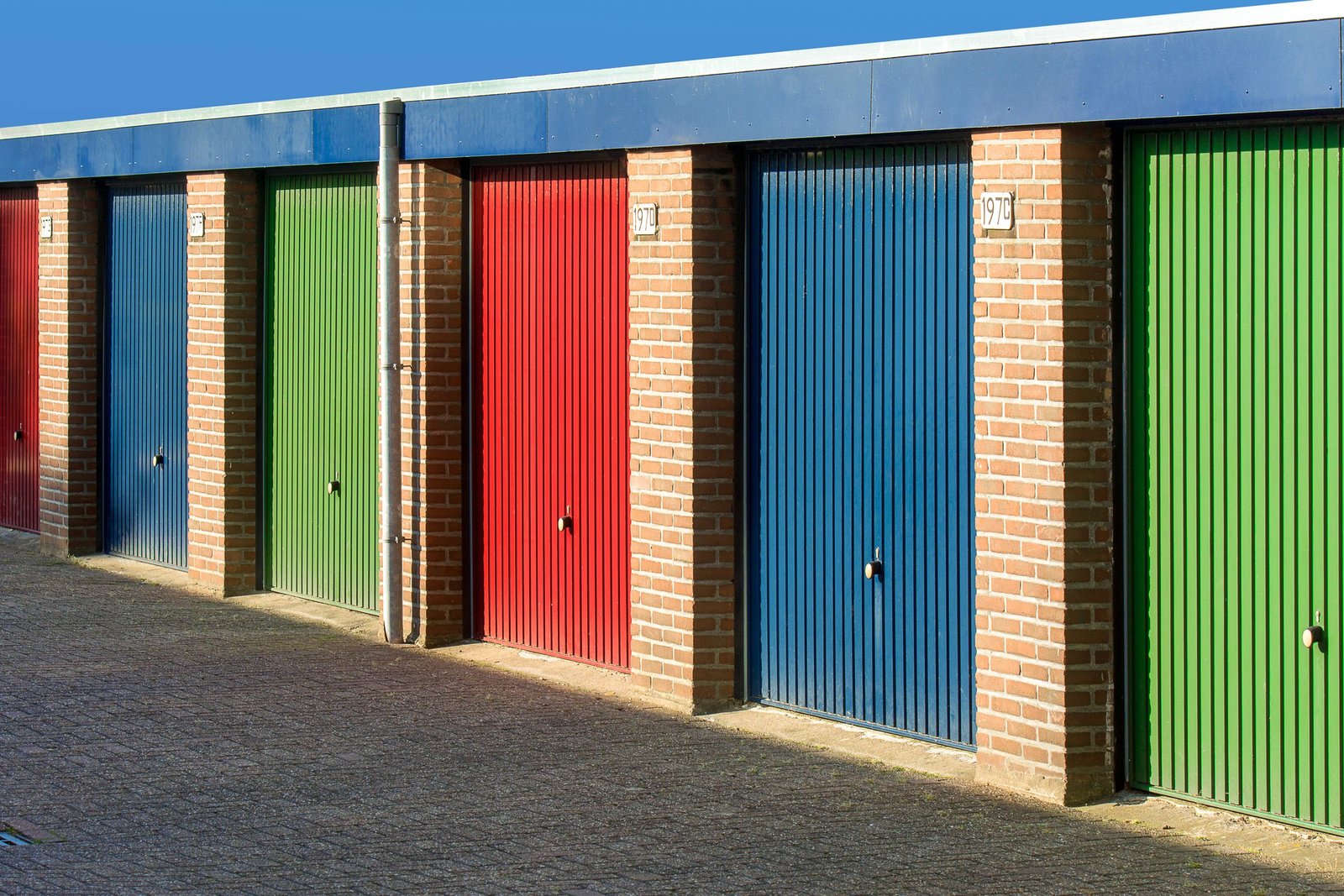
A garage provides convenient access to your home, protects vehicles from the weather, and offers additional storage space. However, it can also become a security weakness if the garage door, entry points, or access controls are not properly maintained. How to Secure Garage Door Many homeowners focus on their front doors and windows but overlook the security measures needed to protect their garages.
Learning how to secure garage door access is an important part of improving overall home security. A garage may contain vehicles, power tools, bicycles, sports equipment, and other valuable belongings. In homes with an attached garage, an unsecured door can also create a potential route into the main living area.
The good news is that improving garage security does not always require an expensive renovation. Simple habits, regular maintenance, better lighting, and appropriate locking systems can help reduce common security risks. More advanced options, such as smart garage door openers and security cameras, can provide additional monitoring and control.
This guide explains 15 practical garage security tips, how to choose suitable protective measures, and which safety precautions homeowners should keep in mind.
Why Learning How to Secure Garage Door Access Matters
A garage door is often one of the largest moving entry points on a residential property. Its size, operating mechanism, and connection to the rest of the home make it important to include in a household security plan.
Several factors can make a garage more vulnerable to unauthorized access.
Frequent daily use: Family members may open and close the garage door several times a day. During busy mornings or evenings, someone might accidentally leave it open.
Unsecured access between the garage and house: An attached garage may have an interior door that leads directly into the home. If that door is left unlocked, garage security becomes even more important.
Visible valuables: Tools, bicycles, packages, and other belongings may attract unwanted attention when they can be seen through windows or an open garage door.
Unprotected side entrances: A garage may have a separate pedestrian door or windows that provide additional access points.
Outdated access systems: Older garage door openers, damaged locks, and poorly maintained doors may not provide the level of protection homeowners expect.
Improving these areas creates several layers of security. Rather than depending on one lock or device, homeowners can combine physical barriers, responsible access habits, lighting, and monitoring.
15 Garage Security Tips Every Homeowner Should Know
1. Close the Garage Door Whenever It Is Not in Use
One of the simplest ways to improve garage security is to close the door immediately after entering or leaving. How to Secure Garage Door An open garage gives passersby a direct view of stored belongings and may provide easy access to the property.
It is especially important to avoid leaving the garage open while working elsewhere in the house or yard. How to Secure Garage Door Even a short period of inattention can leave tools, bicycles, and other items exposed.
Develop a consistent routine. How to Secure Garage Door After parking, wait for the door to close completely before walking into the house. When leaving, confirm that the door has shut before driving away.
A garage door monitor or compatible smart opener can provide an additional reminder if the door remains open. How to Secure Garage Door Some systems allow homeowners to check its status through a mobile application.
However, technology should support good habits rather than replace them. Regularly confirming that the door is closed remains an effective basic precaution.
2. Secure the Door Between the Garage and Your Home
For houses with an attached garage, the interior entry door deserves particular attention. How to Secure Garage Door This door separates the garage from the living space, so it should be treated as an important security boundary.
Keep it locked whenever it is not being used, especially when nobody is home. Consider a quality deadbolt or other suitable locking hardware that is compatible with the door and its frame.
The door frame and strike plate also matter. How to Secure Garage Door A strong lock cannot provide its intended protection if the surrounding components are loose, damaged, or poorly installed.
Check the door periodically for gaps, loose hinges, damaged hardware, and signs of wear. If the door needs replacement, How to Secure Garage Door choose a suitable product that meets applicable local building and fire-safety requirements.
Do not remove a required fire-rated door or make modifications that compromise its protective function. The garage-to-house doorway may be subject to specific safety requirements, depending on local codes and the home’s construction.
3. Inspect the Garage Door and Its Components Regularly
A garage door depends on several connected components, including panels, tracks, rollers, hinges, springs, cables, and an opener. How to Secure Garage Door Damage or deterioration can affect both its operation and its security.
Inspect the visible parts periodically. How to Secure Garage Door Look for damaged panels, loose hardware, unusual gaps, misalignment, and signs that the door is not closing evenly.
Pay attention to changes in operation. A door that suddenly becomes noisy, moves unevenly, reverses unexpectedly, or struggles to close may need professional attention.
A properly functioning door is easier to monitor and less likely to remain partly open because of a mechanical problem.
Some maintenance tasks, such as cleaning the exterior or checking for visible damage, can be completed by homeowners. How to Secure Garage Door However, torsion springs, lifting cables, and other components under high tension can cause serious injuries if handled incorrectly.
Do not attempt to adjust or repair these components yourself. How to Secure Garage Door Contact a qualified garage door technician for mechanical problems that involve springs, cables, tracks, or the door’s lifting system.
4. Protect Garage Door Remotes and Access Devices
Garage door remotes provide convenience, How to Secure Garage Door but they should be protected like house keys. A remote left in an unlocked vehicle or placed where visitors can easily access it may create an unnecessary security risk.
Avoid leaving a garage remote visible inside a parked vehicle, particularly when the vehicle is outside overnight. Keep spare remotes in a secure location inside the home.
If a remote is lost, stolen, or no longer needed, consult the opener manufacturer’s instructions for disabling or removing that device from the system. How to Secure Garage Door Depending on the model, it may be possible to erase stored remote controls and reprogram only the devices you still use.
Take similar precautions with wireless keypads and smart-home access accounts. Avoid sharing access codes casually, and remove temporary access when it is no longer necessary.
These measures are especially useful for households where several family members, cleaners, contractors, or other visitors may need garage access at different times.
5. Upgrade an Outdated Garage Door Opener When Necessary
An older garage door opener may lack features available in newer systems. Depending on its age and model, it may offer limited access control, monitoring, or protection against unauthorized remote signals.
When considering an upgrade, look for a model with security features appropriate for your needs. How to Secure Garage Door These may include rolling-code technology, which changes the access code used by compatible remotes, as well as door-status monitoring and controlled remote access.
Modern openers may also offer automatic lighting, smartphone notifications, and compatibility with other home security devices.
Before purchasing a replacement, confirm that the opener is compatible with your garage door’s weight, type, and operating mechanism. Professional installation may be appropriate when electrical connections, door balance, or safety systems are involved.
An expensive opener is not automatically the best option. Focus on reliable operation, suitable security features, manufacturer support, and compatibility with the existing door.
6. Review Garage Door Codes and Access Permissions
Wireless keypads and smart garage door systems can make everyday access easier, but poor access management may weaken security.
If your system uses a keypad code, avoid obvious combinations based on repeated numbers or easily guessed personal information. How to Secure Garage Door Follow the manufacturer’s instructions when changing the code, and share it only with people who genuinely need access.
Review who has permission to operate the door. How to Secure Garage Door If a household member moves out or a temporary arrangement ends, remove access that is no longer required.
For smart systems, secure the associated account with a strong, unique password. Enable multifactor authentication when the service offers it, and keep the application and connected devices updated.
Avoid sharing account credentials among multiple people when the system supports separate user accounts. How to Secure Garage Door Individual permissions can make it easier to manage access and identify which users can control the door.
If you suspect unauthorized access, consult the manufacturer’s guidance for resetting credentials, removing devices, and reviewing account permissions.
7. Improve Lighting Around the Garage
Good exterior lighting can improve visibility around garage doors, side entrances, and nearby pathways. It can also make it easier for residents to notice unusual activity.
Consider placing outdoor lights near the main garage door, pedestrian entrances, and darker areas along the garage walls. Motion-activated lighting can be useful where continuous lighting is unnecessary.
Choose fixtures designed for outdoor conditions and install them according to the manufacturer’s instructions. Position lights so they illuminate important areas without shining directly into neighbors’ windows or creating glare for drivers.
Lighting works best when combined with other security measures. A well-lit garage is not automatically protected against unauthorized access, but better visibility can support surveillance and help residents move safely around the property at night.
Check the lights regularly to make sure bulbs, sensors, and controls are functioning correctly.
8. Consider Security Cameras or a Video Doorbell
Security cameras can help homeowners monitor the garage and the surrounding property. How to Secure Garage Door Depending on their placement and capabilities, they may record activity near the main door, driveway, or a separate side entrance.
Before choosing a camera, consider the area you want to monitor, the available power supply, internet connectivity, night visibility, and storage options. Some cameras record continuously, while others rely on motion detection.
Position cameras to capture useful views of entry points without unnecessarily recording neighboring properties or private areas. Follow applicable privacy laws and any relevant household or community requirements.
If the system offers notifications, adjust them to reduce unnecessary alerts. Too many irrelevant notifications can make important events easier to overlook.
A camera is a monitoring tool, not a physical barrier. It should complement secure doors, controlled access, exterior lighting, and good everyday habits rather than replace them.
9. Use Appropriate Door Sensors and Alarm Systems
A contact sensor can notify you when a garage door opens or closes. When connected to a compatible home security system, How to Secure Garage Door it may also trigger an alert if the door opens unexpectedly.
Some smart garage door systems offer notifications when a door remains open beyond a selected period. These alerts can be useful when a household member forgets to close the garage after leaving.
Choose equipment that works reliably with your existing opener and network. Before depending on a sensor, test it according to the manufacturer’s instructions and review how it behaves during a power or internet outage.
If you use a monitored alarm service, understand what events trigger alerts and how the monitoring provider responds.
Remember that a sensor detects an event; it does not physically prevent the door from opening. How to Secure Garage Door Combining detection with strong physical security and a reliable closing mechanism provides a more complete approach.
10. Secure Garage Windows and Side Doors
The main garage door is only one part of the security picture. Separate pedestrian doors and windows may provide additional access points.
Inspect side doors for damaged frames, weak locks, loose hinges, and gaps that affect how securely they close. Use suitable exterior-grade locking hardware and ensure that the door fits its frame correctly.
Garage windows can also expose stored belongings to view. How to Secure Garage Door Blinds, curtains, or suitable privacy films can reduce visibility from outside without permanently blocking natural light.
If you replace windows, consider products that meet the security, ventilation, and building requirements for your property.
Do not cover or obstruct windows that are required for ventilation, emergency escape, or another safety purpose. Likewise, avoid installing security bars or other barriers without confirming that they comply with applicable fire and building regulations.
Regularly check that windows and secondary entrances are closed and locked when the garage is unattended.
11. Keep Valuable Belongings Out of Sight
Visible belongings can reveal what is stored inside a garage. Power tools, bicycles, electronics, and sports equipment may be easier to identify when they are displayed near windows or left in an open garage.
Use cabinets, shelving, or suitable storage containers to organize valuable items. Place frequently used belongings in convenient locations while keeping higher-value equipment less visible from outside.
For expensive tools or equipment, consider recording serial numbers and keeping purchase receipts. These records may help with identification if an item is lost or stolen and may be useful when dealing with an insurance claim.
Avoid leaving large deliveries or valuable packages in an open garage for extended periods. Arrange secure delivery options when practical.
Good storage practices improve organization as well as privacy. A tidy garage can also make it easier to notice missing belongings or identify problems with the door and its surrounding area.
12. Secure Vehicles and Avoid Leaving Keys Accessible
Vehicles parked in a garage may contain access devices, documents, electronics, and other belongings. Keeping the garage door closed is important, but vehicle security should be considered separately.
Lock vehicles when parked, even if the garage is attached to the home. How to Secure Garage Door Avoid leaving spare vehicle keys, house keys, or other sensitive access devices in obvious places inside the vehicle.
If you keep a vehicle remote or garage opener inside a car, make sure the vehicle itself is secured and consider whether the remote should be removed when the car is parked outside.
Do not leave vehicle registration documents or personal paperwork unnecessarily exposed. Store them according to the manufacturer’s guidance and your practical needs.
These habits create another layer of protection. If one security measure fails, other precautions may still help limit access to the vehicle and the home.
13. Store Tools and Ladders Securely
Tools and ladders are useful household equipment, but leaving them unsecured can create avoidable risks. A ladder placed beside an exterior wall, for example, may provide access to areas that would otherwise be difficult to reach.
Store ladders horizontally on suitable supports or in a secure storage area, following the manufacturer’s recommendations. Keep power tools, sharp equipment, and other valuable items in appropriate cabinets or locked storage when practical.
Return tools to their designated places after completing maintenance or yard work. Avoid leaving equipment in the driveway or near side doors overnight.
If the garage contains hazardous materials, fuel-powered equipment, or chemicals, follow the relevant storage and ventilation instructions. How to Secure Garage Door Keep dangerous products away from children and pets, and observe any local fire-safety requirements.
Organized storage reduces clutter and makes it easier to identify whether equipment has been moved or is missing.
14. Prepare the Garage Before Leaving for a Trip
An unattended home benefits from a consistent security routine. Before a holiday or extended absence, check that the garage door closes completely and that all side doors and windows are locked.
Confirm that the interior door between the garage and house is secured. Put away valuable belongings, remove remotes from exposed vehicles, and make sure exterior lights and security devices are working.
If you use a smart garage opener, check its status before leaving. Avoid sharing temporary access with people who do not need it, and remove any temporary permissions when the arrangement ends.
Ask a trusted person to check the property if appropriate, particularly during a longer absence. How to Secure Garage Door Give them only the access they need and explain how to use the relevant security systems.
Avoid posting detailed travel dates or real-time absence information publicly. How to Secure Garage Door General privacy practices can reduce the amount of information strangers can learn about an unattended home.
Before leaving, perform one final walk-through rather than relying on memory alone.
15. Create a Regular Garage Security Checklist
Garage security is easier to maintain when it becomes part of a normal household routine. A short checklist can help identify small problems before they become more serious.
Your checklist may include the following tasks:
- Confirm that the main garage door closes fully.
- Check that the interior door to the house is locked.
- Inspect side doors and windows.
- Test garage lighting and door-status notifications.
- Review who has access to remotes, keypads, and smart accounts.
- Look for visible damage or unusual changes in door operation.
- Store tools, ladders, and valuable belongings securely.
- Replace batteries and maintain devices according to manufacturer guidance.
The frequency of these checks depends on how often the garage is used and which security devices are installed. How to Secure Garage Door A quick daily check can be combined with a more detailed monthly inspection.
Keep a record of maintenance and repairs, particularly if the garage door is old or has experienced recurring problems. This can help you recognize patterns and decide when professional service is needed.
How to Choose the Right Garage Security Measures
Not every household needs the same security equipment. The most appropriate approach depends on the garage’s layout, the value of stored belongings, how frequently the door is used, and the home’s existing security arrangements.
Start by identifying the most important weaknesses. If the door is regularly left open, automatic closing reminders or door-status alerts may be more useful than adding another camera. How to Secure Garage Door If the garage has an unsecured side entrance, improving that door may be a higher priority.
Use the following comparison as a general guide.
| Security measure | Main purpose | Best suited for |
| Consistent closing routine | Prevents accidental exposure | Every household |
| Interior door lock | Adds protection between garage and home | Homes with attached garages |
| Door inspection and maintenance | Supports reliable closing and operation | Older or frequently used doors |
| Secure remote storage | Reduces unnecessary access risks | Households with remote-controlled openers |
| Updated opener | Adds modern access and monitoring features | Outdated or limited systems |
| Exterior lighting | Improves visibility around entry points | Dark driveways and side entrances |
| Security cameras | Monitors activity | Homes where visibility is a concern |
| Door sensors | Provides opening and closing alerts | Busy households and remote monitoring |
| Window coverings | Reduces visibility of belongings | Garages with exposed windows |
| Secure storage | Keeps valuables less visible and organized | Garages used for tools and equipment |
These options are not interchangeable. Cameras and sensors help with monitoring, while locks and properly functioning doors provide physical barriers. A balanced plan combines measures according to the property’s needs.
How to Secure Garage Door Access Without Overspending
Improving garage security does not mean purchasing every available device. A practical plan begins with low-cost measures and adds equipment where it solves a specific problem.
Start with everyday habits. Close the door promptly, keep remotes secure, lock secondary entrances, and avoid leaving valuables in view. These steps may require little or no spending.
Address maintenance problems. If the door is damaged, poorly aligned, or unable to close reliably, arrange a professional inspection. Repairing an existing security weakness may be more valuable than purchasing additional monitoring equipment.
Improve visibility. Exterior lighting can help illuminate the driveway and side entrances. Choose fixtures that suit the property’s layout and outdoor conditions.
Add monitoring where useful. A door sensor or compatible smart opener can be helpful if household members frequently forget to close the garage. Cameras may be appropriate when you need to monitor specific entry points.
Upgrade equipment when necessary. If an opener lacks suitable security features or is no longer reliable, compare replacement options based on compatibility, safety, and the functions you actually need.
Prioritize measures that address identified risks rather than buying devices simply because they are available. This approach helps control costs while creating a more consistent security system.
Garage Door Security and Safety: What Homeowners Should Know
Security improvements should never compromise the safe operation of a garage door. Residential garage doors can be heavy, and their springs, cables, tracks, and openers require appropriate handling.
Modern automatic garage doors commonly include safety features intended to help detect obstructions. These may involve photoelectric sensors and automatic reversal systems, depending on the equipment.
Follow the manufacturer’s instructions for testing and maintaining these features. If a safety mechanism fails, stop using the door when it is unsafe to operate and contact a qualified technician.
Do not disable an automatic reversal mechanism to prevent the door from opening unexpectedly. Doing so can create a serious injury hazard.
Similarly, do not attempt to manually adjust high-tension springs or lifting cables. These components can release substantial force if handled incorrectly.
Keep children away from moving garage doors and opener controls. Store remotes and keypads where young children cannot operate the door unsupervised, and teach household members not to walk or play beneath a moving door.
Finally, maintain any required fire protection between an attached garage and the living space. Security measures should support the home’s overall safety rather than interfere with fire-rated doors, ventilation, or emergency escape requirements.
Common Garage Security Mistakes to Avoid
Even a well-equipped garage can remain vulnerable if everyday precautions are overlooked. Avoid these common mistakes when reviewing your security arrangements.
Leaving the door open while working nearby: Being at home does not eliminate the need to secure the garage. Close the door when you cannot supervise the area.
Keeping the remote in an exposed vehicle: A visible opener may provide unnecessary access if the vehicle is left unlocked or parked outside.
Ignoring mechanical problems: A door that does not close completely may leave the garage exposed. Arrange repairs instead of repeatedly relying on manual workarounds.
Using one code indefinitely without reviewing access: Change codes when appropriate and remove permissions that are no longer needed.
Depending entirely on cameras: A camera can record activity, but it cannot replace secure locks, sound door construction, and proper access management.
Blocking safety sensors: Never bypass or disable safety systems to solve a closing problem. Investigate the cause and obtain professional assistance when needed.
Forgetting side entrances: The main garage door is not the only area that needs attention. Check windows and pedestrian doors as well.
Sharing access too widely: Give garage access only to people who need it, and review temporary permissions when circumstances change.
Avoiding these mistakes helps keep your security plan practical, consistent, and safe.
Frequently Asked Questions About How to Secure Garage Door Access
1. What is the best way to secure a garage door?
The best approach combines several measures: close the door when it is not in use, maintain the opener and door components, protect remotes and access codes, secure the interior door to the home, and address side entrances. Cameras, lighting, and sensors can provide additional monitoring when appropriate.
2. How can I make my garage door more secure without replacing it?
Begin by checking that the existing door closes properly and that its visible components are in good condition. Keep remotes secure, update access codes when needed, lock the interior and side doors, improve exterior lighting, and store valuable items out of sight. If the door or opener has a mechanical fault, arrange professional service.
3. Are smart garage door openers worth considering?
A smart opener may be useful if you want to check the door’s status remotely, receive alerts, or manage access through a compatible application. Its value depends on your needs, internet reliability, device compatibility, and the system’s security features. It should complement, not replace, sound physical security.
4. Should I lock the door between my garage and house?
Yes, keeping the interior door locked when it is not in use is a sensible precaution for many homes with attached garages. Use appropriate locking hardware and maintain the door and frame. Make sure any changes comply with applicable fire-safety and building requirements.
5. Can security cameras prevent garage break-ins?
Cameras can help monitor entry points, record activity, and provide alerts when compatible detection features are available. However, they do not physically prevent unauthorized entry. They work best alongside secure doors, controlled access, lighting, and regular maintenance.
6. How often should I check my garage door security?
A quick check whenever you leave or return home can help confirm that the door is operating and closing correctly. A more detailed inspection can be performed periodically, with maintenance scheduled according to the manufacturer’s recommendations. Seek professional help if you notice damaged components or unusual operation.
7. What should I do if I lose my garage door remote?
Follow the opener manufacturer’s instructions for removing or disabling the lost remote if the system supports it. Reprogram the remotes you still use, review keypad codes and smart access permissions, and secure any spare devices. If you believe someone may have unauthorized access, consider seeking professional advice about the opener’s available security options.
8. Is it safe to install additional locks on an automatic garage door?
That depends on the door and opener design. An incompatible manual lock can interfere with automatic operation or damage the equipment if the opener attempts to move a locked door. Before adding a lock, confirm compatibility with the manufacturer or a qualified garage door technician. Never bypass required safety features.
Conclusion
Learning how to secure garage door access is an important step toward protecting a home, vehicle, and stored belongings. A reliable garage security plan does not depend on one expensive device. Instead, it combines consistent habits, properly maintained equipment, secure access controls, and suitable monitoring.
Start by ensuring that the garage door closes completely and that the entry between an attached garage and the house is secure. Protect remotes and access codes, improve lighting around vulnerable areas, and keep valuable belongings out of sight. Consider cameras, sensors, or a smart opener when they address a specific need.
Most importantly, do not overlook mechanical maintenance or safety requirements. Garage doors are heavy moving systems, and repairs involving springs, cables, or other high-tension components should be handled by qualified professionals.
By reviewing the garage regularly and addressing weaknesses as they appear, homeowners can build a practical, affordable security routine that supports the safety of the entire property.
