

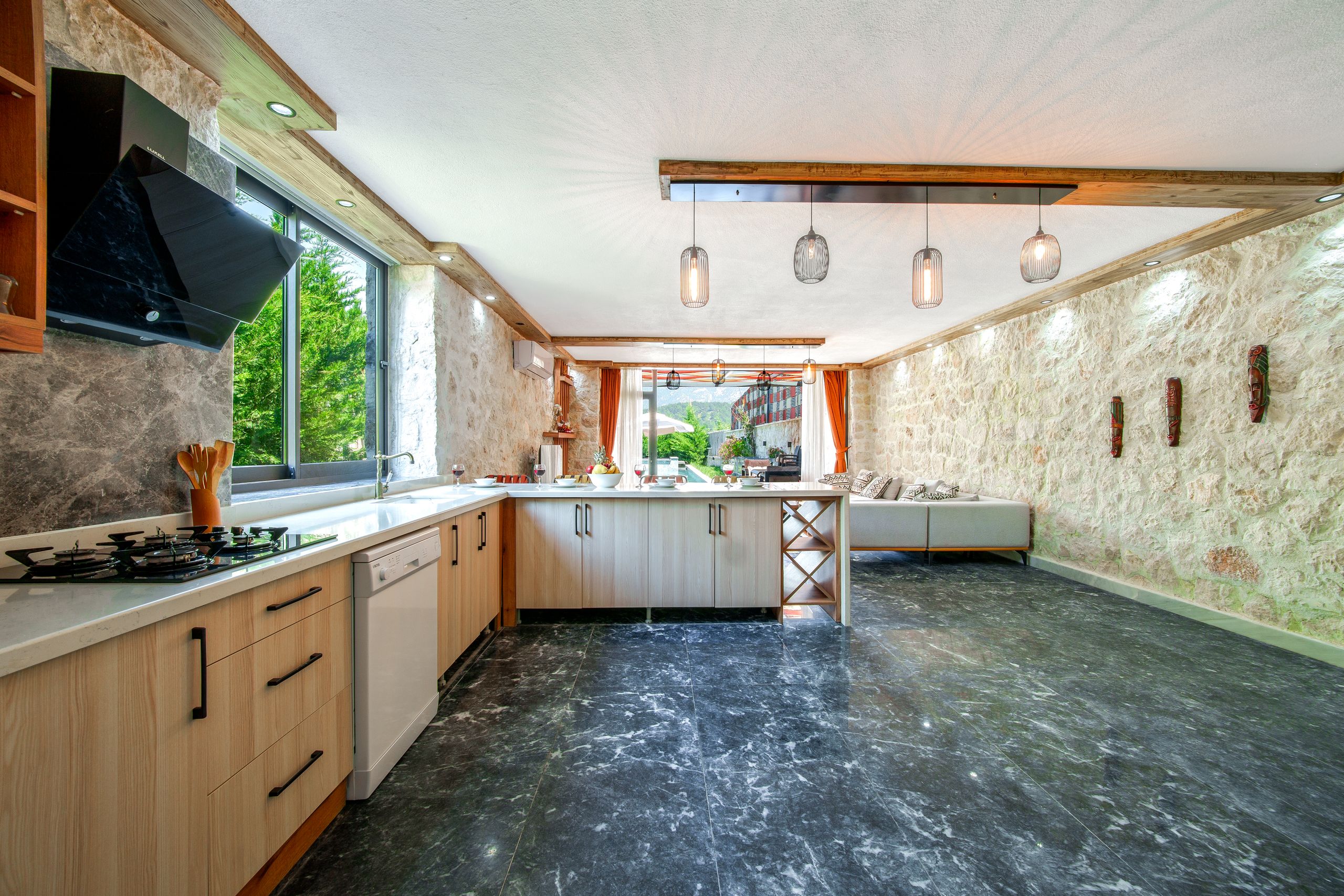
Kitchen windows do more than bring daylight into a room. The right window can improve ventilation, frame an outdoor view, make a small kitchen feel more open, and add character to the overall design. That is why choosing between different kitchen window ideas deserves more thought than simply picking a style that looks attractive.
A practical choice depends on several factors, including wall space, cabinets, countertops, privacy, cleaning access, and how much fresh air the kitchen needs. A fixed picture window may work well for views and daylight, while an operable casement or awning window can be more useful when ventilation matters.
Why Kitchen Windows Matter in Modern Kitchen Design
A kitchen window can become one of the room’s strongest design features. It can also affect how comfortable and functional the space feels every day.
Bring More Natural Light Into the Kitchen
Natural light can make a kitchen feel more open and welcoming. A strategically positioned window can brighten work areas during the day and reduce the need for artificial lighting.
Large glass areas can create an especially bright appearance, but bigger is not automatically better. The size and position should work with the kitchen’s cabinets, counters, walls, and available outdoor light.
Improve Airflow and Ventilation
Cooking can create heat, steam, and strong odors. An operable window gives homeowners another way to introduce fresh air into the space.
Casement, awning, sliding, and double-hung windows offer different opening configurations. The right option depends on how the kitchen is arranged and whether the window can be operated comfortably.
Create a Strong Visual Connection With the Outdoors
A kitchen window can frame a garden, courtyard, patio, or another outdoor area. This can make the room feel connected to its surroundings instead of enclosed by cabinets and walls.
Here’s the thing: a window doesn’t have to be enormous to create that effect. Even a smaller opening can become an attractive focal point when its proportions and surroundings are carefully planned.
15 Kitchen Window Ideas for a Bright and Stylish Space
There is no single design that works for every kitchen. These ideas cover different layouts, styles, and practical requirements.
Large Picture Window Above the Sink
A picture window above the sink can create a clean, uninterrupted view. Because this type of window is fixed, it works particularly well when the priority is daylight and scenery rather than natural ventilation.
It can also create a strong focal point between upper cabinets. Pairing a large window with simple cabinetry and a restrained backsplash can give the kitchen a modern appearance.
Black-Framed Modern Kitchen Windows
Black frames can create contrast against white, cream, gray, or natural-wood cabinetry. They can also reinforce an industrial, contemporary, or transitional design.
This approach works especially well when black appears elsewhere in the room, such as in cabinet hardware, lighting fixtures, faucets, or appliances. Keeping the rest of the window treatment simple prevents the frame from competing with other details.
Casement Windows for Better Kitchen Ventilation
Casement windows open outward and can provide useful ventilation when positioned appropriately. Their clean appearance also suits many contemporary kitchen designs.
They can work well above sinks or countertops, but the surrounding space should be checked before installation. Exterior clearance and convenient operation matter just as much as appearance.
Awning Windows for a Contemporary Kitchen
Awning windows are hinged at the top and open outward from the bottom. Their horizontal proportions can complement kitchens where a wide but relatively short window opening makes sense.
They can also provide ventilation while offering some protection from light rain when positioned appropriately. As with any opening window, the surrounding exterior space should be considered.
Wide Horizontal Sliding Windows
Sliding windows move horizontally rather than opening outward. That can make them useful where exterior clearance is limited.
Their straightforward operation can suit compact kitchens, especially when the window is positioned above a countertop. A wide horizontal design can also provide a broader view without requiring a large opening mechanism.
Bay Window With a Kitchen Breakfast Nook
A bay window can add depth and architectural character to a kitchen. With enough space, the extended area may also accommodate a small breakfast nook or seating arrangement.
This style requires more planning than a standard window because it changes the shape of the wall. It can be particularly effective in larger kitchens where additional floor or seating space is available.
Arched Kitchen Windows
Arched windows introduce a softer shape into kitchens dominated by straight cabinets, countertops, and appliances.
They can work particularly well in traditional, transitional, or Mediterranean-inspired interiors. The arch itself can become a decorative feature, meaning the surrounding window treatment can remain relatively simple.
Garden Window for Herbs and Plants
A garden window projects outward and can provide a small shelf-like area for plants. In a kitchen, this can be useful for displaying herbs or other small greenery.
The design can bring extra visual interest while making use of a space that might otherwise remain purely functional. However, plants should not obstruct the window’s operation or create unnecessary cleaning work.
Corner Kitchen Windows
Corner windows use two adjoining walls to create a wider visual opening. They can bring daylight from different directions and provide an expansive view.
This approach can make a kitchen feel particularly open, although cabinetry and structural requirements need careful planning. The corner area should be designed as a complete unit rather than treated as two unrelated windows.
Pass-Through Kitchen Window
A pass-through window can connect an indoor kitchen with an outdoor dining or entertaining area. It can create a convenient serving point while visually opening the kitchen toward the outside.
This option is especially useful when the kitchen already connects closely with a patio, deck, or outdoor seating area. Its usefulness depends heavily on the home’s layout.
Extra-Tall Kitchen Windows
Tall windows can emphasize vertical space and bring daylight deeper into a room. They can also create a dramatic architectural feature when paired with high ceilings.
The surrounding cabinetry should be planned carefully so the window doesn’t feel squeezed between storage units. Proportion is key.
Small Kitchen Windows With Minimal Treatments
Small kitchens don’t necessarily need oversized windows to feel brighter. A compact window with a slim frame and simple treatment can preserve visual space while allowing useful daylight inside.
Heavy curtains can make a small opening feel even smaller. A roller shade or another streamlined treatment may be easier to integrate into a compact layout.
Double-Hung Kitchen Windows
Double-hung windows have two movable sashes that slide vertically. Their familiar appearance can work in traditional, transitional, and contemporary kitchens.
They can provide ventilation while maintaining a relatively conventional exterior appearance. Their suitability depends on available wall space and how easily the window can be reached.
Kitchen Windows With a Deep Sill
A deeper sill can become a small decorative surface for plants, pottery, or other kitchen accents. This approach works particularly well when the window has enough surrounding space to remain easy to clean.
The sill should not become so crowded that it blocks daylight or interferes with opening the window. Or maybe I should say it this way: decoration should support the window, not make it harder to use.
Multiple Windows Along One Kitchen Wall
Several windows arranged along one wall can create a balanced, bright appearance. This can be particularly effective in larger kitchens where one opening would look too small for the available wall.
The windows don’t have to be identical in every situation, but consistent frames and proportions can help the arrangement feel intentional.
Modern Kitchen Window Styles by Kitchen Type
Different kitchen layouts call for different approaches. A window that works beautifully in a spacious kitchen may overwhelm a compact room.
Small Kitchen
For a small kitchen, prioritize daylight without sacrificing valuable wall or counter space. Compact sliding windows, simple frames, and minimal treatments can help maintain an uncluttered appearance.
A carefully positioned window can also provide the illusion of greater depth, particularly when it offers a view beyond the kitchen.
Large Kitchen
Large kitchens can accommodate more ambitious designs, such as multiple windows, bay windows, oversized picture windows, or combinations of fixed and operable units.
The goal should be balance. A huge glass area may look impressive, but it should still work with cabinetry, appliances, ventilation, and privacy requirements.
Minimalist Kitchen
Minimalist kitchens generally benefit from simple window shapes, clean frames, and restrained treatments. Large areas of glass can work well when the surrounding design remains uncluttered.
Neutral finishes can allow the view outside to become part of the room’s visual composition.
Traditional or Farmhouse Kitchen
Traditional kitchens can accommodate divided-light windows, white frames, bay configurations, or softer treatments such as Roman shades and curtains.
Natural materials and warm colors can help the window feel connected to the rest of the kitchen rather than appearing like a separate feature.
Kitchen Window Ideas Over the Sink
The area above the sink is one of the most common locations for a kitchen window. It can provide useful daylight exactly where many daily tasks take place.
Casement Windows
Casement windows can be a practical option when ventilation is important. Their opening mechanism can provide good airflow, but the faucet and surrounding counter should be considered before selecting the configuration.
The window should remain accessible without making everyday sink use awkward.
Picture Windows
Picture windows can create an attractive view above a sink. They are especially useful when the kitchen faces a garden or another appealing outdoor area.
Since they don’t open, they are best considered when ventilation can be handled through another window or ventilation system.
Awning Windows
Awning windows can fit well above sinks because of their horizontal proportions. They provide an opening for fresh air while maintaining a relatively compact profile.
Their operation and exterior clearance should still be checked during the planning stage.
Window Combinations
A combination of fixed and operable windows can balance different priorities. For example, a central picture window can provide a broad view while smaller operable windows provide ventilation.
This can be a useful solution when homeowners want both daylight and fresh-air circulation.
How to Choose the Right Kitchen Window
Choosing among different kitchen window design ideas becomes easier when the decision is based on function first and appearance second.
Consider Natural Light
Look at where daylight enters the kitchen and which areas need more brightness. A window’s size, orientation, surrounding buildings, trees, and exterior conditions can all affect the amount of useful daylight.
Think about the actual room rather than assuming that a larger window will always solve a lighting problem.
Think About Ventilation
If fresh air is a priority, consider an operable window. Fixed windows can provide daylight and views but cannot be opened for natural airflow.
A kitchen may also have mechanical ventilation, so the window choice should be considered alongside the overall ventilation strategy.
Check the Kitchen Layout
Window placement should work with cabinets, countertops, appliances, faucets, and walkways. A beautiful window becomes frustrating if it interferes with storage or everyday kitchen activities.
Look — if you’re planning a kitchen update, here’s what actually works: measure the surrounding space before becoming attached to a particular window style.
Consider Privacy
A kitchen facing a neighboring home or busy street may need more privacy than one overlooking a private garden.
Frosted or textured glass, blinds, shades, and carefully positioned treatments can provide privacy while still allowing daylight into the room.
Choose a Practical Frame and Material
Frames influence both appearance and maintenance. Consider how the material fits the kitchen’s style and how easily the window can be cleaned.
Grease, cooking moisture, dust, and everyday splashes can affect surfaces around the kitchen window. Accessibility matters.
Match the Window to the Interior Style
The frame, shape, and treatment should relate to the kitchen’s cabinets, hardware, countertops, backsplash, and lighting.
A black frame may suit a contemporary kitchen, while a traditional divided-light design may work better with classic cabinetry. The important thing is visual consistency.
Kitchen Window Treatments for Style and Privacy
A window treatment can change the appearance of the entire kitchen. It should also provide the amount of privacy and light control the room requires.
Roman Shades
Roman shades can add softness and texture. They work well in traditional, transitional, and some contemporary kitchens.
Choose a material that suits the room’s cleaning and moisture conditions.
Roller Shades
Roller shades provide a simple, streamlined appearance. They can be particularly useful in modern or minimalist kitchens where visual clutter needs to stay low.
They can also offer flexible control over privacy and daylight.
Blinds
Blinds allow users to adjust the amount of light and privacy. Their clean lines can work with many kitchen styles.
Easy cleaning should be considered, particularly around cooking areas where dust and grease may accumulate.
Simple Curtains
Curtains can make a kitchen feel warmer and more decorative. They are especially suitable for traditional or farmhouse-inspired spaces.
Keep fabric away from cooking surfaces and areas where it could interfere with everyday kitchen activities.
Frosted or Textured Glass
Frosted or textured glass can provide privacy without requiring a conventional curtain or shade.
This can be useful when the kitchen faces a nearby property or another area where privacy is important. The trade-off is that the glass can reduce the clarity of the outdoor view.
Common Kitchen Window Design Mistakes to Avoid
Choosing Style Without Considering Function
A window may look impressive in an inspiration photograph but still be inconvenient in everyday use.
Consider operation, ventilation, cleaning, privacy, and surrounding counter space before making a final choice.
Blocking Natural Light With Heavy Treatments
A window designed to brighten the kitchen should not be covered unnecessarily with bulky treatments.
Choose a treatment that provides the required privacy or light control without hiding most of the available glass.
Ignoring Exterior Clearance
Some windows open outward. Exterior walls, pathways, landscaping, neighboring structures, and other obstacles can affect whether that operation is practical.
This is particularly relevant for casement and awning configurations.
Forgetting Cleaning and Maintenance
Kitchen windows can be exposed to cooking residue, moisture, and dust. A hard-to-reach window may become a maintenance problem.
Before choosing a dramatic design, consider how the glass, frame, sill, and treatment will be cleaned.
Focusing Only on Appearance
A beautiful window is only one part of a successful kitchen design.
Most people assume that more glass automatically means a better kitchen window. The better choice depends on ventilation, privacy, cleaning, operation, and how the window works with the rest of the room.
Quick Comparison of Kitchen Window Styles
| Window Type | Best For | Key Benefit | Limitation |
| Picture Window | Views and daylight | Large unobstructed glass area | Does not open |
| Casement Window | Ventilation | Strong airflow when open | Needs exterior clearance |
| Awning Window | Ventilation and compact placement | Opens outward from the bottom | Opening area may be smaller |
| Sliding Window | Compact kitchens | Easy horizontal operation | Usually provides less open area than some casement configurations |
| Bay Window | Character and extra space | Adds dimension and visual interest | Requires more wall/exterior planning |
Frequently Asked Questions
What’s the best window for a kitchen?
The best choice depends on the layout. Casement, awning, picture, sliding, and combination windows can all work when operation, clearance, ventilation, and privacy are considered.
How do I make a small kitchen look brighter with windows?
Maximize useful daylight, keep treatments visually light, avoid blocking the glass, and coordinate the window with bright or light-reflective finishes.
Should I put a window above the kitchen sink?
A sink-area window can provide daylight and an outdoor view, but check faucet clearance, operation, privacy, and cleaning access first.
Why does window placement matter in a kitchen?
Placement affects daylight, ventilation, views, privacy, cabinet arrangement, countertop space, and how easily the window can be operated and cleaned.
When should I choose a picture window?
Choose one when broad daylight and an uninterrupted outdoor view matter more than opening the window for natural ventilation.
Final Thoughts
The right kitchen window should balance appearance with everyday function. Natural light, ventilation, privacy, views, cleaning, and the surrounding kitchen layout all deserve attention before choosing a style.
A large picture window can create an impressive focal point, while a smaller operable window may make more sense in a compact or ventilation-focused space. There is no universal answer for every kitchen.
Start by identifying where you need more natural light, ventilation, or privacy. Then choose a window style that complements your kitchen layout and overall design.
