
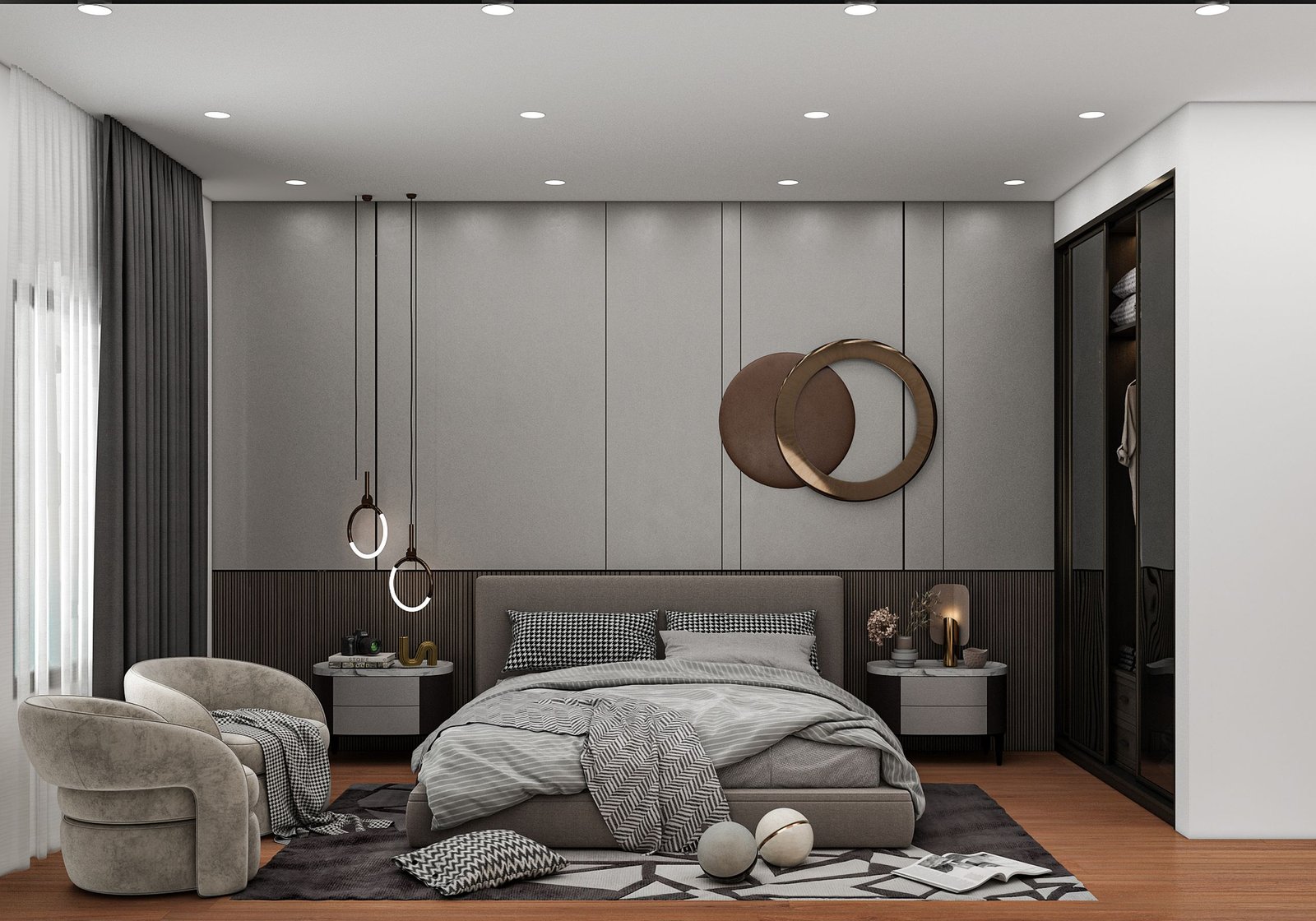
Your master bedroom should be more than a place to sleep. Master Bedroom Ideas It should feel comfortable, reflect your personal style, and provide practical solutions for everyday living. Whether your bedroom looks outdated, feels cluttered, or simply needs a fresh look, a few thoughtful changes can make a noticeable difference without requiring a complete renovation.
The best master bedroom ideas combine attractive colors, comfortable textures, suitable furniture, and effective lighting. From warm neutral palettes and Japandi-inspired interiors to statement headboards and smart storage, there are plenty of ways to create a bedroom that suits your space and budget.
Here are 15 practical ideas to help you transform your master bedroom into a welcoming and well-coordinated retreat.
15 Master Bedroom Ideas to Inspire Your Makeover
1. Create a Warm, Neutral Bedroom
Warm neutrals offer a versatile foundation for a relaxing bedroom. Master Bedroom Ideas Shades such as cream, beige, ivory, taupe, and soft brown work well with different furniture styles and decorative accents.
Instead of using one color throughout the room, combine several complementary shades. For example, pair cream bedding with beige curtains, a light brown rug, and natural wood furniture. Master Bedroom Ideas Different textures help prevent the palette from looking flat.
2. Embrace Japandi Design
Japandi design combines Japanese-inspired simplicity with Scandinavian warmth. Master Bedroom Ideas It emphasizes natural materials, functional furniture, clean lines, and carefully selected accessories.
Choose a low-profile bed, wooden bedside tables, neutral bedding, and a few meaningful decorative pieces. Keep unnecessary items out of sight to create a more organized appearance. This style works particularly well for people who prefer uncluttered spaces without sacrificing warmth.
3. Layer Textures for a Cozy Atmosphere
Texture can make a bedroom feel inviting even when the color palette is simple. Combine cotton sheets, a knitted throw, textured cushions, soft curtains, and a comfortable rug to introduce depth.
You do not need to cover the bed with numerous pillows or blankets. Master Bedroom Ideas Start with comfortable bedding and add a few layers that complement one another. This approach is especially useful when exploring cozy master bedroom ideas on a budget.
4. Make a Statement With an Oversized Headboard
A headboard can become the main focal point of your bedroom. Upholstered designs introduce softness, while wooden or paneled options create a more structured appearance.
Consider the size of your wall and bed before choosing a design. Master Bedroom Ideas A wide headboard can look striking in a spacious room, while a simpler, appropriately scaled option may work better in a smaller bedroom. Coordinate its color with the bedding and bedside furniture for a cohesive finish.
5. Combine Earthy Green With Natural Wood
Muted green shades, including sage and olive, pair beautifully with natural wood, cream, and warm beige. Together, these colors create a nature-inspired look without requiring elaborate decoration.
You could paint one wall sage green, introduce wooden bedside tables, and use neutral bedding to balance the palette. If you prefer a temporary update, add green through cushions, artwork, curtains, or a decorative throw instead of repainting.
6. Experiment With Moody Bedroom Colors
Dark colors can give a master bedroom a distinctive and sophisticated appearance. Deep olive, chocolate brown, burgundy, and smoky blue are options for people who prefer richer interiors.
Consider applying a chosen shade to the walls, bedding, or curtains, then balance it with contrasting materials and suitable lighting. In rooms with limited natural light, test paint samples before committing to a darker palette. The result should feel intentional rather than overwhelming.
7. Add Interest With Wallpaper or an Accent Wall
An accent wall creates a focal point without requiring every surface to be redecorated. The wall behind the bed is often a natural place to introduce color, pattern, or texture.
Options include patterned wallpaper, painted panels, timber details, or a contrasting paint shade. For rented homes, removable wallpaper may offer a more flexible alternative, provided it is suitable for the wall surface and allowed under the rental agreement.
8. Create a Modern Luxury Bedroom
Luxury master bedroom ideas do not always require expensive furniture. A refined appearance often comes from coordinated colors, comfortable bedding, balanced proportions, and carefully selected lighting.
Choose a few features to emphasize, such as an upholstered headboard, elegant bedside lamps, or full-length curtains. Keep decorative accessories selective and make sure the furniture fits the room. Even affordable furnishings can look well considered when their finishes and colors work together.
9. Introduce Curved Furniture and Organic Shapes
Rounded furniture and organic shapes can soften a bedroom filled with straight lines. A curved chair, circular mirror, rounded bedside table, or oval rug introduces variety without changing the entire room.
Start with one or two pieces rather than combining too many shapes. In compact bedrooms, prioritize items that leave enough space to move comfortably around the bed and access wardrobes or drawers.
10. Layer Your Bedroom Lighting
Lighting influences how a bedroom looks and how easily you can use it throughout the day. Instead of relying entirely on an overhead fixture, combine general lighting with task and accent lighting.
A ceiling light provides overall illumination, bedside lamps support reading, and accent lights can highlight artwork or architectural details. Adjustable lamps are particularly useful because they allow you to change the lighting according to the activity and time of day.
11. Make Storage Part of the Design
A bedroom can look cluttered even when its color scheme and furniture are attractive. Practical storage helps keep everyday belongings organized while preserving the room’s appearance.
Consider under-bed drawers, floating nightstands, baskets, wardrobe organizers, or a dresser that fits the available space. For small master bedroom ideas, choose furniture that serves more than one purpose whenever possible. Avoid adding storage units that block windows, doors, or walking paths.
12. Use Floor-Length Curtains
Curtains frame the windows and help connect the bedroom’s different design elements. Floor-length panels can create a coordinated appearance when their color complements the walls, bedding, or rug.
Before buying curtains, measure the window and decide how much privacy and light control you need. Light-filtering fabrics may suit a bright room, Master Bedroom Ideas while thicker curtains can be useful when greater privacy or reduced incoming light is preferred.
13. Create a Reading or Relaxation Nook
If you have an unused corner, consider turning it into a small reading area. A comfortable chair, compact side table, and suitable lamp may be all you need.
In a larger bedroom, this arrangement can make the space more versatile. In a smaller room, a slim chair or a window-side seat may be more practical. Keep the area simple and ensure it does not interfere with movement around the bed.
14. Add Personality Through Artwork and Decor
Personal details help a bedroom feel individual rather than copied from a showroom. Framed prints, photographs, books, ceramics, and meaningful keepsakes can introduce character without requiring a major investment.
Choose items that complement the overall palette, but do not worry about matching every piece. Repeating a few colors, materials, or shapes can create visual consistency. Leave some surfaces clear so the room remains easy to maintain.
15. Create a Hotel-Inspired Bed
A hotel-inspired bedroom often features neat bedding, coordinated textiles, simple bedside furniture, and balanced lighting. You can recreate this appearance without replacing your entire bedroom set.
Begin with bedding that fits the mattress properly. Coordinate the duvet cover and pillowcases, then add a folded throw or a small number of cushions. Keep bedside surfaces organized and choose lighting that complements the rest of the room.
How to Choose the Right Master Bedroom Style
Consider Your Room Size and Layout
Measure your bedroom before buying furniture. Account for doors, wardrobes, windows, and the space needed to move around the bed. Smaller rooms often benefit from floating bedside tables, wall-mounted lights, and storage that uses otherwise unused space.
Choose a Suitable Color Palette
Your room’s natural light, existing furniture, and personal preferences should guide your color choices. Light neutrals can create an airy appearance, while deeper colors provide contrast and visual depth. Test paint samples under different lighting conditions before making a final decision.
Set a Realistic Decorating Budget
You can refresh a bedroom gradually rather than completing every change at once. Low-cost improvements include rearranging furniture, changing bedding, and displaying artwork differently. A moderate budget might cover new curtains or lighting, while larger investments could include a new bed or built-in storage.
Prioritize the changes that solve your biggest problems before purchasing decorative extras.
Balance Trends With Everyday Needs
Modern master bedroom ideas can provide inspiration, but comfort and functionality should guide your final decisions. Choose durable materials, useful storage, and furniture that suits your routine. Trends can be introduced through flexible elements such as cushions, paint, throws, and artwork.
Quick Comparison of Master Bedroom Styles
| Bedroom style | Best for | Main benefit |
| Warm neutral | Flexible, understated interiors | Easy to coordinate |
| Japandi | Minimalist spaces | Simple, uncluttered appearance |
| Moody colors | Dramatic interiors | Adds depth and character |
| Modern luxury | Refined styling | Creates a coordinated finish |
| Space-saving modern | Small bedrooms | Makes better use of available space |
Frequently Asked Questions
What are the most popular master bedroom styles in 2026?
Warm neutral interiors, Japandi design, organic modern furniture, layered textures, and personalized decor are useful styles to consider. The best option depends on your room’s layout, preferred colors, and budget.
How can I make my master bedroom look luxurious?
Use coordinated colors, well-fitting bedding, appropriate lighting, and furniture that suits the room’s proportions. A few carefully selected accessories can create a refined appearance without requiring expensive purchases.
How can I decorate a small master bedroom?
Choose appropriately sized furniture, use vertical storage, keep walking paths clear, and consider floating bedside tables. Under-bed storage can also help reduce clutter without taking up additional floor space.
What colors work well in a master bedroom?
Cream, beige, taupe, earthy brown, sage green, and deeper shades such as olive or smoky blue can all work well. Choose colors that complement your furniture and suit the room’s lighting.
How can I update my bedroom without renovating?
Rearrange the furniture, refresh the bedding, update lamps, change curtains, repaint a wall, or display artwork differently. Start with one or two changes that will make the biggest difference to the room.
Conclusion
The best master bedroom ideas combine personal style with comfort, practical storage, and a layout that supports everyday life. Whether you prefer warm neutrals, Japandi simplicity, bold colors, or modern luxury, you can create a coordinated space without replacing everything you own.
Start with the changes that matter most to you. A fresh bedding combination, improved lighting, a thoughtfully chosen accent wall, or better storage may be enough to transform the room. By making deliberate choices and working within your budget, you can create a master bedroom that feels welcoming, functional, and distinctly yours.
