
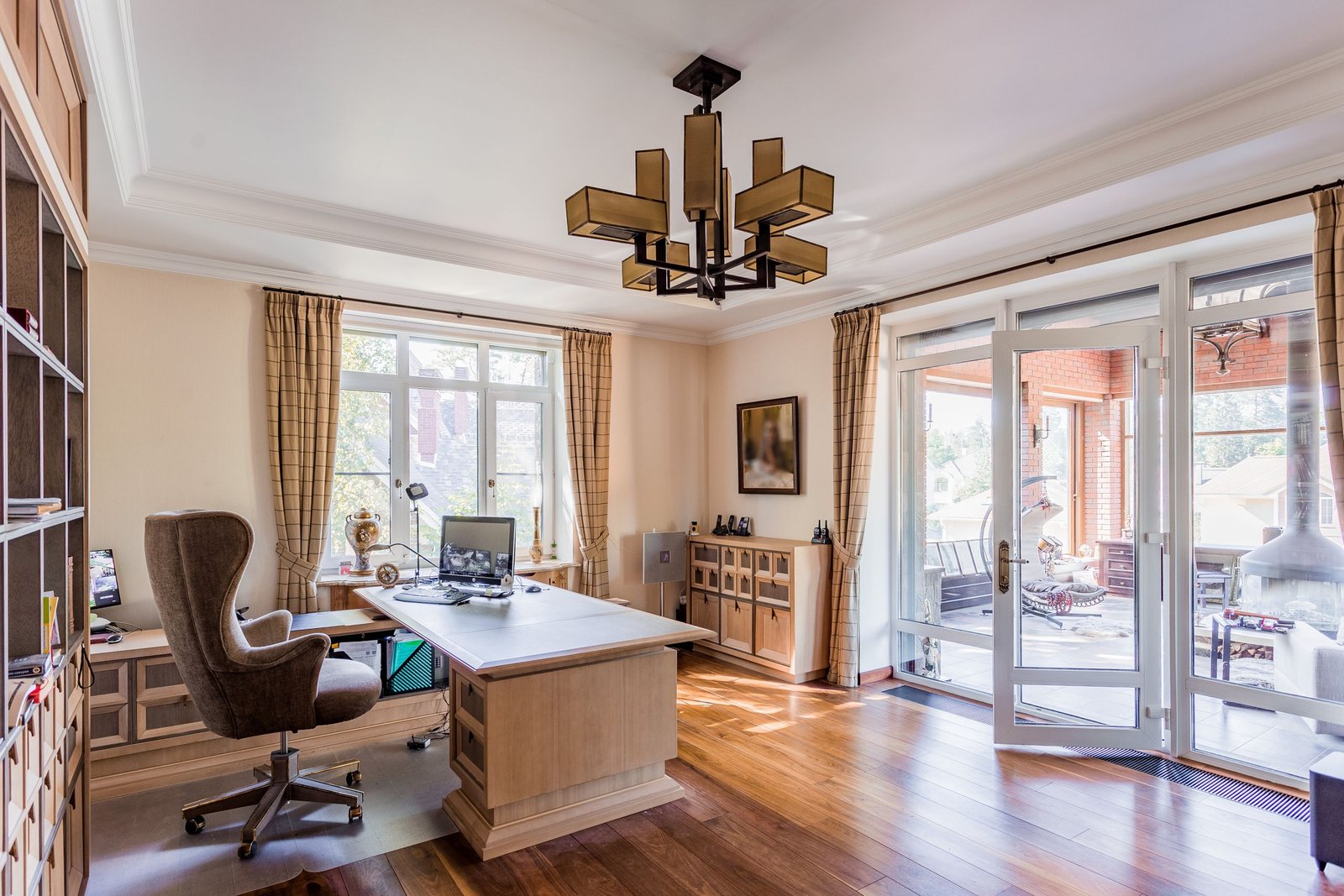
Working from home becomes easier when your workspace feels comfortable, organized, and inspiring. Home Office Ideas A well-designed home office can help you concentrate, manage daily tasks, and maintain a better balance between work and personal life. You do not need a large room or an expensive renovation to create a useful workspace. Small changes to your furniture, lighting, storage, and layout can make a noticeable difference.
Whether you have a dedicated office, a spare bedroom, Home Office Ideas or a small corner in your living room, these home office ideas can help you create a workspace that suits your needs and complements your home’s interior.
1. Choose a Dedicated Workspace
A dedicated workspace helps separate professional responsibilities from everyday household activities. Home Office Ideas If you have a spare room, consider turning it into a home office. If space is limited, a quiet corner in your bedroom or living room can work just as well.
Choose an area with enough room for your desk, chair, computer, and essential supplies. Home Office Ideas Keeping your work materials in one place also makes it easier to start and finish your workday without unnecessary distractions.
2. Invest in a Comfortable Office Chair
Comfort should be a priority when choosing office furniture. Sitting for long periods in an unsuitable chair may cause discomfort and make it difficult to concentrate.
Look for a chair with adjustable height, supportive backrest, and comfortable cushioning. Ideally, your feet should rest flat on the floor, and your knees should remain at a comfortable angle. An ergonomic chair can support a more comfortable working position throughout the day.
3. Select a Desk That Fits Your Space
Your desk should provide enough room for your computer, notebook, and other frequently used items without overwhelming the room. A compact writing desk may be suitable for a small apartment, while a larger desk can accommodate multiple monitors and additional equipment.
Before purchasing furniture, measure the available area and consider where electrical outlets are located. A desk with built-in drawers can also provide extra storage while keeping the surface clear.
4. Make the Most of Natural Light
Natural light can make a workspace feel brighter and more welcoming. If possible, position your desk near a window to enjoy daylight while working.
However, avoid placing your monitor where direct sunlight creates glare. Adjusting the desk angle, using curtains, or adding blinds can help control brightness. If your room has limited natural light, combine general room lighting with a dedicated desk lamp.
5. Add Proper Task Lighting
Good lighting makes reading, writing, and computer work more comfortable. A desk lamp is particularly useful when working during the evening or in a room with insufficient daylight.
Choose a lamp that directs light toward your work surface without shining directly into your eyes or onto your screen. Adjustable lamps offer greater flexibility because you can move the light according to your task.
6. Use Wall-Mounted Shelves
Wall-mounted shelves provide storage without taking up valuable floor space. Home Office Ideas They are especially useful in small home offices where every square foot matters.
Use shelves for books, notebooks, folders, and decorative accessories. Keep frequently used materials within easy reach, and place less important items on higher shelves. Avoid overcrowding the shelves, as excessive clutter can make the entire workspace feel disorganized.
7. Keep Your Desk Organized
A clean desk makes it easier to find essential items and focus on important tasks. Start by removing anything you rarely use during the workday.
Use pen holders, small trays, drawer organizers, and document folders to arrange supplies. Keep your computer accessories together and return items to their designated places after use. Spending a few minutes organizing your desk at the end of each day can make the next morning more productive.
8. Introduce Indoor Plants
Indoor plants can add natural color and softness to a home office. A small plant on your desk or a larger plant near a window can make the room feel more inviting.
Choose plants according to the amount of sunlight available and the time you can spend caring for them. If your workspace receives limited daylight, look for suitable low-light varieties. Home Office Ideas You can also use a simple planter that complements the room’s existing colors and furniture.
9. Choose a Calming Color Scheme
The colors in your workspace influence its overall appearance and atmosphere. Neutral shades such as white, beige, gray, and soft cream create a clean and versatile background.
If you prefer more character, consider muted green, navy blue, or warm terracotta as accent colors. You can introduce these shades through a feature wall, desk accessories, artwork, or an office chair. A coordinated palette helps the workspace look intentional without requiring expensive changes.
10. Add Personal Decorations
Your home office should reflect your personality while remaining suitable for work. Framed photographs, artwork, a decorative clock, or a meaningful keepsake can make the room feel more personal.
Choose a few items that you genuinely enjoy rather than filling every available surface. Home Office Ideas Too many decorations may compete for attention, especially if you work in a small area. A balanced arrangement can make your office attractive without sacrificing functionality.
11. Create a Small Home Office in a Bedroom
A bedroom can accommodate a workspace even when a separate office is unavailable. Home Office Ideas Place a compact desk against an unused wall or near a window, depending on the room’s layout.
Choose furniture that matches the bedroom’s existing style so the office does not feel disconnected from the rest of the space. Storage boxes, a small cabinet, or a desk with drawers can keep work materials out of sight when the workday ends.
12. Use Vertical Storage
Vertical storage is an effective way to organize a small home office. Tall bookcases, wall organizers, pegboards, and hanging file holders can make use of otherwise empty wall space.
Use these solutions to store office supplies, cables, documents, and frequently used tools. Keep heavier objects on stable lower shelves and secure wall-mounted units properly. Vertical storage can help maintain an open floor area while providing practical organization.
13. Manage Cables and Electronic Accessories
Loose cables can make even a beautiful workspace look messy. They can also create practical problems when they become tangled around furniture or underfoot.
Use cable clips, sleeves, or an under-desk cable tray to group wires neatly. Home Office Ideas Keep chargers and adapters in a dedicated container when they are not in use. Position electronic equipment so that ventilation openings remain clear, and avoid overloading electrical outlets.
14. Try a Minimalist Office Design
A minimalist workspace focuses on useful furniture, simple colors, and limited decoration. Home Office Ideas This approach works particularly well for people who prefer a clean, uncluttered environment.
Start with a desk, a comfortable chair, adequate lighting, and essential storage. Choose accessories that serve a purpose and remove items that do not contribute to your work. Minimalism does not mean making the office completely empty; it means giving every item a clear reason to be there.
15. Improve Your Computer Setup
Your computer arrangement can affect everyday comfort and convenience. Position the monitor directly in front of you, approximately an arm’s length away when practical, and adjust its height to support a neutral head and neck position.
If you use a laptop for extended periods, consider a separate keyboard and mouse with a laptop stand. This allows you to position the screen more comfortably while keeping your hands in a natural working position. Adjust the setup to your needs rather than relying on a single arrangement for everyone.
16. Create a Multi-Purpose Workspace
Some homes require one room to serve several purposes. A home office may also function as a guest room, reading area, or hobby space.
Choose furniture that can adapt to different activities, such as a compact desk, a storage ottoman, or a cabinet with closed compartments. Keep work equipment organized so the area can be used for other purposes when necessary. A flexible layout helps you make better use of limited space.
17. Add a Comfortable Reading Corner
If your work involves research, writing, or reviewing documents, a small reading corner can be a useful addition. A comfortable chair, a side table, and a reading lamp may be all you need.
Place books and reference materials nearby so they remain accessible without covering your desk. Home Office Ideas In a larger office, this corner can create a separate place for reading and planning. In a smaller room, a single comfortable chair may provide the same benefit without requiring a major redesign.
18. Keep Your Workspace Clean and Practical
Regular cleaning helps maintain a pleasant working environment. Home Office Ideas Dust your desk, wipe down frequently touched surfaces, organize paperwork, and clean your keyboard and other equipment according to the manufacturer’s guidance.
It is also helpful to review your storage regularly. Recycle unnecessary paper, file important documents, and remove supplies you no longer need. Home Office Ideas A simple maintenance routine prevents clutter from building up over time.
Frequently Asked Questions
How can I make my home office look professional?
Choose a suitable desk and chair, maintain an organized workspace, use consistent colors, and provide adequate lighting. A few carefully selected decorations can add personality while keeping the room professional.
How can I create a home office in a small space?
Use a compact desk, wall-mounted shelves, vertical storage, and furniture with built-in compartments. Home Office Ideas A quiet corner of a bedroom or living room can become a functional workspace without requiring a separate room.
What should every home office include?
Most home offices need a desk, a comfortable chair, appropriate lighting, a computer or other necessary equipment, and storage for essential supplies. Home Office Ideas Additional furniture and decorations depend on the available space and the type of work being performed.
Final Thoughts on Home Office Ideas
Creating a practical home office does not require a large budget or a dedicated room. The best home office ideas focus on comfort, organization, suitable lighting, and furniture that fits your space. Start with the essentials, improve your layout, and add personal touches that make the environment enjoyable.
By making thoughtful choices and maintaining an organized setup, you can create a home office that supports your daily responsibilities while fitting naturally into your home.
