
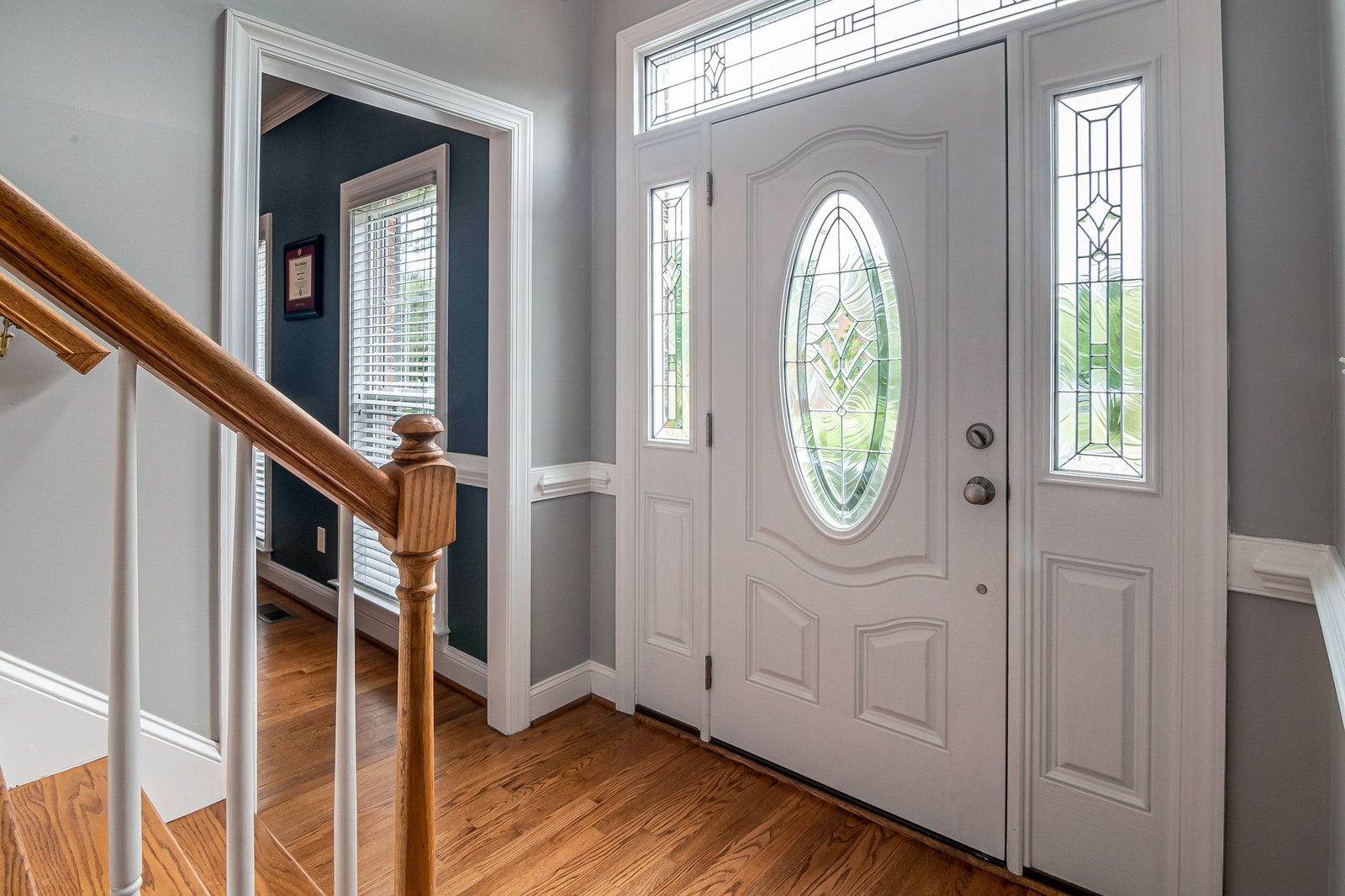
Your front door is the first thing people see when they get to your house. The glass in it brings in daylight, sets the look of your entryway, and decides how much a visitor can see inside. It also has to be safe, strong and ready for all kinds of weather.
Here’s the catch: no single glass does it all. Clear glass is bright, but anyone can look in. Frosted glass keeps things private, but you lose the view. Safety glass protects your family, but it won’t do anything for the style.
This guide walks you through the different types of glass for front doors. For each one, you’ll see what it looks like, where it works best and what to watch out for. By the end, you should know what to ask for when you talk to a door supplier.
Quick Answer: Which Glass Is Best for a Front Door?
For most homes, tempered or laminated glass with a frosted or textured finish is the best pick. You get privacy, daylight and safety in one door. If you live somewhere very hot or very cold, ask for an insulated unit with a Low-E coating too.
Glass Finish vs. Glass Performance: Know the Difference
Front door glass terms fall into two groups, and people mix them up all the time.
- Appearance and privacy: clear, frosted, textured, tinted and decorative glass. These decide how the door looks and how much people can see through it.
- Performance and safety: tempered, laminated, insulated and Low-E glass. These tell you how the glass is made and treated.
You can mix and match. One door panel can be textured, tempered and part of an insulated unit, all at once. So don’t think of it as picking one type. Pick the look you like first, then add the safety and energy features your home needs.
1. Clear Glass Door

Clear glass, also called float glass, is the simplest option. You can see straight through it, and it lets in the most daylight.
Best for
Homes with a private entrance, like a long driveway, a covered porch or a courtyard, where people walking by can’t easily see in.
Things to consider
- It gives you no privacy on its own, so many owners add blinds or a removable film.
- Plain clear glass isn’t safe enough for a door. It needs to be tempered or laminated.
- It’s usually the cheapest option.
2. Frosted and Acid-Etched Glass

Frosted glass has a soft, cloudy surface, made by sandblasting or acid-etching. It scatters the light, so shapes and details turn blurry while the entryway stays bright. It’s one of the most popular types of obscure glass for front doors.
Best for
Homes close to the street or the neighbors, and modern or minimalist designs that want a clean look.
Things to consider
- You get strong privacy and still keep the daylight.
- Some finishes show fingerprints and marks, so ask which side has the frosting.
- You can’t see out clearly. If you like to check who’s at the door, a separate window or sidelight can help.
3. Textured and Patterned Glass

Textured glass has a pattern pressed into the surface. The pattern bends the light, so the view gets blurry but the hallway stays bright. This is the biggest group of privacy glass for a front door, and every pattern has its own feel.
Popular textured styles
- Rain glass: vertical streaks that look like water running down a window.
- Flemish glass: a soft, wavy pattern that looks like old hand-made glass.
- Reeded (fluted) glass: straight vertical or horizontal ridges with a modern look.
- Seedy glass: tiny air bubbles that give it an antique feel.
Best for
Traditional, craftsman, cottage and mid-century homes, or anyone who wants some character along with privacy.
Things to consider
- Privacy depends on the pattern. A deep texture hides more than a light one.
- Ridges and grooves collect dust, so expect to clean them a bit more often.
- Look at a real sample with the light behind it before you buy.
4. Tinted and Reflective Glass

Tinted glass has a light color, usually gray, bronze, green or blue. It cuts glare and blocks some of the sun’s heat. Reflective glass has a thin coating that acts like a one-way mirror in bright daylight.
Best for
Sunny, hot areas where the front door gets direct sun for most of the day.
Things to consider
- Tint reduces glare, but it’s not a reliable way to get privacy. At night, with the lights on inside, people can often see in.
- It makes the entryway a little darker and can change how colors look.
- Tint alone doesn’t guarantee UV protection. Ask for the actual performance numbers.
5. Low-E Glass
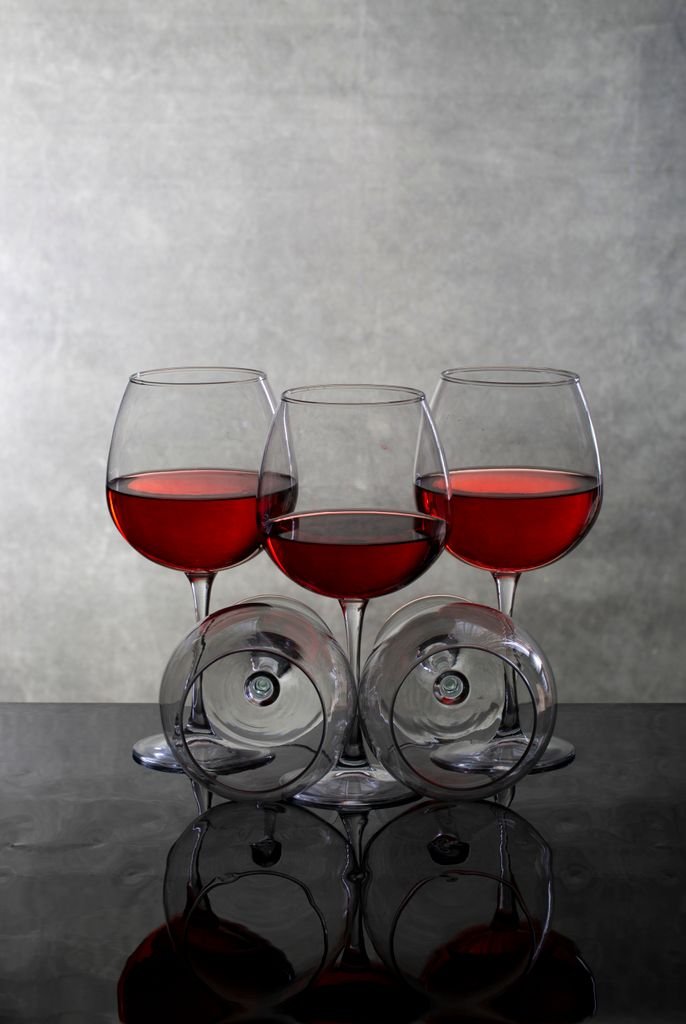
Low-E (low-emissivity) glass has a nearly invisible coating that reflects heat. In summer it helps keep the heat out. In winter it helps keep the warmth in.
Best for
Any home where energy bills matter, especially if the door faces strong sun or cold wind.
Things to consider
- You can’t see the coating, so you still pick clear, frosted or textured glass for the look.
- It works best in a double-pane unit.
- It costs a bit more than standard glass, but you can earn that back through comfort and lower energy use.
- Curious how common it is? The U.S. Department of Energy has a short story on how low-E coatings were developed and how widely they’re used.
6. Insulated Glass (Double and Triple Pane)

An insulated glass unit (IGU) is two or three panes sealed together with a gap in between. That gap is often filled with argon gas. The extra layers slow down heat flow and cut outside noise.
Best for
Cold climates, hot climates, and homes on busy or noisy streets.
Things to consider
- Performance depends on the whole unit, including the spacer, the seal and the frame.
- It’s thicker and heavier than single-pane glass.
- It works with any finish, for example a frosted or textured inner pane.
- If the seal fails, you’ll see fog between the panes. That usually means the unit needs to be replaced.
7. Tempered Glass

Tempered glass is heated and then cooled very fast, which makes it much stronger than regular glass. When it breaks, it crumbles into small, blunt pieces instead of sharp shards. That’s why tempered glass is the most common choice for a front door and for the glass next to it.
Best for
Almost every front door, plus sidelights and transoms close to the floor or the door handle.
Things to consider
- Building codes usually require safety glass in and around doors, and tempered or laminated glass is the normal way to meet that. Check your local code or ask your door supplier.
- It has to be cut to its final size before tempering, so you can’t trim it later.
- Tempered glass is a safety feature. It won’t stop a determined break-in, because the whole pane can fall out when it breaks. If that worries you, a home security system adds another layer.
8. Laminated Glass

Laminated glass is two layers of glass bonded to a tough plastic interlayer. If something hits it, it may crack, but the broken pieces stay stuck to the layer instead of falling away.
Best for
Homes where security, storm protection or noise reduction matter most.
Things to consider
- It’s much harder and slower for someone to break through.
- It cuts outside noise and blocks UV light that fades floors and furniture.
- Real security still depends on the whole door, including the frame, hinges and lock. For more ideas, see our guide on protecting your home from theft.
- It usually costs more than tempered glass.
Front Door Glass Comparison Table
| Glass type | Privacy | Natural light | Main benefit | Keep in mind |
|---|---|---|---|---|
| Clear | Very low | Highest | Bright, open look | Needs blinds or film for privacy |
| Frosted / acid-etched | High | Good | Soft light and strong privacy | Limited outward view |
| Textured / patterned | Medium to high | Good | Style and character | Grooves can hold dust |
| Tinted / reflective | Medium by day | Reduced | Less glare and heat | Weak privacy at night |
| Low-E | Depends on glass | Good | Better energy efficiency | Coating is invisible |
| Insulated (IGU) | Depends on glass | Good | Comfort and a quieter home | Heavier and costlier |
| Tempered | Depends on glass | Good | Everyday safety | Not forced-entry resistant |
| Laminated | Depends on glass | Good | Extra security and noise control | Higher cost |
How to Choose the Right Types Of Glass For Front Doors
Go through these questions in order. Your answers will cut the list down fast.
1. How much privacy do you need? If your door faces the street or a neighbor, go for frosted or textured glass. If your entrance is private, clear glass may be fine.
2. What safety level is required? Glass in and next to a door has to be safety glass. Tempered is the minimum. If you want extra protection, look at laminated.
3. What’s your climate like? In a hot or cold region, pick an insulated unit with a Low-E coating. In a mild climate, a standard double pane is often enough. If you’re buying a complete door, look for ENERGY STAR certified doors and check which ones are rated for your climate zone.
4. What style is your home? Modern homes suit frosted or reeded glass. Traditional and craftsman homes suit rain, Flemish or seedy glass. Clear glass goes with almost any style.
5. What’s your budget? Clear glass and basic tempered glass are the cheapest. Laminated, Low-E and triple-pane units cost the most. Prices change with size, design and supplier, so get written quotes that list the full glass specification.
Front Door Glass Maintenance Tips
- Clean the glass with a soft cloth and a mild, non-abrasive cleaner.
- Stay away from harsh chemicals on coated glass. They can damage the coating.
- Brush dust out of textured grooves with a soft brush.
- Keep planters and decorations away from the glass so they don’t scratch it.
- Check the seals on insulated units once a year for fogging or gaps.
Frequently Asked Questions
What is the best types of glass for front doors for privacy? Frosted glass and deeply textured glass, like rain or Flemish, give you the best privacy and still let daylight in. Always check a sample before you order, because privacy changes with the pattern and the lighting.
Does a front door need tempered glass? In most areas, yes. Glass in or beside a door has to be safety glass, which usually means tempered or laminated. Codes differ from place to place, so confirm with your supplier or local building office.
Is laminated glass better than tempered types of glass for front doors ? They do different jobs. Tempered glass is stronger and breaks safely. Laminated glass holds together after a hit, so it’s better for security and storm protection. Some doors use both. For a deeper technical comparison, see this tempered vs laminated glass guide.
What is the cheapest type of types of glass for front doors? Clear tempered glass is usually the cheapest. Decorative, Low-E, laminated and triple-pane options generally cost more.
Can I change the glass in my existing front door? Often, yes. If the door frame is in good shape, many glass inserts can be swapped without buying a new door. A door professional can check the size and fit.
What is the glass on the side of a front door called? The vertical glass panels beside the door are called sidelights. The glass above the door is called a transom. Both should use safety glass.
Final Thoughts
The best glass for your front door comes down to how you balance privacy, safety, light and cost. For most homes, a tempered or laminated pane with a frosted or textured finish is a safe, reliable choice. If your climate is extreme or your street is noisy, add Low-E and insulated glass.
Compare the different types of glass for front doors, look at real samples in your own lighting, and get the full glass specification in writing. A bit of homework now gets you an entryway that looks good, feels secure and stays comfortable for years.
