
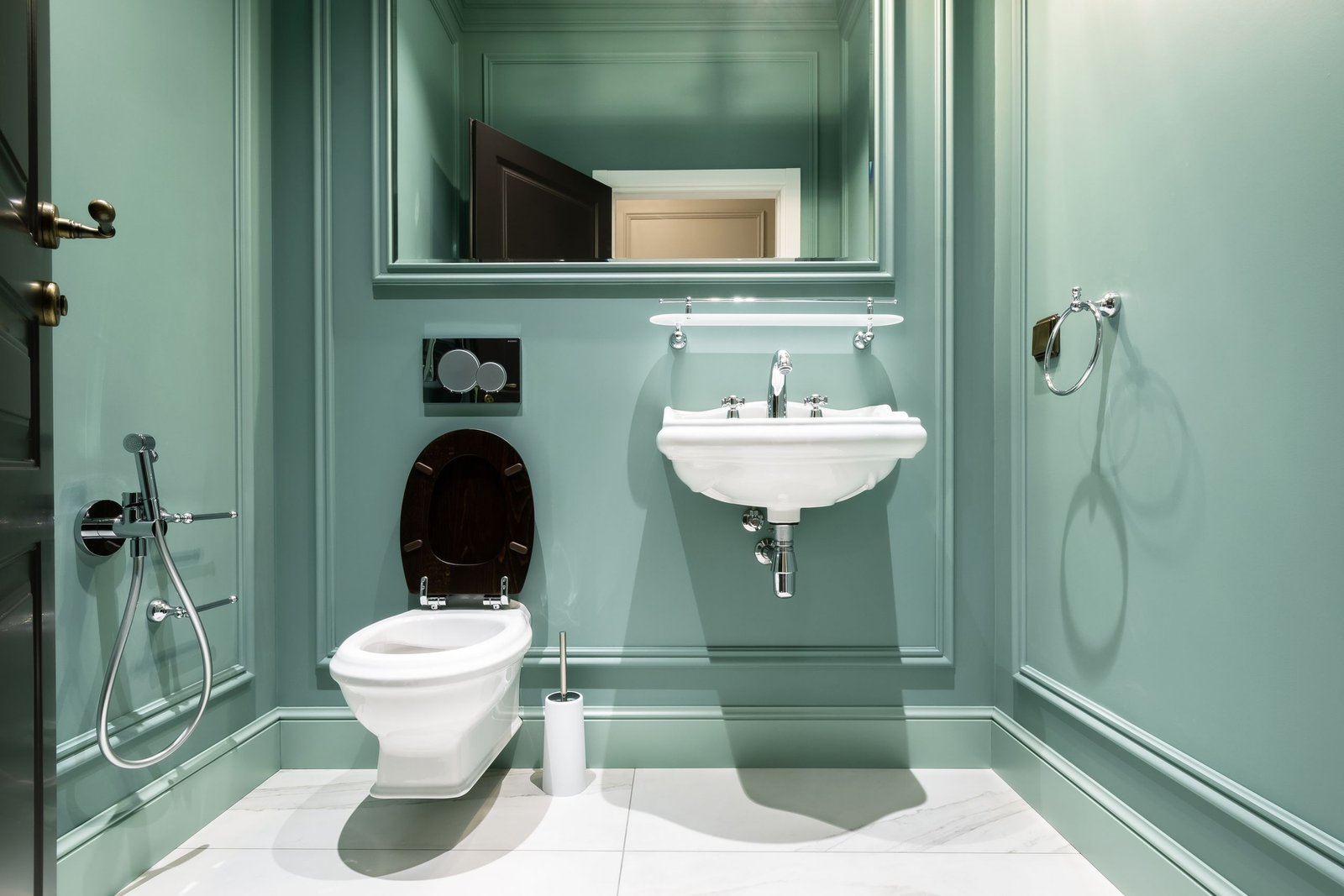
Green bathroom ideas can transform an ordinary bathroom into a space that feels fresh, inviting, and full of character. Whether you prefer soft sage walls, rich emerald tiles, earthy olive cabinetry, or delicate botanical patterns, green offers plenty of possibilities for different decorating styles. Green bathroom ideas The right combination of colors, materials, lighting, and fixtures can help you create a bathroom that reflects your taste without making the space feel overwhelming.
You do not need to renovate the entire room to introduce green. Painting an existing vanity, updating a few accessories, or adding a tiled feature wall can make a noticeable difference. For larger projects, green flooring, coordinated cabinetry, and statement shower tiles can establish a more distinctive design.
The best approach depends on your bathroom’s size, natural light, existing finishes, and budget. These 18 green bathroom ideas explore different ways to use the color, explain which materials complement it, and offer practical guidance for creating a balanced bathroom design.
What Makes Green a Good Choice for Bathroom Design?
Green is a versatile decorating color because it ranges from pale, muted shades to deep, saturated tones. Sage and seafoam can create a gentle appearance, while emerald and forest green provide a stronger visual statement. Green Bathroom Ideas Olive and moss shades offer earthy alternatives that work well with natural wood, beige stone, and warm neutral finishes.
Another advantage is that green can be introduced through almost any major bathroom element. You can use it on walls, cabinetry, shower tiles, flooring, wallpaper, or accessories. Green Bathroom Ideas This flexibility makes green suitable for small refreshes as well as more extensive renovation projects.
The surrounding materials influence the final result. Green paired with white often creates a crisp contrast, while green and wood produce a warmer combination. Green Bathroom Ideas Brass-colored fixtures can introduce warmth, and chrome can provide a cooler, more contemporary finish.
Lighting also matters. A green shade may appear different under daylight than it does under warm artificial lighting. Green Bathroom Ideas Testing paint samples and reviewing tile samples in the actual room can help you avoid unexpected results.
Green bathroom ideas are decorating approaches that use green paint, tiles, cabinetry, wallpaper, fixtures, or accessories to create a coordinated bathroom design. Green can be a subtle accent or the main feature, depending on the selected shade, surface, and complementary materials.
18 Green Bathroom Ideas to Inspire Your Next Refresh
1. Paint the Walls a Soothing Sage Green
Sage green is an excellent starting point if you want to introduce color without making the bathroom feel visually busy. Its muted appearance works with white fixtures, cream-colored textiles, natural wood, and understated metal finishes. It can suit traditional bathrooms, contemporary interiors, and simple minimalist spaces.
Consider painting the walls sage green while keeping the bathtub, sink, and ceiling white. A wooden mirror frame or small shelf can introduce natural texture without competing with the wall color. If the room already has patterned flooring, a relatively simple shade of sage can help the overall design feel coordinated.
The particular sage you choose makes a difference. Some shades lean toward gray, while others have warmer yellow or blue undertones. Green Bathroom Ideas Compare several samples with your existing flooring and countertop before making a decision.
Bathroom paint should be suitable for the intended environment. Follow the manufacturer’s guidance on surface preparation, ventilation, and finish selection. Green Bathroom Ideas Testing samples under both daylight and artificial lighting will also help you understand how the color looks throughout the day.
2. Embrace Moody Moss-Toned Tile
Moss-green tile offers a deeper, earthy alternative to pale green walls. Its rich appearance can make a shower enclosure, bathtub surround, or vanity backsplash stand out without requiring every surface to use the same color.
For a balanced design, combine moss-green shower tiles with a pale countertop, white fixtures, and natural wood cabinetry. The lighter surfaces create contrast, while the green provides depth and texture. Tiles with subtle variations in color or surface finish can add character without introducing another strong pattern.
Moss green can work in both spacious and compact bathrooms. In a smaller room, consider limiting the tile to one wall or a selected section rather than covering every surface. This approach creates a focal point while allowing the remaining finishes to keep the design visually balanced.
Lighting is especially useful when working with darker tiles. Plan suitable general lighting and mirror lighting so the bathroom remains functional. Before purchasing, confirm that the selected tile is appropriate for the intended location and follow the required installation and maintenance instructions.
3. Give the Vanity a Green Makeover
A green vanity is a practical way to introduce color without replacing the entire bathroom. Green Bathroom Ideas If your existing cabinets are structurally sound, changing their finish can provide a noticeable update while allowing the countertop, sink, and other fixtures to remain in place.
Sage green works well for a softer appearance, while olive can complement warm wood and beige finishes. Green Bathroom Ideas Forest green creates a bolder look, particularly when paired with a white countertop and simple hardware. You can also coordinate the vanity with a small green accessory or painted shelf to repeat the color elsewhere.
Preparation is essential when painting existing cabinets. First, identify the cabinet material and check its condition. Clean the surfaces, prepare them as directed by the coating manufacturer, and use a suitable primer and paint system. Allow the finish to cure according to the product instructions before returning the cabinets to regular use.
Hardware can also change the result. Brass-colored handles introduce warmth, chrome provides a cooler contrast, and matte black creates a stronger outline. Compare the hardware with the vanity color and countertop before deciding on the final combination.
4. Make a Statement With Emerald Green Tiles
Emerald green tiles are suitable for bathrooms where color is intended to become a major design feature. Their saturated appearance can bring character to a shower wall, recessed niche, backsplash, or selected area behind a bathtub.
Because emerald is visually strong, it often works best when paired with simpler surrounding materials. White fixtures and neutral countertops allow the tiles to remain the focal point. Green Bathroom Ideas A few brass-colored details can create a warmer combination, while chrome provides a cooler contrast.
Tile shape also affects the finished design. Rectangular tiles can create a familiar, orderly pattern, while smaller tiles introduce more grout lines and surface detail. Green Bathroom Ideas Glossy and matte finishes reflect light differently, so review samples in the actual bathroom before making a final selection.
If you are concerned that emerald will dominate the room, use it on one feature wall rather than throughout the bathroom. This allows you to enjoy the richness of the color without requiring every other element to compete with it.
5. Pair Olive Green With Warm Wood
Olive green and natural wood create an earthy palette that can make a bathroom feel coordinated and comfortable. Olive has a grounded appearance that works with oak, walnut, beige stone, cream-colored towels, and other warm neutrals.
One approach is to use olive-green cabinetry with a wooden mirror frame and a pale countertop. Another option is to keep the vanity neutral and introduce olive through painted walls or selected tiles. Green Bathroom Ideas These combinations allow you to adjust how prominent the green appears.
Wood can provide useful contrast because its grain adds texture without introducing another bold color. However, bathroom conditions must be considered when choosing wooden surfaces. Green Bathroom Ideas Select products and finishes suited to their intended environment, and follow the manufacturer’s care instructions.
Avoid adding too many different wood tones and decorative finishes at once. Green Bathroom Ideas Choosing one main wood tone and repeating it in a few places can help the room look intentional. Olive cabinetry, a matching shelf, and neutral walls may provide enough detail without making the bathroom feel crowded.
6. Keep Things Airy With Seafoam Green
Seafoam green is a pale, soft option for anyone who prefers a lighter bathroom palette. It works with white sinks, light countertops, simple mirrors, and understated fixtures. The result can be colorful without becoming visually dominant.
You might use seafoam on the vanity and keep the walls white, or choose seafoam wall paint with neutral cabinetry. A small area of seafoam tile can also introduce color while allowing the rest of the room to remain simple.
Pay attention to the undertones of the shade. Some seafoam colors lean toward blue, while others look greener or warmer. These differences can affect how the color works with existing flooring, countertops, and metal finishes.
To keep the design cohesive, repeat the shade in a small number of places. For example, seafoam cabinetry could be paired with a similarly toned bath accessory or towel. There is no need to match every item exactly; the goal is to create a clear relationship between the main surfaces and smaller details.
7. Try Classic Green Subway Tile
Green subway tile combines a familiar rectangular shape with a more colorful finish. Green Bathroom Ideas It can suit traditional bathrooms, transitional interiors, and contemporary spaces, depending on the shade, grout color, and arrangement.
A running-bond layout creates a classic appearance, while vertically stacked tiles provide a more modern feel. Green Bathroom Ideas Horizontal stacking offers another clean option. Green subway tiles can be used behind a vanity or in a shower area when the selected product is suitable for that application.
Grout changes the visual effect. A close color match makes the tiled surface look more continuous, while contrasting grout emphasizes the shape of each tile. Green Bathroom Ideas Neither option is universally better; the right choice depends on whether you want the tile arrangement to stand out.
Before installation, review a sample with the actual grout color and nearby finishes. Check the product specifications, installation requirements, and maintenance instructions. Green Bathroom Ideas These practical details are especially important when tiles are used in areas exposed to frequent moisture.
8. Create Drama With Forest Green Walls
Forest green is a rich shade that can give a bathroom a distinctive character. Green Bathroom Ideas It works with white fixtures, cream-colored textiles, dark wood, and selected warm metal finishes. Depending on the layout, it can create a dramatic feature wall or form part of a more coordinated color scheme.
For a balanced arrangement, consider forest-green walls with a white bathtub and a simple mirror. Green Bathroom Ideas If you want to introduce additional texture, use a wooden vanity or a countertop with subtle natural variation. Keeping other decorative elements restrained helps the deeper green remain the central feature.
In bathrooms with limited daylight, consider how the paint will look under artificial lighting. Suitable ceiling lighting and mirror lighting can improve everyday visibility and help the room remain practical. Pale surfaces may also provide contrast against the darker walls.
You do not have to paint every wall forest green. A single wall behind the vanity or bathtub can introduce the shade while leaving other surfaces lighter. Test samples before deciding how much of the room to cover.
9. Add Botanical Wallpaper
Botanical wallpaper offers a way to bring green into a bathroom through leaves, branches, flowers, and other nature-inspired patterns. It can create a decorative focal point without requiring extensive tilework.
For a softer design, choose a subtle leafy pattern with a pale background. If you prefer a more expressive appearance, larger botanical motifs can create a stronger visual feature. Wallpaper behind a vanity or in a separate powder room can introduce pattern while leaving the remaining surfaces relatively simple.
Consider the rest of the room before choosing a print. If the floor already contains a busy pattern, a simpler wallpaper design may be easier to coordinate. If the walls and fixtures are plain, a more detailed pattern can provide the visual interest.
Moisture suitability is essential. Not every wallpaper is appropriate for damp environments or direct water exposure. Check the manufacturer’s guidance for the intended location, surface preparation, adhesive, ventilation, and cleaning. Do not assume that a decorative wallpaper product can be used inside a shower or another area exposed to repeated splashing.
10. Make a Small Bathroom Feel Thoughtfully Designed
Small bathrooms can accommodate green in several ways. A compact vanity, a well-positioned mirror, and a consistent color palette can help the room feel organized without introducing unnecessary visual clutter.
Sage-green walls paired with white fixtures provide one option. A dark green vanity against a light wall offers another. You could also use green tile in a selected area, allowing the remaining surfaces to provide contrast.
A small bathroom does not automatically need pale colors. Dark green can work when the design balances the shade with appropriate lighting, practical storage, and complementary finishes. The important consideration is how the overall arrangement functions, not simply whether the main color is light or dark.
Measure the available space before making changes. Consider door clearance, storage needs, movement around the sink, and access to the shower or bathtub. A thoughtful layout can be more useful than adding decorative features that take up valuable space.
11. Warm Up Green With Brass Fixtures
Brass-colored fixtures and hardware can complement green by introducing a warm metal finish. Depending on the chosen shade and material, this combination can suit traditional, contemporary, or nature-inspired bathrooms.
For example, olive-green cabinetry can work with warm wood and brass-colored handles. Forest-green walls can be paired with selected brass details to create contrast. If you prefer a more understated look, use the finish on only a few items, such as cabinet hardware or a mirror frame.
Chrome offers a cooler, brighter alternative, while matte black provides a more graphic contrast. The choice depends on your preferred style and the other finishes in the room.
When selecting hardware, compare actual samples with the green paint or tiles. Brass finishes vary in tone, and the same name may describe products with different appearances. Repeating one finish in a few places can create a coordinated design without requiring every metal component to match perfectly.
12. Introduce a Green-and-White Palette
Green and white create a flexible combination that works across many bathroom styles. White provides contrast, while green adds color through tiles, paint, cabinetry, or accessories. This pairing can feel restrained or bold depending on the green you choose.
For a simple design, use green tiles behind the vanity and keep the countertop and sink white. Alternatively, paint the vanity green while maintaining white walls and a light-colored floor. Green-and-white patterned flooring can also become a focal point when the remaining finishes are plain.
The shade influences the overall result. Sage and seafoam create a softer contrast, while emerald and forest green stand out more strongly against white. Green Bathroom Ideas Consider how much color you want to see throughout the room before choosing the distribution.
To bring the design together, repeat green in a few small details, such as towels or a soap dispenser. Green Bathroom Ideas These elements can connect the main color feature with the rest of the bathroom without making every surface identical.
13. Contrast Green With Soft Pink
Green and soft pink create a distinctive color combination that can make a bathroom feel more expressive. Pink does not have to cover a large area to make an impression. Green Bathroom Ideas Towels, small decorative items, or a subtle floral pattern can introduce the color alongside green walls or tiles.
Muted pinks can work with sage and olive, while pale blush can provide contrast against deeper green shades. Green Bathroom Ideas The exact result depends on the undertones of both colors, so it helps to compare fabric swatches or samples before deciding.
If your bathroom already contains patterned tiles or botanical wallpaper, use pink selectively. Too many prominent colors and patterns can compete with one another. Start with one or two accessories and assess how they work with the existing finishes.
This combination can be adapted to different budgets because small accessories are relatively easy to change. If you later prefer a more neutral design, replacing the pink details does not require changing the green surfaces.
14. Use Vertical Green Tile for a Modern Look
Vertically stacked green tiles can give a bathroom a contemporary appearance. Their arrangement creates a different visual rhythm from traditional horizontal layouts and can emphasize the proportions of the tiled area.
Use this approach behind a vanity, within a shower, or on another suitable wall. Muted green creates a restrained look, while deeper shades make the tilework more prominent. Simple mirrors, streamlined fixtures, and uncomplicated countertops can complement the vertical pattern.
Tile proportions matter. Long, narrow tiles produce a different effect from short rectangular pieces, even when both are arranged vertically. Grout color also influences how strongly each tile stands out.
Before installation, plan the layout around corners, niches, taps, and other fittings. Check the product’s intended use and follow the specified installation method. Good planning helps the finished design look deliberate and avoids awkward cuts around important features.
15. Color-Drench the Bathroom in Green
Color-drenching uses one coordinated color across several surfaces instead of limiting it to a small accent. Green Bathroom Ideas In a bathroom, this might involve green walls and trim, or walls coordinated with painted cabinetry.
Sage green can create a softer version of this look, while forest green provides a more dramatic effect. Green Bathroom Ideas To prevent the room from appearing flat, introduce differences in texture through tile, towels, wood, stone, and metal finishes.
You can also use variations in surface sheen to distinguish elements while keeping the color palette consistent. However, different products may display the same shade differently, Green Bathroom Ideas so compare samples before using them across multiple surfaces.
Color-drenching works best when the overall arrangement has a clear direction. Consider the flooring, countertop, major fixtures, and lighting before choosing the dominant green. Green Bathroom Ideas Test the color on the intended surfaces and confirm that the products are suitable for bathroom conditions.
16. Let Green Floor Tile Anchor the Room
Green floor tile can provide a colorful foundation for the rest of the bathroom. Green Bathroom Ideas It allows you to keep the walls neutral while introducing character through the floor. Depending on the selected pattern and shade, the result can be subtle or visually striking.
A solid green floor can work with white fixtures and simple cabinetry. Green Bathroom Ideas Patterned tiles offer a more decorative option, particularly when the surrounding walls are plain. Small-format mosaics introduce additional grout lines and texture, while larger tiles create a different visual effect.
The practical requirements of flooring should guide your selection. Green Bathroom Ideas Check that the product is intended for bathroom floor use and review its slip-resistance information. Surface texture, tile dimensions, installation, drainage, and maintenance can all affect suitability.
If you choose a strongly patterned green floor, keep the other major surfaces relatively simple. Green Bathroom Ideas This allows the flooring to remain the main feature while helping the bathroom feel coordinated.
17. Make the Bathtub Stand Out Against Green
A bathtub can become a focal point when placed against a contrasting green wall or tiled surface. A white freestanding tub against forest-green paint, for example, creates a clear distinction between the fixture and its background. A claw-foot tub can suit a traditional design, while a simple modern tub works with contemporary finishes.
Keep the surrounding decoration restrained so the bathtub remains the main feature. If the wall already contains patterned green tiles, choose simpler accessories and avoid introducing several competing patterns nearby.
Practical planning matters as well. Check that the bathtub fits the available space and allows comfortable access for cleaning and daily use. Plumbing, ventilation, and any structural changes should be considered before work begins.
If the bathroom is being renovated, make sure the proposed arrangement works with the existing layout and intended use. A visually attractive design should remain functional and accessible.
18. Start Small With Green Accessories
Green accessories provide an easy way to try the color without making permanent changes. Towels, bath mats, soap dispensers, storage baskets, and other useful items can introduce green to a neutral bathroom. This approach is especially suitable for renters or anyone who wants to update a room gradually.
Choose accessories that complement the existing finishes. Sage towels can work with a pale palette, while emerald details provide stronger contrast against white surfaces. You can also combine different green shades if they share a compatible undertone or are balanced by a common neutral.
Start with a few items rather than buying everything at once. See how the colors look together in the actual bathroom before adding more. Accessories should support the design and serve a practical purpose rather than create clutter around the sink or bathtub.
This is also a flexible option if your preferences change. Replacing towels and small decorative items is easier than repainting walls or installing new tile, making accessories a useful starting point for experimenting with green.
How to Choose the Right Shade of Green for Your Bathroom
Consider Natural and Artificial Lighting
Lighting influences how green paint, tile, and fabric appear. Daylight changes throughout the day, while artificial bulbs can make a shade look warmer or cooler. Glossy and matte finishes may also reflect light differently.
Test paint samples in the bathroom rather than relying only on photographs or small color chips. View them at different times of day and under the lighting you normally use. If you are selecting tiles, review several pieces together to understand their color and texture variation.
Match Green to Your Preferred Design Style
Different greens can support different decorating preferences, although the exact appearance varies by product.
- Sage green: A muted option for understated interiors.
- Olive green: An earthy shade that often pairs well with warm wood.
- Moss green: A deeper color suited to selected feature surfaces.
- Emerald green: A saturated shade for expressive tilework or accents.
- Forest green: A rich color for dramatic walls and cabinetry.
- Seafoam green: A pale, soft shade for a lighter palette.
These descriptions are starting points rather than strict rules. Compare physical samples with the bathroom’s existing materials before making a final choice.
Coordinate Green With Wood, Stone, and Metal
Green can complement white, cream, beige, natural wood, and several metal finishes. The most effective combination depends on the green’s undertones and the materials already present.
Start with elements that are difficult or expensive to replace, such as flooring, countertops, and major fixtures. Select a green that works with these existing features rather than choosing a shade first and trying to make every other element match it.
Repeating a few materials can create continuity. For example, a green vanity, a wood-framed mirror, and a matching storage shelf can feel connected without making the bathroom look overly coordinated. A restrained selection of finishes usually gives each element room to stand out.
Quick Comparison: Which Green Bathroom Idea Should You Choose?
| Option | Best for | Key benefit | Consideration |
| Sage green paint | Subtle bathroom refreshes | Soft, adaptable color | Appearance varies with lighting |
| Moss green tile | Shower walls and feature areas | Rich color and texture | Requires thoughtful lighting and finish choices |
| Green vanity | Partial renovations | Adds color without retiling | Existing countertops and hardware affect the result |
| Emerald green tile | Statement designs | Strong visual impact | Can dominate if used extensively |
| Green accessories | Renters and smaller budgets | Easy to update | Creates a more limited transformation |
Paint and accessories can refresh a bathroom without replacing major surfaces. A vanity makeover offers a more noticeable change, while tile creates a longer-term design feature. Consider the level of work you want to undertake, the condition of the existing bathroom, and the amount of color you want to introduce.
How to Create a Green Bathroom Design
If you are unsure where to begin, follow these steps to develop a coordinated design:
- Choose a green shade. Decide whether you prefer a soft, earthy, or dramatic appearance.
- Test samples in the room. Check paint and tile colors under the bathroom’s actual lighting.
- Select complementary materials. Compare green with your existing flooring, countertops, fixtures, and cabinetry.
- Balance darker colors. Consider lighting, mirrors, and lighter surfaces when using deeper greens.
- Check product suitability. Confirm that paint, wallpaper, tiles, and flooring are suitable for their intended locations.
- Add supporting details. Use accessories, hardware, and textiles to connect the main elements.
The steps can be adjusted to suit a small refresh or a larger renovation. You do not need to change every surface at once to create a cohesive result.
Common Mistakes to Avoid With Green Bathroom Designs
Choosing Paint Based Only on a Photograph
Online images are useful for inspiration, but lighting, camera settings, and surrounding colors affect how a shade appears. Test samples in your own bathroom before committing to a full paint job.
Combining Too Many Strong Colors and Patterns
Green tile, patterned wallpaper, decorative flooring, and colorful cabinetry can compete for attention when used together. Choose one main feature and allow the other elements to support it.
Ignoring Lighting With Darker Shades
Deep green may look different in a dim room than in a brightly lit photograph. Plan suitable lighting for everyday tasks and review the selected color under the actual lighting conditions.
Selecting Products Without Checking Their Suitability
Not every paint, wallpaper, tile, or wood finish is suitable for every bathroom surface. Check the manufacturer’s instructions for intended use, preparation, installation, and maintenance.
Choosing Floor Tile Without Considering Slip Resistance
A floor’s appearance does not establish whether it is appropriate for wet use. Review the product specifications and intended applications before selecting bathroom flooring.
Assuming Small Bathrooms Must Use Light Colors
Light colors can suit compact bathrooms, but they are not the only option. Dark green can work as a feature or throughout a coordinated design when the lighting, layout, and contrasting finishes are considered.
Renovating More Than Necessary
A full renovation may not be required to achieve the desired look. Painting a suitable vanity, replacing accessories, or updating one wall can be a reasonable starting point when the existing bathroom remains functional.
Frequently Asked Questions About Green Bathroom Ideas
What Shade of Green Is Best for a Bathroom?
The best shade depends on your preferred style, existing finishes, and lighting. Sage and seafoam offer softer color, olive and moss create an earthy appearance, and emerald or forest green provide a stronger visual statement. Test samples in the actual room before deciding.
What Colors Go Well With Green Bathroom Tiles?
White, cream, beige, and natural wood can complement many green tiles. Brass-colored finishes can add warmth, while chrome offers a cooler contrast. Soft pink can introduce another color when used selectively. The best pairing depends on the green’s undertones and the bathroom’s existing materials.
Is Green a Good Color for a Small Bathroom?
Yes. Green can work in small bathrooms when the shade, lighting, and surrounding finishes are coordinated. Pale green may support a softer look, while dark green can create a distinctive feature. Mirrors, suitable lighting, and uncluttered surfaces can help maintain a balanced design.
How Can I Decorate a Green Bathroom on a Budget?
Start with changes that do not require replacing major fixtures. Green towels, a bath mat, soap dispensers, or other useful accessories can introduce color at a modest scale. Painting a suitable vanity may also be an option if the cabinets are in good condition and the correct preparation and coating are used.
How Do I Keep a Dark Green Bathroom From Looking Too Dark?
Balance dark green with contrasting surfaces, suitable lighting, and a considered layout. White fixtures, a pale countertop, mirrors, and lighter textiles can provide contrast. Test the shade in the actual room before using it across several surfaces, particularly when natural daylight is limited.
How Do I Make a Green Bathroom Look Modern?
Choose a restrained palette, streamlined fixtures, and coordinated finishes. Vertically stacked green tiles, a simple vanity, and clean-lined mirrors can support a contemporary look. Modern styling does not require removing every decorative detail; the key is keeping the main elements connected.
Should I Paint My Bathroom Green or Install Green Tiles?
Paint is generally easier to update, while tile creates a more permanent surface. Consider the budget, intended location, maintenance requirements, and condition of the existing bathroom. For either option, confirm that the chosen product is suitable for the surface and moisture conditions.
Why Does Green Paint Look Different From the Sample?
Lighting, surrounding colors, surface texture, and paint finish can all affect how a shade appears. A green that looks subtle in daylight may appear deeper under artificial lighting. Test the paint in the actual room and view it under the conditions in which the bathroom will normally be used.
Bring Your Favorite Green Bathroom Idea to Life
Green can work in a bathroom through a small accessory update, a painted vanity, a feature wall, or a more extensive tile renovation. Sage and seafoam offer softer approaches, while olive, moss, emerald, and forest green provide different ways to introduce richer color.
Before making changes, consider the bathroom’s lighting, existing finishes, practical requirements, and your budget. Test colors in place, compare materials together, and check product specifications for their intended use. These steps can help you select a design that looks coordinated and remains practical for everyday life.
Ready to refresh your bathroom? Choose a shade of green that suits your style, then build your design around complementary colors, textures, and finishes. Whether you start with a sage-painted vanity, moss-green tiles, or a few carefully chosen accessories, a thoughtful update can give your bathroom a fresh, personal feel.
