
Choosing what size rug for living room spaces is easy once you have a few numbers. Most people buy a rug that is too small because it costs less, and the result is a rug that looks like a doormat in the middle of the floor. What Size Rug for Living Room This guide gives you exact measurements, a size chart and clear rules, so you can choose with confidence.
The Quick Answer
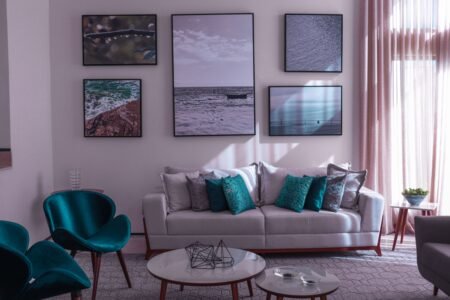
For most living rooms, the best rug is large enough that at least the front legs of every seat sit on it. What Size Rug for Living Room In practice that means:
- Small living room: 160 × 230 cm (5 × 8 ft)
- Medium living room: 200 × 300 cm (6.5 × 10 ft)
- Large living room: 240 × 340 cm (8 × 11 ft)
- Open-plan space: 270 × 360 cm (9 × 12 ft)
Check the rest of this guide to confirm which size fits your room.
Step 1: Measure Your Room and Seating Area
Grab a tape measure and record two things in centimetres:
- Room length and width. Note radiators, door swings and alcoves that limit where a rug can go.
- Seating area. Measure from the outer edge of your sofa to the opposite chair or coffee table, and across the full width of your sofa.
Your rug must cover the seating area, and it must also fit inside the room with a visible floor border.
Step 2: Apply the Five Sizing Rules
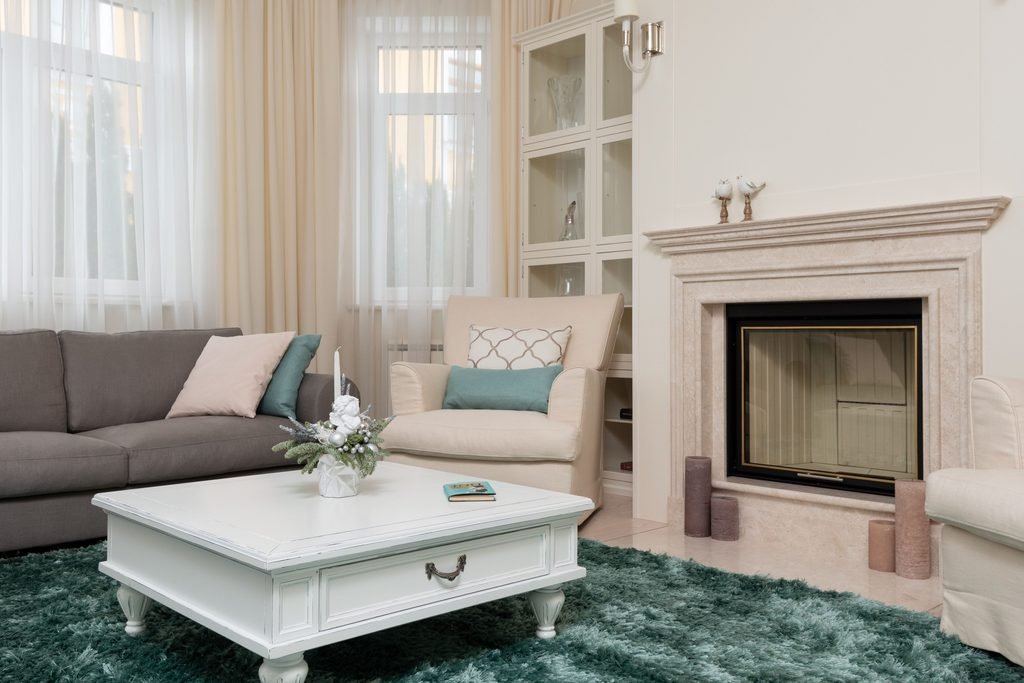
Rule 1: Leave a floor border. Keep 30 cm of bare floor between the rug and each wall as a minimum. Up to 60 cm still looks intentional. Any less and the rug starts to look like wall-to-wall carpet.
Rule 2: Extend past the sofa. The rug should be 20–30 cm wider than your sofa on each side. What Size Rug for Living Room For a 220 cm sofa, that means a rug at least 260 cm wide, or a rug that runs the full length of the sofa if it sits partly under it.
Rule 3: Cover the coffee table. The whole coffee table must sit on the rug with at least 30 cm of rug showing around it.
Rule 4: Keep walkways clear. Leave 75–90 cm between large pieces of furniture so people can walk through without stepping on and off the rug edge.
Rule 5: Go bigger when unsure. A slightly large rug still anchors the room. A small rug leaves furniture looking scattered.
Step 3: Decide Where the Furniture Sits
There are three standard layouts, and each needs a different size.
| Layout | What It Means | Minimum Rug Size | Best For |
| All legs on | Every piece of furniture sits fully on the rug | 240 × 340 cm (8 × 11 ft) | Large rooms, open-plan spaces |
| Front legs on | Only the front legs of the sofa and chairs sit on the rug | 160 × 230 cm (5 × 8 ft) | Most living rooms |
| All legs off | The rug sits in front of the seating, under the coffee table | 160 × 230 cm (5 × 8 ft) | Small rooms |
Whichever layout you choose, treat every seat the same way. What Size Rug for Living Room If the sofa has its front legs on the rug, the armchairs should too. A mix of on and off breaks up the seating area.
Rug Size Chart by Room Size
Use the largest size that fits within your room and still leaves a 30–60 cm border.
| Room Size | Recommended Rug | Feet |
| Up to 3 × 3.5 m | 160 × 230 cm | 5 × 8 ft |
| 3.5 × 4.5 m | 200 × 300 cm | 6.5 × 10 ft |
| 4 × 5 m | 240 × 340 cm | 8 × 11 ft |
| 5 × 6 m or larger | 270 × 360 cm | 9 × 12 ft |
Always check the exact dimensions on the product page, because labels like “medium” and “large” mean different things in different shops.
What Size Rug for a Small Living Room?
A small room needs a rug that is big enough to anchor the seating, so choose 160 × 230 cm (5 × 8 ft). It covers the coffee table and lets the front legs of the sofa rest on the rug. A smaller rug breaks up the floor into pieces and makes the room feel more cramped.
Rugs of 120 × 170 cm (4 × 5.5 ft) are better suited to entryways, reading corners and bedsides than to a main seating area.
Light colours and low pile also help a small room look open.
What Size Rug for a Sectional or L-Shaped Sofa?
Both arms of the sectional need to sit on the rug, at least with their front legs. Start at 240 × 340 cm (8 × 11 ft) for most sectionals. What Size Rug for Living Room If the sofa has a chaise, measure the full footprint, including the chaise, and choose a rug that covers it.
What Size Rug for an Open-Plan Room?
Do not measure the whole open space. What Size Rug for Living Room Measure only the seating zone and treat it as its own room. Choose a rug that holds all the seating in that zone, usually 270 × 360 cm (9 × 12 ft). The rug then defines the living area and separates it from the dining or kitchen space.
Which Direction Should the Rug Run?
Run the long side of the rug in the same direction as the longest side of the room. In a long, narrow room, this makes the space feel wider and keeps the rug in proportion. If your sofa faces the narrow wall, the rug still follows the room, and the sofa sits across the short side.
Rug Shape, Pile and Underlay
- Rectangular rugs suit most layouts, because they match the lines of sofas and tables.
- Round rugs work best under a round coffee table with chairs around it. Choose a diameter of at least 200 cm (6.5 ft).
- Low-pile or flatweave rugs stay flat, wear well in busy rooms and are easy to vacuum.
- Rug underlay stops the rug from sliding, protects the floor and adds cushioning. Buy one that is about 2.5 cm smaller than the rug on every side so it stays hidden.

Common Rug Sizing Mistakes
- Buying too small. This is the most common mistake. If in doubt, move up one size.
- Ignoring the border. A rug that touches the walls loses its shape as a rug.
- Mixing leg placements. Keep every seat consistent.
- Measuring the whole room instead of the seating area in open-plan spaces.
- Forgetting door swings. Check that doors open freely over the rug’s pile height.
- Skipping a tape test. Mark the rug size on the floor with masking tape before you order. What Size Rug for Living Room It takes five minutes and shows you the exact result.
Frequently Asked Questions
What size rug for living room is the most common?
The 200 × 300 cm (6.5 × 10 ft) rug is a reliable choice for medium rooms, and 160 × 230 cm (5 × 8 ft) suits small ones.
Should the sofa sit on the rug?
At least the front legs should. This ties the sofa to the rest of the furniture.
Is it better for a rug to be too big or too small?
Too big. A generous rug still anchors the room, while a small one looks like an afterthought.
How much floor should show around the rug?
Between 30 cm and 60 cm on every side.
Do I need an underlay?
Yes, especially on hard floors. It keeps the rug in place and protects both the rug and the floor.
Final Thoughts
When you wonder what size rug for living room use, start with the seating area, leave a 30–60 cm border, and choose the largest size that fits. What Size Rug for Living Room Measure twice, tape the outline on the floor, and you will get the right rug the first time.