

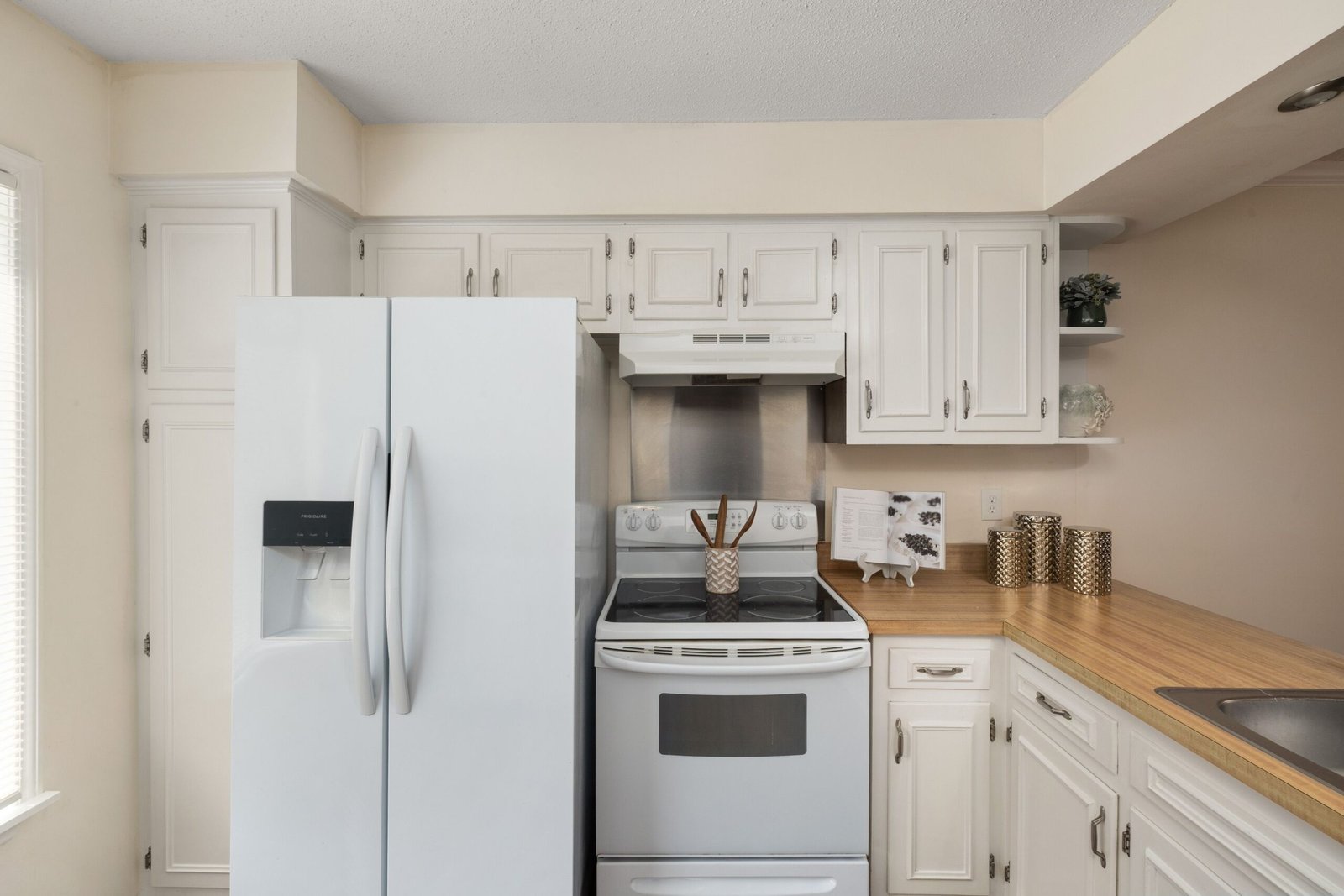
A white kitchen is one of the few design choices that can honestly claim to outlast trends. It reflects light, makes a room feel larger, and works with almost any style, from a country cottage to a sleek city apartment.
It also has a reputation problem. Many people picture a white kitchen as sterile, flat, or “like every listing photo.” That usually isn’t the fault of white itself. White Kitchen Ideas It happens when the white is chosen without thinking about undertones, and when nothing else in the room gives the eye a reason to linger.
These white kitchen ideas fix that. You’ll learn how to pick the right shade, how to add warmth with wood and metal, how to use tile and lighting to create depth, and how to keep the whole thing looking fresh once you’re living in it. White Kitchen Ideas Every idea includes the reasoning behind it, so you can adapt it to your own space rather than copy a photo.
First, Understand What Makes a White Kitchen Work
Before the ideas, it helps to know the three things that separate a layered white kitchen from a flat one.
Undertone. Every white leans slightly warm (yellow, cream, or pink) or slightly cool (gray, blue, or green). A warm white feels cozy and works well in rooms that get less sun. A cool white feels crisp and suits bright rooms with plenty of daylight. Problems start when you mix undertones without meaning to, such as a creamy cabinet next to a stark blue-white countertop.
Texture. When a palette is restrained, texture does the work that color usually does. Think glossy tile against matte paint, brushed metal against smooth stone, or woven stools against painted cabinetry.
Contrast. A kitchen needs at least one element that is clearly not white. This can be a wooden island, a dark countertop, or black fixtures. Even one deliberate contrast gives the room structure.
Keep these three in mind as you read. Nearly every idea below is an application of one of them.
How to Choose the Right White Paint
Paint is the most common place to go wrong, so it’s worth slowing down here.
Test samples on the actual wall or cabinet, not just a chip. White Kitchen Ideas Paint a large swatch (roughly a square foot or more) and look at it in the morning, at midday, and in the evening. A white that looks soft at noon can turn gray or yellow under evening bulbs.
A few shades are frequently used by designers, and they show how different whites behave:
- Benjamin Moore Simply White is a clean white with a slight warmth.
- Benjamin Moore White Dove is a softer, creamier white that is popular on cabinetry.
- Benjamin Moore Chantilly Lace is a bright, crisp white with little visible undertone.
- Sherwin-Williams Alabaster is a warm, soft white that reads gentle rather than stark.
- Farrow & Ball Wimborne White is a warm white with a subtle yellow lean.
- Farrow & Ball School House White is an off-white with a creamy, slightly aged feel.
Brands reformulate and lighting varies, so treat any shade as a starting point and always sample it in your own room.
Finish matters too. Satin or semi-gloss on cabinets is easier to wipe clean. Matte on walls hides small surface flaws and reduces glare.
12 White Kitchen Ideas Worth Trying
1. Start With Shaker Cabinets for a Classic Foundation
Shaker doors have a flat center panel and a simple frame. That single recessed detail casts tiny shadows, which adds depth to a surface that would otherwise look like one flat sheet of color.
This is the safest starting point if you want a white kitchen that won’t look dated in ten years. It suits traditional, farmhouse, transitional, and even modern homes, depending on the hardware you pair with it. Slim bar pulls push it modern. Cup pulls and knobs push it toward farmhouse.
If you want a slightly more elevated look, consider a shaker door with a narrower frame. It reads cleaner and more contemporary.

2. Add a Wooden Island for Instant Warmth
If you only make one change to keep a white kitchen from feeling cold, make it this one. White Kitchen Ideas A wood-toned island sits at the center of the room, so it influences the whole space.
Walnut gives a deep, rich look. White oak feels lighter and more Scandinavian. White Kitchen Ideas A stained island in a mid-tone suits traditional rooms. The key is to repeat the wood somewhere else, such as bar stools, a floating shelf, or a cutting board display, so the island looks intentional rather than like a single odd piece.
If a full wood island isn’t possible, a butcher block countertop on an otherwise white island delivers a similar effect at a smaller scale.
3. Pair White Cabinets With Dark Countertops
White upper and lower cabinets with a black or very dark countertop create a graphic, high-contrast look. Soapstone, honed black granite, and dark quartz all work.
The practical bonus is that dark, honed surfaces can be forgiving of everyday marks, though soapstone in particular can show scratches that are usually rubbed out with mineral oil. Whatever material you choose, ask for a physical sample and live with it at home for a few days.
Balance the contrast by keeping the backsplash light. A dark counter with a dark backsplash can make a small kitchen feel heavy.
4. Choose Hardware That Complements the Whole Room
Hardware is jewelry for a white kitchen, and the finish you pick sets the mood.
- Brass or gold-tone adds warmth, which is helpful in cool, bright rooms.
- Polished or brushed nickel feels quieter and works well when wood, floors, or stone already bring plenty of warmth.
- Matte black gives a crisp, graphic outline against white doors.
- Chrome reads clean and slightly more traditional.
The rule of thumb is to balance, not match. White Kitchen Ideas If the room is already warm with oak floors and creamy stone, a cool metal will keep it from feeling one-note. If the room is cool and bright, warm metal softens it.
Keep the finish consistent across cabinet pulls, faucet, and lighting where you can. Mixing two metals can work, but limit it to two.
5. Layer Color Through Decor, Not Permanent Surfaces
A white kitchen is a very good backdrop for color, and the smartest way to use that is through things you can change easily: stools, a runner, dish towels, a bowl of fruit, a piece of art, or fresh herbs on the sill.
This approach has a real advantage over painting cabinets or choosing a colored stone. Trends shift, and your taste will too. When color lives in decor, refreshing the kitchen costs very little and takes an afternoon.
If you want more commitment than that, consider painting only the island or the lower cabinets, and keep the uppers white. White Kitchen Ideas This is a common way to add color while keeping the room light.
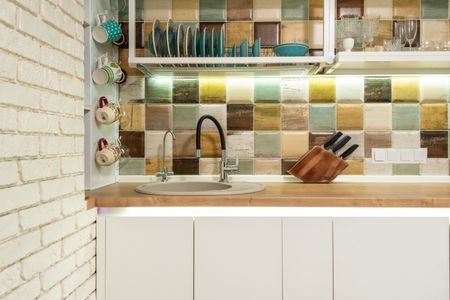
6. Use Glossy Tile to Bounce Light and Add Texture
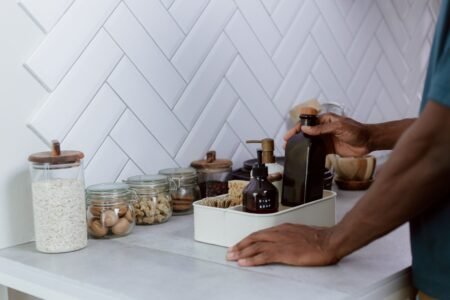
Backsplash tile is where a white kitchen can show personality without adding color. White Kitchen Ideas Glazed tiles, such as handmade-style zellige, crackle-glazed ceramic, or classic subway tile, reflect light and show slight variation from tile to tile. That variation is what makes a surface look rich rather than flat.
Grout color changes the effect. White grout keeps the look seamless and calm. Slightly darker grout outlines each tile and adds a graphic quality.
For a more modern look, run slab stone up the wall in place of tile. This reduces grout lines, which also makes cleaning easier.
7. Take the White Up the Walls, but Keep One Element Distinct
White walls with white cabinets can look seamless and airy, but they need something to anchor the eye. A wooden beam, a darker floor, a colored range, or a stone backsplash can all play that role.
If you use two different whites, make the difference deliberate. A slightly warmer cabinet against a crisper wall color can look intentional, as long as the gap is clear. Two whites that are almost the same tend to look like a mistake.
8. Use Applied Molding and Panelling for Depth
Plain slab doors are clean but can feel flat in an all-white room. Adding applied molding, beadboard, or paneled end panels gives cabinetry a custom, furniture-like finish.
Small details work well here: a paneled dishwasher front, a decorative range hood surround, crown molding that runs to the ceiling, or paneled sides on the island. Each one catches light differently, which is exactly the effect you want in a monochrome room.
9. Try Glass-Front Cabinets to Break Up Solid Runs
A long wall of closed white doors can feel heavy. White Kitchen Ideas Replacing a few upper cabinets with glass-front doors creates a break in the rhythm. It also reflects light, and it lets you display dishes or glassware.
Add interior lighting, such as small LED strips, and the cabinets become a soft glow in the evening. Reeded or fluted glass is a good compromise if you want the lightness of glass without showing everything inside.
Keep what’s displayed edited. Cohesive white or neutral dishware looks calm. White Kitchen Ideas A random mix of items can make the kitchen look cluttered.
10. Bring in Terracotta and Natural Materials
For a relaxed, Mediterranean feel, pair white walls and cabinets with terracotta floor tiles, clay pots, and rustic wood. The warm orange-brown of terracotta is a natural partner for white.
Terracotta is porous, so it generally needs sealing, and it’s worth asking your installer what sealant and maintenance routine suits your specific tile. Pre-sealed options are available and reduce the upkeep.
Other natural materials that work well include rattan, linen, leather, and unlacquered brass, which develops a patina over time.
11. Make Small Kitchens Feel Larger
White is especially helpful in compact kitchens, but a few choices make a bigger difference than the paint color alone.
- Keep the palette tight. Using the same white on walls, cabinets, and trim reduces visual breaks and makes the room read as larger.
- Choose reflective surfaces. Glossy tile, glass fronts, and polished fixtures bounce light around.
- Go handleless or use slim pulls. Fewer visual interruptions keep the lines clean.
- Use open shelving selectively. One or two shelves can feel airy, but too many can create clutter in a small room.
- Extend cabinets to the ceiling. This adds storage and removes the dust-collecting gap above the uppers.
- Pick compact appliances if needed. A narrower range or a counter-depth refrigerator can free up floor space.
12. Layer Your Lighting
Lighting is the most overlooked part of a white kitchen, and it affects how every surface looks. White Kitchen Ideas Plan three layers:
- Ambient lighting for overall brightness, such as recessed ceiling lights or a flush mount.
- Task lighting for work areas, such as under-cabinet lights over the counters.
- Accent lighting for character, such as pendants over the island or lights inside glass cabinets.
Pay attention to bulb color temperature, measured in Kelvin. White Kitchen Ideas Around 2700K to 3000K gives a warm glow that flatters white and wood. Higher numbers feel cooler and more clinical. Using the same temperature across all fixtures keeps the whites looking consistent.
Countertops That Work With White Cabinets
White cabinets go with almost any counter, so the choice often comes down to lifestyle.
- Marble is classic and beautiful, with soft veining. White Kitchen Ideas It is a natural stone that can etch when it contacts acids such as lemon juice or wine, and it can stain, so it suits people who accept a lived-in patina.
- Quartz is engineered, non-porous, and low maintenance, and it is available in marble-look patterns. It is a practical choice for busy households.
- Granite is durable and comes in many colors, including deep black for contrast.
- Soapstone has a matte, inky look and develops a soft patina.
- Butcher block adds warmth and is easy to refinish, though it needs regular oiling and care around water.
Flooring That Grounds a White Kitchen
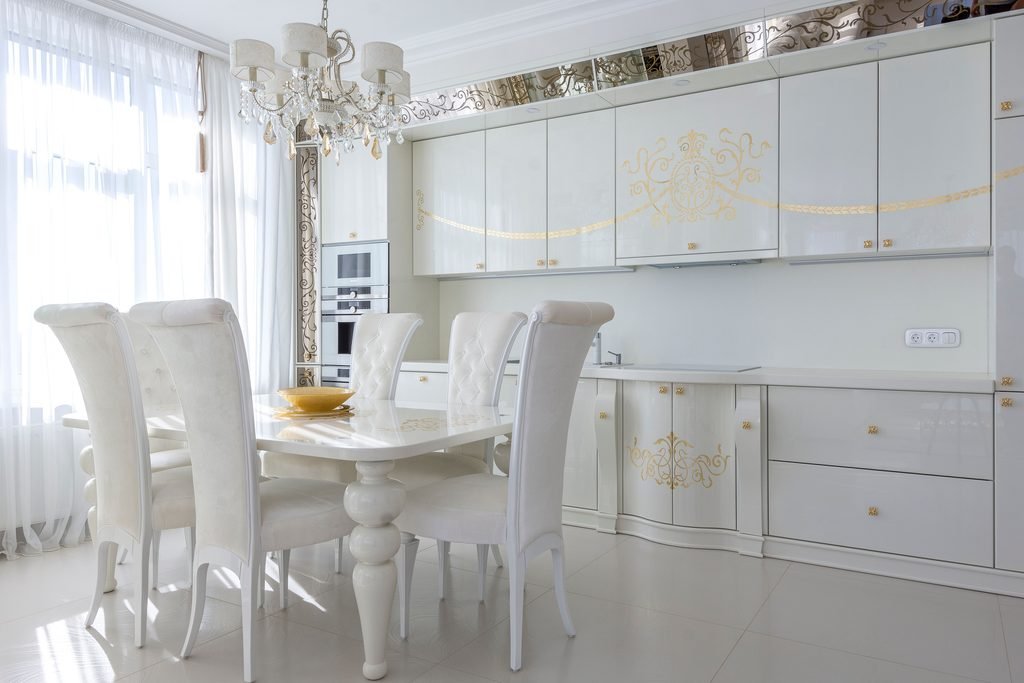
Floors set the base tone. Wood or wood-look flooring adds warmth. Checkerboard tile adds classic character. Patterned encaustic-style tile can be a focal point. Gray stone feels cool and modern. Avoid white floors with white cabinets unless you want an extremely bright, minimal look, because the room can lose definition.
What a White Kitchen Really Costs
Costs vary widely by region, materials, and how much you’re changing, so any single figure would mislead. What is useful is knowing where the money goes and where you can save.
Where to spend: cabinet quality and construction, countertops, and lighting. White Kitchen Ideas These affect daily use and the final look the most.
Where to save: painting existing cabinets instead of replacing them, keeping the layout so plumbing and gas lines stay put, and choosing standard-size stock cabinets rather than fully custom.
Where to be careful: very cheap white finishes can chip or yellow over time, so ask about the finish and warranty before buying.
For an accurate budget, get at least three written quotes and ask what’s included.
How to Keep a White Kitchen Clean
Many people assume white kitchens are hard to maintain. In practice, they show dirt honestly, which means you notice and wipe spills quickly. A little routine goes a long way.
- Daily: wipe counters and any splashes near the stove and sink with a soft cloth and mild soap.
- Weekly: clean cabinet fronts and handles, especially around the pulls where hands touch most.
- As needed: clean grout lines with a method suited to your tile. Sealed grout resists staining better.
- Stone care: follow the maintenance advice for your specific counter, including any sealing schedule.
Avoid harsh abrasives, which can dull glossy finishes. White Kitchen Ideas If you’re unsure about a product, test it on a hidden spot first.
Pros and Cons of a White Kitchen
Pros
- Timeless and unlikely to look dated quickly
- Reflects light and makes rooms feel bigger
- Works with nearly any style and color accent
- Easy to refresh with new decor or hardware
- Often appeals to buyers if you plan to sell
Cons
- Shows splashes and marks readily
- Can feel cold or flat without texture and contrast
- Choosing between many whites can be confusing
- Mixed undertones can look mismatched
Most of the cons come down to planning, which is why undertone, texture, and contrast matter so much.
Frequently Asked Questions About White Kitchen Ideas
Is a white kitchen still in style?
Yes. White remains one of the most widely chosen kitchen colors because it’s flexible and long-lasting. White Kitchen Ideas What changes from year to year is the supporting cast: warmer whites, wood tones, and textured finishes are more common than stark, all-white rooms.
How do I stop a white kitchen from looking boring?
Add layers. Bring in wood, a textured backsplash, mixed lighting, and at least one contrasting element such as dark counters or a colored island. Repeat each material at least twice so the design feels planned.
What color goes best with a white kitchen?
Most colors work. Navy, forest green, and charcoal look striking on an island or lower cabinets. Natural wood and brass add warmth. Soft blue, sage, or blush work for a gentler look.
Should I choose a warm or cool white?
Look at your light. Rooms with limited sun usually benefit from warm whites, which feel inviting. Bright, sunny rooms can handle cool whites. Always check samples at different times of day.
Are white kitchens hard to keep clean?
They show dirt more readily, but that also makes it easier to catch spills before they set. Choose durable, easy-to-wipe finishes and a routine you can keep up.
Final Thoughts
The best white kitchen ideas share one principle: white is the canvas, not the whole picture. White Kitchen Ideas Choose the right undertone, add at least one natural material, layer your lighting, and include some contrast. Do that, and your kitchen will feel warm, personal, and fresh for years.
If you’re just starting, pick two or three ideas from this list rather than trying all twelve. White Kitchen Ideas A wooden island, a textured backsplash, and well-chosen hardware are enough to turn a plain white room into one with real character.