
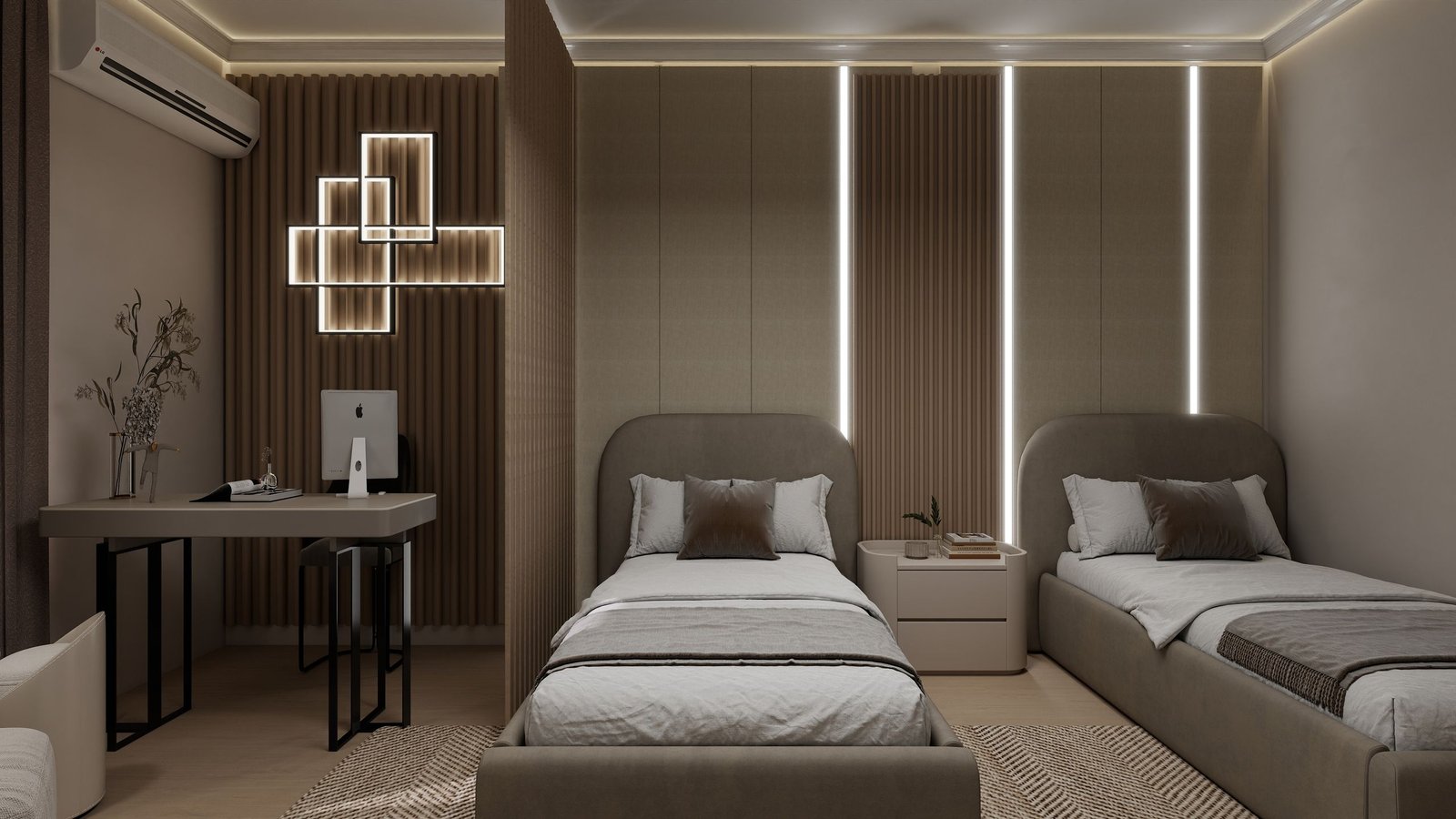
A guest bedroom should feel comfortable from the moment visitors walk through the door. It doesn’t need expensive furniture or a complete renovation. Fresh bedding, practical lighting, useful storage, privacy, and a few thoughtful details can turn an ordinary spare room into a place where guests can relax.
The best guest bedroom ideas balance style with everyday comfort. A beautiful room matters, but visitors also need somewhere to put their luggage, charge their phones, hang clothes, control the lighting, and find fresh towels without asking for help.
Whether you’re preparing for holiday visitors, family staying for several nights, or occasional overnight guests, these ideas can help you create a welcoming room without unnecessary spending.
1. Create a Cozy Bed With Layered Bedding
The bed is the natural starting point for any guest bedroom.
Visitors have different preferences when it comes to warmth, pillows, and bedding. Giving them a few simple options can make the sleeping area feel more comfortable without making it look cluttered.
Start with clean, breathable sheets and a comfortable mattress. Add a duvet, quilt, or blanket, then place a lightweight throw at the foot of the bed for an extra layer.
Choose Comfortable Sheets and Bedding
Fresh bedding can have a bigger impact than decorative accessories. Cotton, linen, and other breathable fabrics can work well, depending on the season and the room’s temperature.
The mattress also matters. If replacing it isn’t practical, focus on clean sheets, a comfortable mattress topper, and suitable pillows.
A 2021 peer-reviewed study involving 609 frequent business and leisure travelers found that factors including uncomfortable bed linens and pillows were associated with guest sleep satisfaction.
Add Pillows, Throws, and Extra Blankets
Keep a couple of extra pillows and at least one spare blanket available.
A basket, storage bench, or closet shelf can hold additional bedding when it isn’t needed. This gives visitors choices without covering the entire bed with decorative layers.
Comfort comes first.
For a budget-friendly update, refresh the existing bedding before buying an entirely new bedroom set.
2. Choose a Relaxing and Welcoming Color Palette
Color can influence how a guest room feels before visitors even settle in.
Warm white, beige, muted green, soft blue, and earthy neutrals can create a calm foundation. These shades also work with a wide range of furniture and decorative styles.
Use Warm Neutrals and Soft Natural Shades
Neutral colors make it easier to change smaller decorative elements later.
For example, warm white walls can work with sage-green bedding, while soft blue accessories can add color without overwhelming the room. The goal isn’t to follow a strict color formula but to create a space that feels cohesive.
Natural light should also influence your choice. A color that looks soft in a bright room may appear different in a darker space.
Introduce Color Through Small Accents
You don’t need to repaint the entire room to introduce personality.
Consider adding color through:
- Cushions
- Throws
- Artwork
- Curtains
- Rugs
- Lampshades
Here’s the thing: small changes can have a surprisingly large visual effect.
If you’re decorating on a limited budget, keep larger pieces neutral and use affordable accessories to introduce color.
3. Add Soft, Layered Lighting
Good bedroom lighting is about flexibility.
A single ceiling fixture may provide enough light for cleaning or getting dressed, but it isn’t always ideal for reading or relaxing at night. Layering different light sources gives visitors more control.
Place a Lamp Within Reach of the Bed
A bedside lamp is one of the most useful additions to a guest bedroom.
Visitors shouldn’t have to cross a dark room to turn off the lights before going to sleep. Place the lamp on a stable nightstand or side table where the switch is easy to reach.
A compact reading light can work particularly well in smaller rooms.
Combine Ambient and Task Lighting
Use the main ceiling fixture for general lighting and a bedside lamp for reading or relaxing.
You can also add another small light near a chair or dressing area if the room has enough space.
Research involving hotel guests has found associations between sleep satisfaction and environmental factors such as lighting and room noise. That makes controllable lighting a practical consideration rather than simply a decorative feature.
Look — if you’re working with a small spare room, here’s what actually works: prioritize one useful bedside light before adding several decorative lamps.
4. Provide Convenient Storage for Guests
A guest room shouldn’t force visitors to keep everything inside their suitcase.
Even a small amount of dedicated storage can make the room feel more welcoming. Clear space in a dresser, closet, or wardrobe so visitors can unpack some of their belongings.
Make Space for Clothing and Personal Belongings
Empty a drawer or two before guests arrive. Provide several hangers and leave enough closet space for coats, shirts, or other clothing.
Wall hooks can also help when closet space is limited.
Guests often appreciate being able to put their belongings away rather than moving them from one surface to another.
Add a Luggage Rack or Storage Bench
A luggage rack gives visitors a convenient place to open and organize a suitcase.
A storage bench can serve two purposes by providing seating while also holding blankets or other items.
If you don’t have either, an existing sturdy bench, low table, or suitable surface can sometimes provide a similar function.
Some hosts may argue that a guest room should look polished above all else. That’s understandable, but a beautiful room becomes less successful when visitors have nowhere to put a suitcase or find an outlet.
5. Make the Most of a Small Guest Bedroom
A guest bedroom doesn’t have to be large to be comfortable.
In fact, many homes don’t have a dedicated guest bedroom. A 2026 survey of 1,011 U.S. adults found that 46% reported having a dedicated guest bedroom, while other respondents reported using living-room couches or air mattresses for overnight guests.
That makes flexible room planning especially useful.
Choose Space-Saving Furniture
Select furniture according to the room’s actual dimensions.
A daybed can provide seating and sleeping space. A sleeper sofa can work when the room doubles as an office or lounge. Under-bed storage can hold spare bedding without taking up additional floor area.
For a very small room, a compact nightstand may be more practical than a large dresser.
Keep the Layout Open and Easy to Navigate
Don’t fill every empty corner.
Maintain a clear path between the doorway and bed. Make sure drawers, closet doors, and windows can open without hitting other furniture.
Appropriately scaled furniture usually works better than trying to fit every possible piece into a small room.
6. Include a Comfortable Seating or Reading Corner
The bed doesn’t have to be the only place where guests can sit.
A small chair, bench, or reading area gives visitors another option for relaxing, putting on shoes, reading, or making a phone call.
Add a Small Chair or Multipurpose Bench
Choose seating that matches the room’s available floor space.
A compact chair may work well in a larger guest bedroom, while a narrow bench can be useful at the end of the bed. In a multipurpose room, choose furniture that can be moved easily when the space changes from office to guest room.
Create a Simple Reading Nook
A reading nook doesn’t need much.
Place a comfortable chair beside a small table and add a reading lamp. A few books or magazines can complete the area without filling the room with unnecessary accessories.
If the bedroom is too small for a chair, a comfortable bench can provide a similar secondary seating option.
7. Decorate With Personal and Thoughtful Details
Decor should make the room feel finished, not crowded.
Artwork, plants, rugs, cushions, curtains, and baskets can introduce texture and personality while supporting the overall design.
Use Artwork, Textures, and Decorative Accessories
Choose accessories that complement the room’s existing colors.
For example, a neutral bedroom might benefit from woven textures, simple artwork, and a small plant. A colorful room can use fewer accessories to prevent visual clutter.
Scale matters too. Large decorative pieces can overwhelm a small room, while tiny items may disappear in a spacious one.
Add a Personal Touch Without Overcrowding the Room
A small welcome note can make visitors feel considered.
You could also leave a book, a water carafe, or a small tray with useful items. These details are more practical than filling every surface with decorations.
I’ve seen different recommendations around guest-room styling, but the practical priority is clear: comfort, accessibility, and flexibility matter more than matching a particular decorating style.
8. Create a Practical Bedside Essentials Station
Small conveniences can make a guest bedroom easier to use.
Think about the things visitors might need late at night or early in the morning. Keeping these items close to the bed reduces unnecessary searching.
Keep Everyday Items Within Easy Reach
A practical bedside setup could include:
- Drinking water
- Tissues
- A clock
- A reading lamp
- Accessible charging space
- A spare blanket nearby
Leave enough room on the nightstand for visitors to place their phones, glasses, books, or personal belongings.
A charging point is particularly useful. If an outlet isn’t close to the bed, consider a safe, accessible alternative rather than forcing guests to search for one.
Share Useful Household Information
Make the Wi-Fi password easy to find.
You can also provide brief information about the thermostat, heating or cooling controls, bathroom arrangements, or anything else visitors may need during their stay.
This gives guests more independence.
They won’t need to ask.
9. Add Privacy and Comfort With Window Treatments
Privacy is an essential part of a welcoming bedroom.
Visitors may have different sleeping schedules, so the ability to control daylight and nighttime privacy can make the room more comfortable.
Choose Curtains or Blinds That Suit the Room
Curtains, blinds, or shades can help control sunlight and provide privacy.
Choose window treatments that suit the room’s proportions. In a smaller bedroom, simple treatments may help maintain an open appearance.
Blackout options can be particularly useful for visitors who sleep later, although they aren’t necessary for every room.
Consider Temperature and Noise
Temperature preferences vary from person to person.
Provide an extra blanket and make heating or cooling controls easy to understand. A fan may also be useful where appropriate.
Noise deserves attention too. Research involving frequent hotel travelers found that unwanted room noise was associated with guest sleep satisfaction.
You can’t eliminate every sound in a home, but you can avoid placing unnecessary noise sources near the bed and explain how guests can adjust the room temperature.
10. Prepare Fresh Towels and Guest Bathroom Essentials
A comfortable bedroom is only part of the guest experience.
Visitors should also know where to find clean towels and basic bathroom supplies.
Provide Clean Towels and Basic Toiletries
Place clean bath and hand towels somewhere visible.
Depending on your household setup, basic supplies might include soap, tissues, toilet paper, and a few spare toiletries. You don’t need to create a full hotel-style bathroom.
Keep it simple.
Make Shared Bathroom Arrangements Clear
If visitors share the bathroom with other household members, explain the arrangement clearly.
A short note can tell them where additional towels are kept or where they can find basic supplies. This is particularly helpful for guests staying several nights.
The goal is to make ordinary needs easy to handle without repeated questions.
How to Prepare Your Guest Bedroom Before Visitors Arrive
A quick preparation routine can make the room feel significantly more organized.
Use this checklist before guests arrive:
- Wash and refresh the bedding.
- Clear drawers and closet space.
- Check that bedside lights work.
- Make sure useful outlets are accessible.
- Remove unnecessary clutter.
- Check the room temperature.
- Test curtains or blinds.
- Place fresh towels where guests can find them.
- Make the Wi-Fi information easy to locate.
- Make sure walking paths are clear.
Don’t wait until visitors arrive to discover that a lamp doesn’t work or the spare blanket is buried under other belongings.
The room should be ready to use.
Frequently Asked Questions About Guest Bedrooms
How do you make a guest bedroom feel welcoming?
Start with clean bedding, comfortable pillows, accessible lighting, clear storage, privacy, and useful amenities such as towels and water. A clutter-free layout also gives visitors enough space to settle in comfortably.
What should every guest bedroom have?
A comfortable sleeping surface, fresh linens, a bedside surface, accessible lighting, clothing storage, luggage space, and suitable window coverings are useful basics. Additional amenities can depend on the room and length of the stay.
How can I decorate a guest bedroom on a budget?
Start with what you already have. Refresh the bedding, rearrange furniture, declutter surfaces, improve bedside lighting, and create empty storage space before purchasing new decorative items.
How do you make a small guest bedroom look bigger?
Choose appropriately scaled furniture and keep walking paths open. Vertical storage, under-bed storage, lighter finishes, and carefully positioned mirrors can help create a more open feeling without structural changes.
What colors work well in a guest bedroom?
Warm white, beige, muted green, soft blue, and earthy neutrals are flexible choices. The best option depends on natural light, existing furniture, and the home’s overall style.
How can a guest bedroom serve another purpose?
Use multipurpose furniture such as a daybed or sleeper sofa. Keep office or hobby equipment organized so the room can quickly transition into a comfortable sleeping space when visitors arrive.
What amenities make overnight guests more comfortable?
Fresh towels, spare blankets, accessible outlets, a bedside lamp, water, tissues, hangers, and the Wi-Fi password are useful options. The goal is to make basic needs easy to handle independently.
Final Thoughts on Creating a Welcoming Guest Bedroom
The most effective guest bedroom ideas don’t have to be expensive or complicated. A comfortable bed, fresh bedding, useful lighting, available storage, privacy, and accessible essentials can make a spare room feel much more welcoming.
Start with comfort and function before buying decorative accessories. Once those basics are covered, add color, artwork, textures, and personal touches that suit your home.
Ready to refresh the room? Start with fresh bedding, convenient lighting, and a little extra storage. Then choose the remaining improvements based on your space, budget, and the way your guests are most likely to use the room.
