
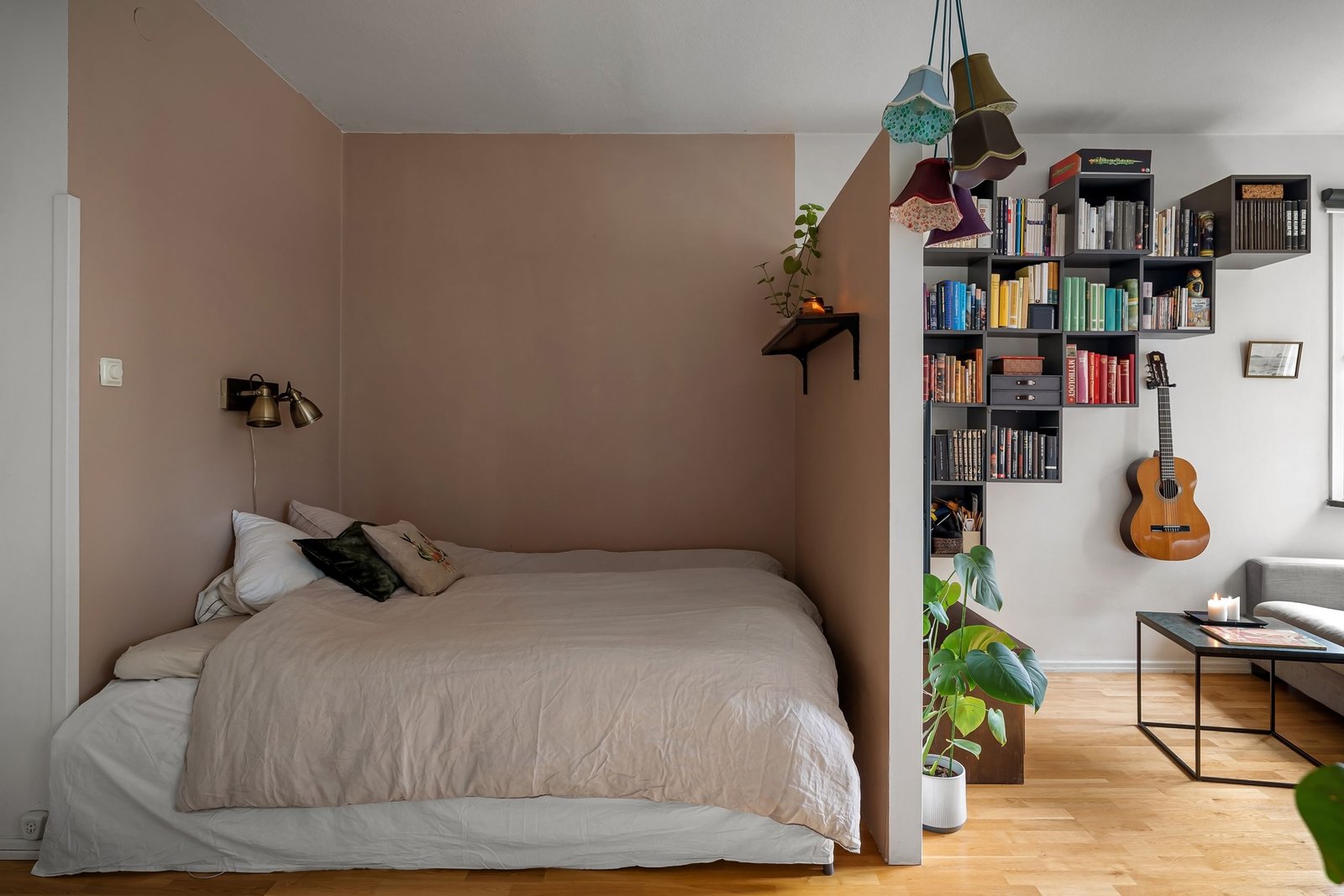
Decorating a small room can feel challenging, especially when you want it to look attractive without making it feel crowded. The good news is that a compact room does not have to sacrifice comfort, personality, or style. With the right furniture, layout, lighting, storage, and color choices, even a limited space can feel organized and welcoming.
The key is not simply choosing smaller versions of everything. Instead, think about how each item works within the room. Furniture should leave enough space to move around, storage should use areas that might otherwise go unused, and decorative pieces should have a clear purpose.
If you are wondering how to decorate a small room, start with the way you use the space. A bedroom, living room, home office, or multipurpose room may need completely different solutions. The following ideas can help you make a compact room more functional while still giving it plenty of character.
Smart Layout and Furniture Strategies
1. Choose Furniture That Fits the Room’s Proportions
The first step in decorating a small room is choosing furniture that suits its actual dimensions. A large sectional sofa may look comfortable in a showroom but overwhelm a compact living room.
Measure the room before buying anything. Consider the width, depth, and height of each piece, as well as how much space will remain for movement.
A smaller room does not necessarily require miniature furniture. One appropriately scaled sofa or bed can work better than several tiny pieces that make the room feel cluttered.
2. Invest in Multifunctional Furniture
When floor space is limited, furniture that serves more than one purpose can make a major difference.
Consider an ottoman that provides seating and hidden storage, a desk that doubles as a vanity, or a sofa bed for a room that occasionally functions as a guest space.
The best multifunctional pieces are those you will actually use. Avoid adding complicated furniture simply because it has multiple features.
3. Use Furniture With Exposed Legs
Furniture with visible legs can create a lighter visual effect because more of the floor remains visible.
A sofa, chair, console, or bed raised slightly from the floor can help the room feel less visually heavy. This approach is particularly useful when several furniture pieces are already competing for attention.
It will not physically create more space, but it can make the existing floor area feel more open.
4. Float Furniture Away From Walls When the Layout Allows
Pushing every piece of furniture directly against a wall may seem like the obvious way to save space. Sometimes it works, but not always.
In certain rooms, slightly floating a sofa or chair can create a more natural arrangement and better circulation. Even a small amount of separation can help establish a defined seating area.
The important thing is to test the layout before committing to it. A floating arrangement should improve movement rather than block it.
5. Choose Round or Nesting Tables
Sharp corners can make tight spaces harder to navigate. A round coffee table or side table can provide useful surface space while making movement around the furniture easier.
Nesting tables are another practical option. They can be separated when needed and pushed together when they are not in use.
For a small room, flexible furniture is often more valuable than furniture that only performs one job.
6. Create Clear Walking Paths
One of the most important answers to how to decorate a small room is to protect circulation.
Before adding another chair, table, basket, or decorative item, consider how people enter, leave, sit, stand, and move through the space.
A room with fewer possessions but clear pathways often feels larger than a room packed with useful furniture that is difficult to navigate.
Clever Storage and Space-Saving Solutions
7. Make Full Use of Vertical Space
When floor space is limited, look upward.
Tall bookcases, cabinets, shelving, and wall-mounted storage can take advantage of areas that might otherwise remain empty. Vertical storage is particularly useful in bedrooms, offices, entryways, and kitchens.
Just be careful not to fill every inch of wall space. Some visual breathing room helps the room feel balanced.
8. Add Floating Shelves
Floating shelves provide storage without taking up floor space.
They can hold books, small plants, framed artwork, baskets, or everyday objects. In a bedroom, they can sometimes replace a traditional bedside table. In a living room, they can create useful display space above a desk or sofa.
Keep the arrangement edited rather than filling every shelf with objects.
9. Choose Beds and Sofas With Built-In Storage
Large furniture pieces can become valuable storage opportunities.
A bed with drawers underneath can hold clothing, bedding, or seasonal items. Some sofas and ottomans also offer concealed compartments.
This approach is especially useful when a room has little space for separate cabinets or storage furniture.
10. Use the Space Behind Doors
The back of a door is easy to overlook, but it can provide surprisingly useful storage.
Depending on the room, an over-door organizer can hold accessories, cleaning supplies, shoes, small household items, or other objects.
Keep the system slim enough that the door can still open and close comfortably.
11. Try Wall-Mounted Nightstands
Traditional bedside tables can consume valuable floor space.
A wall-mounted nightstand or narrow floating shelf can provide a place for a lamp, phone, book, or other nighttime essentials while leaving more floor visible underneath.
This solution works particularly well when the bed is positioned close to a wall.
12. Use Baskets and Decorative Containers
Open storage can quickly become visually messy. Baskets and containers provide a simple way to group smaller belongings together.
Use them for blankets, toys, accessories, paperwork, or other items that tend to accumulate.
The goal is not simply to hide clutter. It is to give frequently used belongings a consistent home.
Lighting and Visual Tricks
13. Use Mirrors to Reflect Light
Mirrors can make a compact room feel brighter and more open by reflecting light and views.
A mirror placed where it can catch daylight or reflect a pleasant part of the room may create a stronger sense of depth.
However, adding multiple mirrors does not automatically make a room better. Choose a placement that has a clear visual purpose.
14. Layer Ambient, Task, and Accent Lighting
A single ceiling light can make a small room feel flat.
Instead, combine different types of lighting. Ambient lighting provides general illumination, task lighting supports specific activities, and accent lighting adds visual interest.
For example, a bedroom might combine a ceiling fixture with bedside lamps and a small accent light. A living room could use overhead lighting with floor or table lamps.
Layered lighting can make the room feel more comfortable at different times of day.
15. Hang Curtains Higher and Wider
Curtains can influence how large a room feels.
Mounting the curtain rod somewhat higher than the window frame can emphasize the room’s vertical dimension. Extending the rod beyond the window can also allow the curtains to sit outside the glass when open, helping preserve natural light.
Choose a curtain length and mounting position that work with the actual architecture rather than forcing an arrangement that interferes with windows or doors.
16. Keep Windows Unobstructed
Natural light is valuable in a compact room.
Avoid placing tall furniture directly in front of a window unless there is a strong practical reason. Heavy objects can block daylight and make the room feel darker.
Use window treatments that provide the privacy you need without unnecessarily reducing available light.
17. Consider Glass and Visually Lightweight Materials
Glass tables, open shelving, slim frames, and other visually lightweight materials can reduce the sense of heaviness in a compact room.
These materials allow more of the surrounding room to remain visible.
That does not mean every piece needs to be transparent. One or two lighter elements may be enough to balance heavier furniture.
Color, Patterns, and Wall Decoration
18. Create a Cohesive Color Palette
A small room can become visually confusing when too many unrelated colors compete for attention.
A cohesive palette helps different parts of the room feel connected. You can use one main color, a few complementary shades, and small accents for contrast.
This does not mean everything has to match perfectly. The goal is visual continuity.
19. Try Similar Colors on Walls and Trim
Using closely related colors on walls, trim, or larger architectural elements can reduce visual breaks.
When there are fewer strong transitions between surfaces, the room may feel more unified.
This can be particularly effective when you want to emphasize architectural details without making the room feel fragmented.
20. Do Not Assume a Small Room Must Be White
Light colors can help reflect light, but white is not the only option.
Soft neutrals, muted greens, gentle blues, warm beige, and other restrained shades can work beautifully in compact spaces.
You can also use a deeper color intentionally. A darker shade on one wall or throughout a small room can create atmosphere and personality when balanced with appropriate lighting.
21. Choose Artwork That Suits the Wall
Artwork should be selected according to the available wall area.
One appropriately sized piece can sometimes make a stronger impact than many small frames scattered across the wall.
Before hanging anything, consider the size of nearby furniture and the amount of visual space around the artwork.
22. Use Texture Instead of Excess Accessories
If you want a room to feel interesting without filling it with objects, introduce texture.
A woven basket, textured blanket, natural wood, patterned cushion, or tactile rug can add depth without requiring numerous decorative pieces.
This is a useful strategy when you want personality but also need to keep surfaces clear.
Designer Styling Ideas for Compact Rooms
23. Choose the Right Rug Size
A rug that is too small can make a room feel disconnected.
Whenever possible, choose a rug size that visually connects the major furniture pieces in the area. In a seating arrangement, for example, the rug can help define the conversation zone.
Do not choose the smallest rug simply because the room is small. Scale matters more than minimizing every individual item.
24. Create One Strong Focal Point
A small room can still have a dramatic feature.
A statement headboard, attractive artwork, distinctive light fixture, colorful chair, or interesting wall treatment can become the room’s focal point.
Once you have chosen one main feature, keep the surrounding elements relatively controlled so the room does not feel visually chaotic.
25. Edit Decorative Surfaces
Every available surface does not need decoration.
Crowded coffee tables, shelves, desks, and nightstands can make a compact room feel smaller than it actually is.
Keep the pieces you use or genuinely enjoy and remove objects that simply occupy space. Editing is one of the easiest ways to improve a room without buying anything.
26. Use Stripes and Patterns Thoughtfully
Patterns can add personality to a small room, but too many competing patterns can create visual noise.
Use one prominent pattern and support it with simpler textures or complementary colors.
Vertical patterns can sometimes draw attention upward, while carefully positioned horizontal elements can emphasize width. The effect depends on scale, placement, and the surrounding design.
27. Add Plants Without Sacrificing Floor Space
Plants can make a room feel more welcoming, but large floor planters are not always practical.
Consider smaller plants on shelves, windowsills, wall-mounted planters, or furniture surfaces where appropriate.
Choose plants according to the available light and the amount of care you can realistically provide.
Personalization, Flexibility, and Everyday Function
28. Define Zones in Multipurpose Rooms
A small room may need to perform several jobs.
A studio apartment might combine sleeping, working, dining, and relaxing. A bedroom might also contain a study area.
Use rugs, furniture placement, lighting, or subtle color changes to define different zones without physically dividing the room.
The goal is to make each area feel intentional while maintaining an overall sense of connection.
29. Use Vertical Details to Make the Room Feel Taller
When floor space is restricted, emphasize height.
Tall curtains, vertical shelving, narrow bookcases, and artwork positioned to draw the eye upward can give the room a stronger vertical rhythm.
The technique is simple: instead of focusing only on the floor plan, consider how the eye travels through the entire room.
30. Choose Foldable and Flexible Furniture
Furniture that can be folded, moved, or stored away can be especially helpful in rooms that serve several purposes.
A folding desk can disappear when work is finished. Extra seating can be brought out when guests arrive. A collapsible table can provide additional surface space only when needed.
Flexible furniture allows the room to adapt instead of forcing one permanent arrangement.
31. Edit the Room Regularly and Prioritize How You Use It
A small room can become crowded gradually.
One item arrives, then another, and eventually the room no longer functions as comfortably as it did before.
Every few months, reassess the space. Ask whether each major item is useful, comfortable, or meaningful.
If something takes up valuable space without serving a real purpose, consider moving it elsewhere or removing it.
Small Room Decorating Mistakes to Avoid
Even good design ideas can fail when they are applied without considering the actual room.
Buying Furniture Before Measuring
Always measure the room, doors, hallways, and furniture before making a major purchase. A piece that technically fits may still leave the room difficult to use.
Blocking Windows and Light
Tall furniture placed in front of windows can reduce natural light and make a compact room feel darker.
Choosing Rugs That Are Too Small
A tiny rug may visually separate furniture rather than connecting it. Consider how the rug relates to the entire seating or sleeping area.
Overfilling Surfaces
Small rooms already have limited visual space. Covering every shelf and tabletop with accessories can make the room feel cluttered.
Relying on One Ceiling Light
A single overhead fixture may leave corners dark. Multiple light sources usually provide greater flexibility.
Assuming Everything Must Be Minimalist
Minimalism can be useful, but a small room can still have color, patterns, artwork, plants, and personal belongings.
Prioritizing Appearance Over Movement
A beautiful furniture arrangement is not successful if you constantly have to squeeze around it. Comfort and circulation should come first.
How to Decorate a Small Room on a Budget
You do not need to replace everything to improve a compact room.
Start by rearranging the furniture. Sometimes a better layout can solve a problem without costing anything.
Next, remove unnecessary objects and organize the items you already own. Reusing baskets, moving artwork, changing the position of a mirror, or improving lighting can create noticeable changes.
If you want to buy something, prioritize pieces that solve a specific problem. A storage ottoman may be more useful than another decorative accessory. A better lamp may have more impact than several small decorations.
The best small-room improvements are often practical before they are decorative.
Frequently Asked Questions
How can I make a small room look bigger?
Focus on clear walking paths, appropriately scaled furniture, natural light, mirrors, vertical storage, and a cohesive color palette. Keeping unnecessary objects off the floor and major surfaces can also create a stronger sense of openness.
What colors work best in a small room?
There is no single correct color. Light neutrals can help create an airy feeling, while muted greens, blues, warm neutrals, and even deeper shades can add personality. The amount of natural and artificial light should influence your choice.
What furniture is best for a small room?
Furniture that fits the room’s proportions and serves a useful purpose is generally the best choice. Multifunctional, flexible, storage-friendly, and visually lightweight pieces can be particularly practical.
How can I decorate a small room without spending much money?
Start with the layout and remove unnecessary clutter before shopping. Rearrange existing furniture, change decorative groupings, improve lighting, and use storage you already own. If you buy something new, choose an item that solves a specific functional problem.
Do mirrors really make a small room look bigger?
A well-positioned mirror can reflect light and create a greater sense of depth. Its effectiveness depends on placement and what it reflects, so simply adding a mirror anywhere will not automatically make the room feel larger.
Should small rooms have small furniture?
Not necessarily. Every piece should be appropriately scaled, but filling a room with too many tiny pieces can actually make it feel busy. Sometimes one properly sized sofa or bed works better than several undersized pieces.
What is the biggest mistake when decorating a small room?
One of the most common mistakes is buying or arranging furniture without considering circulation. A room needs enough space for people to move comfortably between doors, furniture, windows, and other important areas.
How can I add personality without making a small room cluttered?
Choose a few elements that have a strong visual impact, such as artwork, a distinctive light fixture, a patterned textile, a plant, or a favorite color. You do not need dozens of accessories to make a room feel personal.
Final Thoughts
Learning how to decorate a small room is less about following a strict list of rules and more about understanding how the space works.
Start with the fundamentals: measure the room, choose furniture that fits, protect clear walking paths, use vertical space, and make the most of available light. Then add personality through color, artwork, texture, plants, and carefully selected accessories.
A small room does not need to look empty to feel spacious. It needs to feel intentional.
If the room currently feels cramped, do not try to change everything at once. Identify the biggest problem first. Maybe the furniture is too large. Maybe storage is taking over the floor. Maybe the lighting is too weak. Or perhaps the room simply needs editing.
Solve that one issue first, then build from there. With thoughtful planning and a little restraint, even a compact room can become comfortable, functional, and genuinely stylish.
