
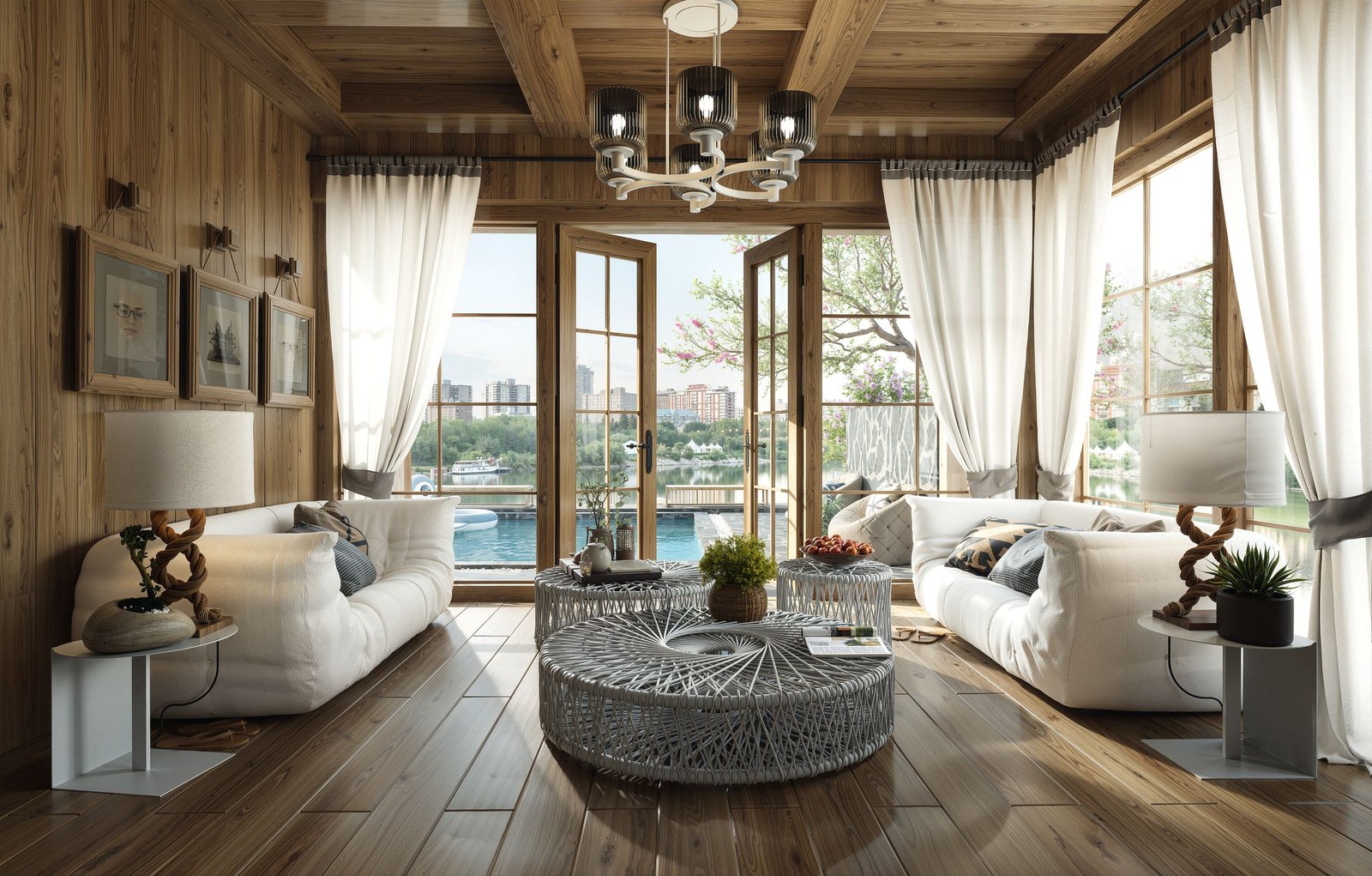
A coastal-inspired home feels bright, relaxed, and connected to nature. It brings together soft colors, natural materials, comfortable furniture, and plenty of light to create an atmosphere that feels refreshing without being overly decorated. Although this style takes inspiration from the seaside, you do not need to live near the ocean to enjoy its calm and welcoming character.
The secret to successful coastal interior design is balance. Instead of filling every room with seashells, anchors, or blue-and-white patterns, focus on the elements that make coastal spaces appealing: organic textures, airy layouts, natural finishes, and a soothing color palette. These details can make a home feel sophisticated while preserving the easygoing spirit associated with coastal living.
Whether you are decorating an entire house, updating a living room, or refreshing a small apartment, the right choices can help you create a timeless coastal look. Understanding the style’s essential characteristics, materials, furniture, and room-by-room applications will make it easier to achieve a cohesive result.
What Is Coastal Interior Design?
Coastal interior design is a decorating style inspired by the natural beauty of seaside environments. It combines light colors, organic materials, relaxed furnishings, and natural light to create interiors that feel open, comfortable, and peaceful.
Unlike a strictly nautical theme, coastal design does not depend on maritime symbols or traditional blue-and-white stripes. Instead, it captures the atmosphere of the coast through texture, color, simplicity, and a connection to the outdoors.
A coastal home might feature a cream-colored sofa, pale wood furniture, linen curtains, woven baskets, and subtle blue accents. Each element contributes to the overall feeling without making the room look as though it belongs in a beach-themed shop.
The Inspiration Behind Coastal Style
Coastal interiors draw inspiration from sand, sea, driftwood, coastal vegetation, and the changing colors of the sky. These natural references influence the materials, finishes, and colors used throughout a space.
Soft whites can suggest sunlight and sea foam, while sandy beige and warm gray bring to mind beaches and weathered stones. Pale blues and muted greens introduce gentle color without overwhelming the room. Natural wood, linen, and woven fibers add depth and warmth.
The style also reflects the relaxed pace often associated with seaside living. Furniture should feel inviting, rooms should be easy to use, and decorative choices should support comfort rather than create unnecessary visual clutter.
What Makes a Home Feel Coastal?
Several elements work together to establish a coastal atmosphere:
- A light, balanced color palette inspired by nature
- Natural materials such as wood, linen, rattan, and jute
- Comfortable furniture with simple, timeless shapes
- Soft textures that add depth without visual heaviness
- Unobstructed natural light wherever possible
- A thoughtful connection between indoor spaces and the outdoors
No single feature defines the style on its own. A room painted white may still feel cold if it lacks texture, while a room with blue accessories may look nautical rather than coastal. The overall combination matters more than any individual decoration.
What Are the Key Characteristics of Coastal Interior Design?
Coastal interior design works best when the room feels natural rather than carefully staged. Light, texture, comfort, and simplicity should support one another.
A Light and Airy Atmosphere
Natural light is one of the most important features of coastal interiors. Bright rooms feel open and refreshing, making them a natural fit for a style inspired by the seaside.
Where possible, keep windows unobstructed and choose window treatments that allow daylight to enter. Sheer linen or cotton curtains can soften sunlight while maintaining a sense of openness. Mirrors may also help distribute light visually, particularly in smaller rooms or spaces with limited windows.
The furniture arrangement matters as well. Avoid filling every corner simply because space is available. Leave clear pathways and allow larger pieces to breathe. An open layout can make a room feel more relaxed without requiring structural changes.
If a room receives limited daylight, warm white paint, layered lighting, pale furniture, and reflective surfaces can help create a brighter atmosphere.
Natural Materials and Organic Textures
Natural materials give coastal rooms their characteristic warmth. Wood, linen, cotton, rattan, wicker, jute, and seagrass introduce subtle variations that keep neutral spaces from feeling flat.
For example, a smooth wooden table can be paired with a woven rug, textured cushions, and soft curtains. The different surfaces create visual interest while maintaining a cohesive palette.
Natural finishes do not need to look perfectly polished. Slightly weathered wood, visible grain, woven patterns, and textured ceramics can make a room feel more relaxed. However, the materials should still suit the home’s overall design and practical needs.
Comfortable, Relaxed Furniture
Coastal furniture should encourage everyday use. Deep sofas, supportive chairs, inviting beds, and practical dining tables help create a comfortable environment without sacrificing style.
Look for simple silhouettes, durable upholstery, and materials that suit your household. Slipcovered seating can work well in casual spaces, while streamlined upholstered furniture may be more appropriate for modern coastal interiors.
Comfort also depends on scale. Oversized furniture can make a small room feel crowded, while pieces that are too small may leave a large room feeling disconnected. Measure the space and consider how people will move through it before making major purchases.
Clean Lines With Soft Details
Coastal rooms often combine straightforward furniture shapes with softer finishing touches. A simple wooden table might sit beside a curved chair, while structured cabinetry can be balanced with flowing curtains and textured cushions.
This contrast keeps the room from feeling either too formal or too rustic. Clean lines establish order, while softer details introduce warmth.
Avoid relying on elaborate furniture or excessive ornamentation. A few well-chosen pieces can create a stronger result than a room filled with decorative objects.
A Connection Between Indoors and Outdoors
Coastal interiors often make the transition between indoor and outdoor living feel natural. Large windows, glass doors, plants, natural textures, and a consistent color palette can strengthen this relationship.
If you have a patio, balcony, or garden, consider how the adjoining room looks from outside and how the outdoor area appears from within. Coordinating a few colors or materials can create visual continuity.
In homes without outdoor access, houseplants, natural wood, stone finishes, and nature-inspired colors can still bring a similar sense of connection to the natural world.
How to Choose a Coastal Interior Design Color Palette
A successful coastal color palette should feel calm and coordinated rather than predictable. Blue and white are familiar choices, but they are only part of the picture. Warm neutrals, muted greens, sandy shades, and natural wood tones can create equally convincing coastal interiors.
Start with one or two foundation colors, then introduce a limited number of supporting shades. Repeating those colors across furniture, textiles, and accessories helps the room feel unified.
White, Cream, and Warm Neutrals
White is a popular foundation for coastal interiors because it creates a bright, clean backdrop. However, not every shade of white produces the same effect.
Cool whites can feel crisp and contemporary, while creamy whites and warm off-whites create a softer atmosphere. Beige, oatmeal, pale taupe, and warm gray are useful alternatives when a room needs more depth.
Consider the room’s natural light before selecting paint. A color that looks warm in a sunny space may appear different in a north-facing room. Test samples on the wall and observe them at different times of day.
Warm neutrals also make it easier to incorporate wood, woven furniture, and textured fabrics without creating too much contrast.
Soft Blues and Ocean-Inspired Shades
Blue can bring a recognizable coastal quality to a room, but it does not need to dominate the palette. Pale blue, dusty blue, muted navy, and gray-blue can all work well when used thoughtfully.
Soft blue cushions may complement a cream sofa, while a deeper blue chair can create a focal point in a neutral living room. In bedrooms, muted blue bedding can contribute to a restful atmosphere.
The key is to vary the intensity rather than use the same shade everywhere. Pairing a pale blue with warm wood and creamy textiles often creates more depth than repeating identical blue accessories throughout the room.
Sage, Seafoam, and Natural Greens
Green offers another way to introduce a coastal feeling without relying heavily on blue. Sage, seafoam, and muted olive can suggest coastal vegetation and create a gentle connection to nature.
These shades work well with natural wood, linen, cream, and sandy beige. A sage accent wall, green upholstered chair, or set of cushions can introduce color while preserving a relaxed mood.
Plants can also provide natural green tones. Choose varieties that suit your home’s light and maintenance conditions rather than adding plants solely for decoration.
Wood, Sand, and Earth-Toned Accents
Sandy beige, pale brown, driftwood gray, and warm wood tones prevent coastal interiors from feeling overly cool. They introduce the natural variation that makes the style inviting.
Use these shades in flooring, tables, baskets, rugs, picture frames, and decorative ceramics. A room built around white walls and pale blue accents may feel incomplete without warmer elements to balance it.
A useful approach is to let neutrals establish the foundation, use natural materials for warmth, and reserve stronger colors for a few selected features.
Coastal vs. Nautical vs. Beachy Interior Design
Coastal, nautical, and beachy interiors share some influences, but they create different visual effects. Understanding the distinctions helps you choose the style that suits your home and avoid combining too many competing themes.
What Defines Coastal Design?
Coastal design focuses on natural materials, soft colors, light, and relaxed comfort. It can be traditional, contemporary, rustic, or minimalist, depending on the furniture and finishes selected.
The coastal influence is often subtle. A textured rug, pale wood table, linen curtains, and muted blue artwork may communicate the style without using obvious seaside decorations.
This makes coastal interiors adaptable to different architectural styles and locations.
What Makes Nautical Design Different?
Nautical design takes more direct inspiration from maritime traditions. Navy and white stripes, rope details, brass finishes, ship-inspired objects, and strong maritime colors are common references.
These elements can create a distinctive look, especially when used with restraint. However, too many maritime accessories may make a room feel themed rather than naturally coastal.
If you enjoy nautical details, choose a small number of features and combine them with simpler furniture and natural materials.
How Beachy Design Differs From Coastal Style
Beachy interiors generally feel casual, playful, and vacation-inspired. They may include brighter colors, lightweight furnishings, relaxed patterns, and decorative objects associated with beach holidays.
Coastal interiors can also be casual, but they often place greater emphasis on balance, material quality, and a more restrained appearance.
The two styles overlap, so the difference is not absolute. A room can be both beachy and coastal, depending on its colors, furnishings, and overall atmosphere.
Which Style Is Best for Your Home?
| Style | Main features | Best suited to |
| Coastal | Natural textures, soft colors, relaxed furniture | Calm, versatile everyday interiors |
| Nautical | Navy, stripes, maritime details, rope and brass | Homes that favor a stronger maritime identity |
| Beachy | Casual furnishings, breezy fabrics, playful accents | Informal, vacation-inspired spaces |
| Modern coastal | Clean lines, warm neutrals, restrained accessories | Contemporary homes with a relaxed atmosphere |
Choose coastal design if you want a natural and timeless look. Nautical design may suit you if you enjoy recognizable maritime details, while beachy decor works well when you prefer a more casual, playful setting. Modern coastal is a strong option when you want seaside inspiration with a cleaner contemporary finish.
Essential Materials for a Coastal Home
Materials help translate coastal inspiration into a practical interior. Rather than relying on decorative objects, use surfaces and fabrics that introduce natural variation and tactile interest.
Natural and Weathered Wood
Wood brings warmth to coastal interiors and balances lighter colors. Pale oak, ash, whitewashed finishes, and gently weathered wood can all work well.
Use wood in flooring, dining tables, bedside tables, shelves, cabinetry, or picture frames. You do not need every wooden item to match. Combining a few compatible finishes can make the room feel collected and natural.
Pay attention to undertones. Very red or orange wood may create a different atmosphere from pale, sandy finishes, so consider how each piece relates to the room’s flooring and other furniture.
Linen and Cotton
Linen and cotton are useful for curtains, cushions, bedding, upholstery, and table linens. Their soft appearance suits the relaxed quality of coastal decorating.
Linen often has a slightly irregular texture that adds character, while cotton can be practical for frequently used household textiles. Both materials are available in a range of colors and weights.
Choose fabrics according to how the room is used. Families with children or pets may prefer removable covers or easy-care textiles, while decorative cushions can accommodate more delicate fabrics.
Rattan, Wicker, and Seagrass
Woven materials introduce texture without requiring strong colors. Rattan chairs, wicker baskets, seagrass accessories, and woven light shades can add warmth to neutral rooms.
These materials work particularly well when balanced with smoother surfaces. For instance, a woven chair can sit beside a simple wooden table, while a basket can soften the appearance of built-in storage.
Use them selectively. Too many woven objects in one room may create a cluttered appearance, especially when their patterns and finishes compete with one another.
Jute and Sisal
Jute and sisal rugs are useful for introducing natural texture underfoot. Their earthy colors complement cream upholstery, wooden furniture, and muted coastal palettes.
Before selecting a rug, consider its location and cleaning requirements. Some natural-fiber rugs may be less suitable for damp areas or places where spills are common. In kitchens, bathrooms, and busy entryways, choose materials that can handle the conditions.
The rug should also be appropriately sized. A well-proportioned rug can visually connect furniture, while one that is too small may make the arrangement feel disconnected.
Plaster, Stone, and Other Natural Finishes
Stone, textured plaster, ceramic, and other natural-looking finishes add depth to coastal interiors. They can be introduced through flooring, countertops, wall treatments, lamps, vases, and smaller decorative objects.
A textured wall finish may give a room more character than a plain painted surface, while stone or ceramic accessories can provide contrast against linen and wood.
The goal is not to use every natural material in one space. Select a few that complement each other, then repeat them in different forms to create a cohesive design.
How to Choose Coastal Furniture
Furniture should support the room’s function while contributing to its relaxed appearance. The most successful coastal spaces combine practical pieces with simple shapes and materials that complement the surrounding palette.
Sofas and Seating
A sofa often serves as the main visual anchor in a living room. Cream, oatmeal, pale gray, and muted blue are versatile upholstery choices, especially when paired with textured cushions.
Select a size that allows comfortable movement around the room. In a compact apartment, a streamlined sofa may be more useful than a deep sectional. In a larger living room, a sectional can help define the seating area.
Accent chairs provide an opportunity to introduce a different texture or color. A woven chair, upholstered armchair, or wooden-frame seat can add variety without requiring a complete furniture change.
Coffee and Side Tables
Wooden coffee tables, simple side tables, and understated storage pieces fit naturally into coastal interiors. Rounded edges can soften a room dominated by straight lines, while clean rectangular tables can support a more contemporary look.
Choose tables according to everyday needs. A living room used for family activities may benefit from a durable surface and accessible storage, while a smaller room may need nesting tables that can be moved when required.
Avoid selecting every item from the same furniture collection simply to create a matching set. Coordinated materials and colors are usually enough to establish visual consistency.
Beds and Bedroom Furniture
Coastal bedroom furniture should support comfort and calm. Wooden bed frames, upholstered headboards, simple bedside tables, and soft bedding can establish the foundation.
Light-colored bedding works well with natural textures, but an entirely white room may need warmer accents. Add a wooden bedside table, a woven basket, a textured throw, or muted green cushions to create balance.
Keep storage practical and accessible. A bedroom should remain easy to maintain, and excessive decorative objects can work against the uncluttered atmosphere that makes coastal spaces appealing.
Dining Furniture
Dining furniture should feel inviting and suit the household’s routine. A solid wood table can provide warmth, while upholstered or woven chairs add texture.
For a more contemporary interpretation, combine a simple table with streamlined chairs and restrained accessories. For a casual coastal setting, a natural wood table with relaxed seating may be more appropriate.
Consider durability before making a decision. Dining surfaces need to withstand regular use, and upholstered chairs should be easy to clean if meals are frequently shared with children or guests.
How to Bring Coastal Interior Design Into Every Room
A cohesive home does not require every room to look identical. Instead, repeat a few colors, materials, and textures while adjusting the design to each room’s function.
Coastal Living Room
Begin with a comfortable sofa in a warm neutral shade. Add a textured rug, natural wood coffee table, and a small selection of cushions in muted blue, sage, or sandy tones.
Use curtains that allow light to filter through, and arrange seating to encourage conversation. A large piece of understated artwork can provide a focal point without overwhelming the room with beach imagery.
For a layered look, combine smooth and textured surfaces. A simple table, woven basket, linen cushions, and ceramic lamp can create visual interest while keeping the palette controlled.
Coastal Bedroom
A coastal bedroom should feel restful rather than decorative. Start with comfortable bedding in white, cream, or pale gray, then introduce texture through a quilt, linen pillowcases, or a woven throw.
Wooden bedside tables and soft lighting can make the room feel warmer. Muted blue or green accents are useful, but they do not need to appear in every element.
Keep the floor and surfaces relatively clear. Practical storage, a well-positioned bedside lamp, and a comfortable bed contribute more to the room than a large collection of themed accessories.
Coastal Kitchen
In the kitchen, coastal style can come through cabinet colors, natural finishes, lighting, and simple accessories. White or cream cabinetry provides a bright foundation, while pale wood and stone-like surfaces add warmth.
If you prefer color, consider muted blue or sage cabinetry, a restrained backsplash, or a few carefully selected accessories. The aim is to create a fresh appearance without compromising functionality.
Open shelving can display everyday dishes and a few decorative pieces, but it should not become a place for unnecessary clutter. Closed storage is useful for keeping busy kitchen surfaces organized.
Coastal Bathroom
A coastal bathroom can feel fresh through light neutrals, natural textures, and simple finishes. Cream or white walls, pale stone-inspired surfaces, wood accents, and soft towels create a calm foundation.
Woven baskets can help organize toiletries or spare towels, provided they suit the room’s humidity. In damp areas, select materials specifically designed to withstand moisture.
Muted blue, seafoam, or sage can be introduced through towels, small accessories, or tiles. You do not need seashell-shaped fixtures or maritime decorations to create a coastal feeling.
Coastal Dining Room
A coastal dining room should balance everyday practicality with a welcoming atmosphere. A wooden table, comfortable chairs, and a simple pendant light can establish the main elements.
Use a restrained centerpiece, such as a ceramic vase or a natural arrangement, rather than covering the table with decorative objects. Linen table runners and woven placemats can introduce texture without making the space feel formal.
If the dining room opens into a living room or kitchen, repeat one or two materials across both areas. Matching every finish is unnecessary; a shared palette is enough to help the spaces feel connected.
What Is Modern Coastal Interior Design?
Modern coastal interior design combines seaside inspiration with contemporary simplicity. It retains the natural materials, light colors, and relaxed atmosphere of traditional coastal style while using cleaner lines, fewer accessories, and more deliberate contrasts.
The result is a space that feels current without depending on short-lived trends or literal beach decorations.
Modern Coastal vs. Traditional Coastal
Traditional coastal interiors may include more decorative details, classic furniture shapes, painted wood, and familiar blue-and-white combinations. Modern coastal interiors generally use a more restrained palette, streamlined furniture, and carefully selected materials.
Neither approach is automatically better. Traditional coastal design can feel warm and established, while modern coastal styling often suits people who prefer a cleaner visual environment.
The right choice depends on the home’s architecture, existing furniture, and personal preferences. Both can be successful when the colors, proportions, and materials work together.
Using Clean Lines and Minimal Accessories
Modern coastal rooms benefit from thoughtful editing. Rather than displaying many small objects, choose a few pieces with interesting shapes, textures, or finishes.
A sculptural lamp, textured ceramic vase, large artwork, or distinctive wooden table can provide enough visual interest without overcrowding the room.
Clean lines also make furniture placement important. Leave space around major pieces and avoid blocking windows or pathways with unnecessary furniture.
How to Keep Modern Coastal Interiors Warm
Minimalism can sometimes make a room feel cold if it relies too heavily on hard surfaces and pale colors. To prevent this, combine clean-lined furniture with tactile materials.
Linen curtains, wool or natural-fiber rugs, wooden furniture, textured cushions, and warm lighting can soften a contemporary interior. Cream and beige may also feel more welcoming than a palette made entirely of cool white and gray.
The key is to balance simplicity with comfort. A modern coastal room should feel organized, not empty.
How to Add Coastal Style Without Overdoing It
Coastal interior design does not require a complete renovation or a large collection of seaside accessories. A gradual approach often produces a more natural result.
Use Colors Instead of Beach-Themed Objects
One of the easiest ways to create a coastal atmosphere is to use colors inspired by nature. Warm white walls, sandy textiles, pale wood, and a few blue or green accents can establish the style without relying on literal beach objects.
If your room already has suitable furniture, begin with smaller changes such as cushion covers, curtains, a rug, or a lampshade. These updates can shift the atmosphere without replacing everything.
Layer Different Textures
Texture is essential when working with a limited color palette. Without it, a room built around neutral shades may appear flat.
Combine linen, wood, woven fibers, ceramic, and soft upholstery in a controlled way. For example, a linen sofa can be paired with a woven rug and a wooden coffee table. Each material contributes something different while maintaining a cohesive appearance.
Vary the textures rather than repeating the same woven pattern or finish everywhere.
Let Natural Light Lead the Design
Before buying new decorations, consider how the room uses light. Heavy curtains, crowded window areas, and dark furniture arrangements can make a space feel less open.
Where practical, use lighter window treatments, reposition bulky furniture, and keep pathways clear. Add lamps for evening use so the room remains comfortable when natural light is limited.
Do not assume that every coastal room must be bright white. A room with modest daylight can still feel coastal through warm neutrals, layered lighting, natural finishes, and thoughtful furniture placement.
Use Nautical Accents Sparingly
Nautical details can add personality, but they are most effective when used selectively. A single maritime-inspired artwork or a subtle striped cushion may be enough.
Avoid filling the room with anchors, ropes, shells, and ship-themed objects at the same time. Too many literal references can distract from the natural materials and relaxed atmosphere that define coastal design.
Common Coastal Interior Design Mistakes
A coastal room can lose its sophistication when the design relies too heavily on a single color, repeated theme, or matching furniture set. Recognizing these common problems makes it easier to create a more balanced result.
Using Too Much Blue
Blue is closely associated with coastal design, but using it everywhere can make a room feel predictable. Instead, balance blue with cream, sandy beige, natural wood, and muted greens.
If you love blue, vary its depth and placement. A deeper accent chair, pale cushions, and a small amount of blue artwork can create more dimension than repeating the same shade across every surface.
Overusing Shells, Anchors, and Rope
Decorative objects are not the only way to communicate a coastal influence. Too many shells, anchors, ropes, or maritime signs can make a room feel like a themed display.
Choose a small number of meaningful accessories, then allow color, texture, light, and materials to establish the atmosphere. This approach generally creates a more adaptable and timeless interior.
Making Every Surface White
White can brighten a room, but using it on every surface may leave the interior feeling flat or stark. Introduce contrast through wood, textured fabrics, warm neutrals, stone, and a few muted colors.
Different shades of white can also add subtle variation. Combining a warm wall color with cream upholstery and a pale textured rug creates more depth than using identical white finishes throughout.
Buying Matching Coastal Sets
Matching furniture can be convenient, but a room filled with identical finishes may look less personal. Instead, coordinate pieces through color, proportion, and material.
A wooden coffee table can work with upholstered seating and woven accent chairs, even if the pieces come from different collections. The goal is a balanced relationship between items rather than perfect uniformity.
Ignoring Texture
A neutral palette needs texture to feel complete. If the room contains only smooth painted walls, flat upholstery, and simple hard surfaces, it may lack warmth.
Introduce a few contrasting materials, such as linen, wood grain, woven fibers, and textured ceramics. These details help the room feel layered without requiring stronger colors.
Sacrificing Comfort for Appearance
A room may look attractive in photographs but feel inconvenient in daily life if the furniture is uncomfortable or the layout is impractical.
Choose seating that supports regular use, rugs that suit the room’s traffic, and fabrics that match your maintenance needs. Coastal interiors are intended to feel relaxed, so functionality should remain central to the design.
Can Coastal Interior Design Work Without Living Near the Ocean?
Coastal style can work in almost any location because it draws on colors, textures, light, and natural materials rather than requiring an actual seaside setting. The approach can be adapted to apartments, suburban houses, and homes in colder or inland climates.
Coastal Style in City Apartments
In a city apartment, focus on a compact palette and furniture that serves multiple purposes. Warm white walls, pale wood, textured textiles, and a few muted coastal accents can create an airy atmosphere without taking up valuable space.
Use vertical storage and keep the main pathways clear. A woven basket, linen curtains, and a simple piece of nature-inspired artwork may be all you need to establish the style.
Avoid adding too many small accessories, which can make an apartment feel crowded.
Coastal Style in Suburban Homes
Suburban homes often provide more opportunities to use coastal design across several rooms. Repeat a few colors and materials in the living room, kitchen, dining area, and bedrooms to establish continuity.
For example, pale wood may appear in the living room and dining furniture, while muted blue and cream are repeated in textiles. Each room can still have its own character through different furniture arrangements and accent colors.
Where the home has a patio or garden, connect indoor and outdoor spaces through compatible finishes, plants, and a consistent visual palette.
Coastal Style in Small Spaces
Small rooms benefit from the uncluttered quality of coastal design. Light colors, appropriately scaled furniture, mirrors, and simple window treatments can help the space feel open.
Choose furniture that fits the room rather than selecting oversized pieces for their appearance. Storage benches, nesting tables, and baskets may provide useful functionality without introducing too much visual weight.
Texture remains important in small spaces, but use it selectively. A textured rug, a few cushions, and one natural material may be enough.
Bringing the Coastal Feeling Inland
If you live far from the coast, focus on the atmosphere rather than literal seaside references. Natural wood, soft neutrals, woven materials, comfortable furniture, and muted blue or green accents can create the same relaxed design language.
You can also draw inspiration from local landscapes. Sandy tones, pale stone, native plants, and regional wood finishes can complement coastal principles while making the interior feel connected to its actual location.
This flexibility is one of the style’s strengths: it can reflect the feeling of nature without copying a beach house exactly.
Frequently Asked Questions About Coastal Interior Design
What is the best way to start a coastal interior design?
Begin with a neutral foundation, comfortable furniture, natural wood, and woven textures. Add soft coastal colors and make the best use of available natural light. Introduce decorative accents gradually so the room feels balanced rather than overly themed.
How can I make my home look coastal without using seashells?
Use warm neutrals, soft blues, natural wood, linen, rattan, jute, and other organic textures. Keep the space relatively uncluttered and choose comfortable furniture with simple shapes. These elements can establish a coastal atmosphere without literal beach decorations.
Should I use blue in every coastal room?
No. Blue is a useful coastal accent, but it does not need to dominate every room. Cream, beige, pale gray, muted green, and natural wood can create a convincing coastal palette. Use blue where it complements the room rather than applying it automatically.
What materials work best for coastal home decor?
Common choices include natural or weathered wood, linen, cotton, rattan, wicker, jute, sisal, stone, and ceramic. The best materials depend on the room’s use, cleaning requirements, and exposure to moisture. A balanced mix of textures usually works better than using every material at once.
Is modern coastal interior design different from traditional coastal style?
Yes. Modern coastal interiors generally emphasize clean lines, fewer accessories, warm neutrals, and carefully selected natural materials. Traditional coastal interiors may include more classic furniture shapes and decorative details. Both styles prioritize comfort, light, and a relaxed atmosphere.
Can coastal interior design work in a small apartment?
Yes. Use light colors, furniture scaled to the room, simple window treatments, and a few natural textures. Keep pathways clear and choose practical storage to prevent clutter. A small number of well-selected details can create the coastal look without overwhelming the space.
How do I stop coastal decor from looking too themed?
Avoid relying on too many literal seaside objects or maritime motifs. Instead, use colors, materials, texture, and natural light to communicate the style. Choose a few accessories that have personal meaning and let the rest of the room remain simple.
Is coastal interior design suitable for homes far from the beach?
Yes. Coastal style is based on a relaxed design approach rather than a particular location. Natural materials, soft colors, comfortable furniture, and an airy layout can work in urban apartments, suburban houses, and inland homes.
Final Thoughts
Coastal interior design offers a practical way to create a home that feels calm, bright, and welcoming. Its appeal comes from a thoughtful combination of natural materials, soft colors, comfortable furniture, layered textures, and an uncluttered atmosphere.
The most effective coastal interiors do not rely on a large collection of beach-themed accessories. Instead, they use subtle references to the natural world and balance them with the needs of everyday living. Warm neutrals can soften blue accents, natural wood can add depth to pale rooms, and varied textures can make simple furniture feel more inviting.
You do not need to transform your entire home at once. Start with one room, establish a balanced palette, introduce a few natural materials, and make comfort a priority. With a measured approach, coastal interior design can create a timeless environment that feels relaxed without appearing overly themed.
