
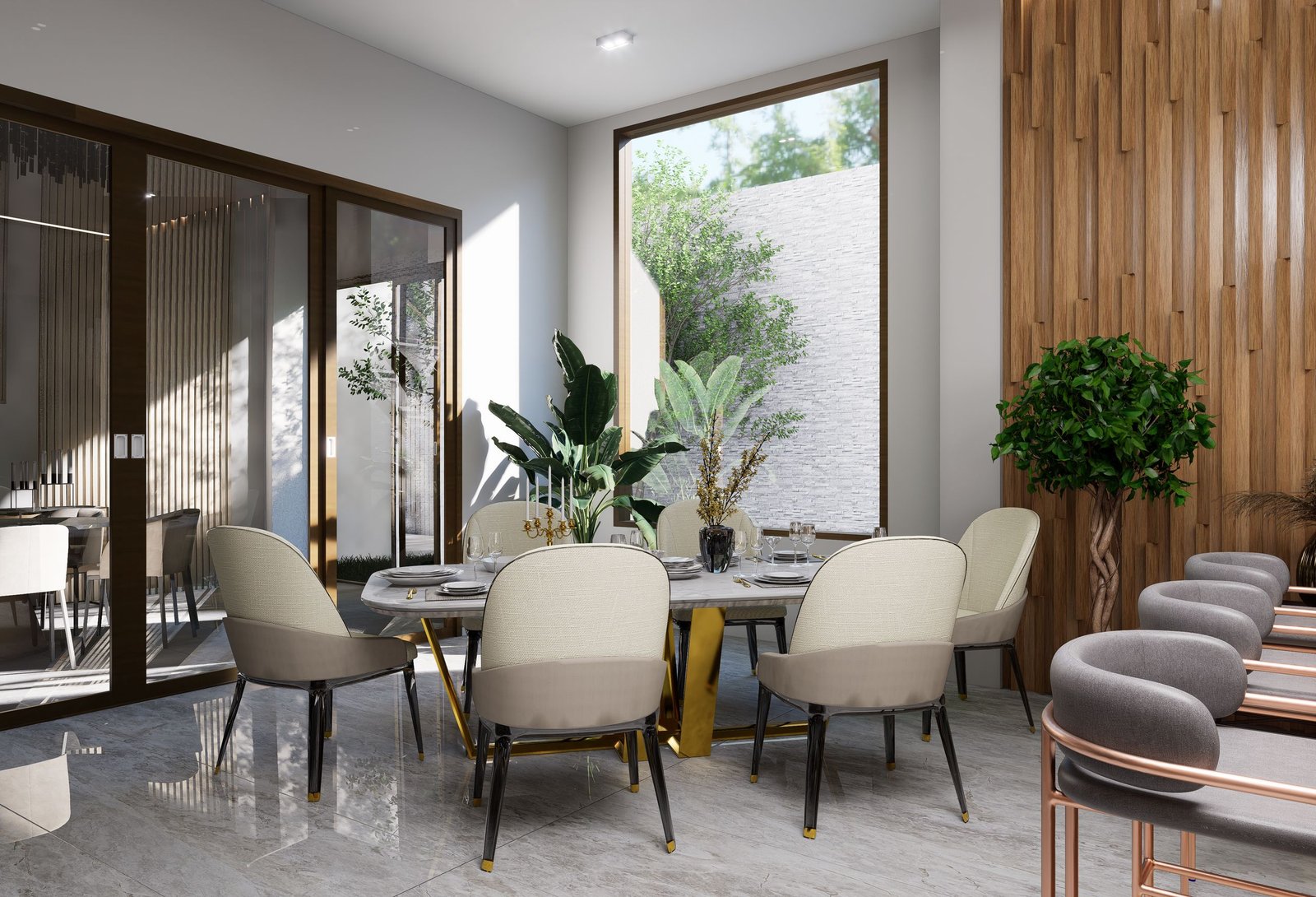
A dining room has to do more than look good. It needs enough space for people to sit comfortably, move around the table, serve food, and settle in for conversations that last longer than the meal. That balance is what makes dining room decor ideas useful in practice rather than simply attractive in photographs.
The good news is that you don’t need to replace every piece of furniture to change the character of the room. A new light fixture, a larger rug, fresh artwork, different chairs, or even a better table arrangement can make a noticeable difference. Larger projects, such as wallpaper, paneling, built-ins, or a new color scheme, can take the transformation further.
Before choosing anything, consider the room’s proportions and how you actually use it. A dining area that doubles as a homework station needs different solutions from a formal room used mainly for weekend dinners. Likewise, an open-concept dining area needs to connect visually with nearby spaces without disappearing into them.
The measurements mentioned in this guide are practical starting points rather than rigid rules. Room shape, furniture dimensions, ceiling height, and traffic patterns can all change what works best.
How to Approach Dining Room Decorating
The easiest way to avoid a disconnected dining room is to work from the largest decisions toward the smallest ones.
Start by measuring the room and deciding where the table will sit. Then consider how much clearance people need to pull out chairs and walk behind them. A useful starting range is around 36–42 inches of usable space around the table, with additional room where the dining area also serves as a main walkway.
Once the table and circulation work, choose seating. Lighting comes next because the fixture should relate to the table rather than simply being centered somewhere in the ceiling.
From there, build the visual layer with a rug, colors, wall treatments, curtains, artwork, and accessories.
To decorate a dining room effectively:
- Measure the room and available clearance.
- Choose the table before adding accessories.
- Plan comfortable seating around it.
- Position lighting over the table.
- Add a properly sized rug if appropriate.
- Build the color palette around two or three main tones.
- Finish with wall decor and table accessories.
Dining room decor ideas are practical ways to improve a dining space through furniture, lighting, color, wall treatments, rugs, table styling, and accessories. The strongest choices combine visual appeal with comfortable seating, useful circulation, and the way the room is actually used.
Dining Room Decor Ideas to Create an Instant Focal Point
1. Hang a Statement Chandelier
A statement chandelier can immediately establish the dining table as the room’s focal point. Choose a fixture that feels substantial enough for the table without overwhelming the surrounding furniture. Its shape can also introduce curves, geometric lines, or sculptural detail.
2. Center the Room Around a Beautiful Table
The dining table naturally becomes the visual and functional anchor. Instead of treating it as just another piece of furniture, choose a table whose material, shape, and proportions establish the direction for the rest of the room.
3. Create a Dramatic Accent Wall
An accent wall behind the dining table can add depth without requiring every wall to be bold. Paint, wallpaper, paneling, or a different material can distinguish the dining zone, especially in an open-plan home.
4. Use Oversized Artwork
One large artwork can have more impact than several small pieces scattered around the room. Look for a piece that relates to the dining table or repeats a color already present in the chairs, rug, or lighting.
5. Add a Large Mirror
A large mirror can reflect light and create the impression of additional visual space. Place it where it reflects something attractive, such as a window, artwork, or light fixture, rather than an area filled with clutter.
6. Introduce a Sculptural Light Fixture
A sculptural pendant or chandelier can function almost like artwork suspended above the table. Unusual shapes work particularly well in rooms with otherwise simple furniture because the lighting becomes a defining feature.
7. Highlight an Architectural Feature
If the dining room already has exposed beams, a fireplace, molding, an archway, or an interesting ceiling, let that feature lead the design. Decorative additions should support the architecture rather than compete with it.
8. Create a Built-In Display Wall
Built-in shelving can turn an empty wall into both storage and a decorative feature. Use a mixture of books, ceramics, artwork, glassware, and a few open spaces so the shelving doesn’t become visually crowded.
9. Use Bold Wallpaper
Wallpaper can establish an entire color story at once. A large-scale botanical, geometric, textured, or traditional pattern can make the dining room feel intentional without requiring numerous decorative pieces.
10. Showcase a Statement Sideboard
A sideboard can anchor one wall while providing useful storage for tableware. Choose a design with enough visual presence to balance the dining table, then keep its surface edited rather than filling every available inch.
Dining Room Wall Decor Ideas
11. Create a Gallery Wall
A gallery wall gives you an opportunity to combine artwork, photographs, prints, and other meaningful pieces. Repeating one color, frame finish, or visual theme helps the collection feel intentional rather than random.
12. Hang One Oversized Painting
A single large painting can create a strong focal point while keeping the wall relatively simple. This approach works especially well when the dining furniture already has distinctive shapes or materials.
13. Try Decorative Wall Paneling
Wall paneling introduces architectural texture and can make a plain dining room feel more considered. Traditional molding works in classic spaces, while simpler panels can complement contemporary interiors.
14. Add Picture-Frame Molding
Picture-frame molding can add structure without introducing a busy pattern. Paint the molding and wall in the same color for a subtle effect, or use contrast when you want the architectural detail to stand out.
15. Install Floating Shelves
Floating shelves provide a place for artwork, ceramics, small plants, and decorative objects without using floor space. Keep the number of objects controlled so the shelves contribute to the room instead of creating another cluttered surface.
16. Display a Collection of Plates
Decorative plates can turn an empty wall into a collected display. Arrange pieces around a central point or use a balanced composition that relates visually to the dining table below.
17. Add a Decorative Mirror Arrangement
Instead of one large mirror, consider a group of smaller mirrors. Different shapes can create an eclectic effect, while matching frames produce a more orderly composition.
18. Use Textured Wallcovering
Textured wallpaper adds depth without relying entirely on color. Grasscloth-inspired surfaces, subtle patterns, and tactile finishes can make a neutral dining room feel warmer.
19. Create a Botanical-Inspired Wall
Botanical artwork, leaf prints, or nature-inspired wallpaper can bring an organic quality to the dining area. Pair the wall treatment with wood, woven materials, or greenery to reinforce the theme.
20. Decorate With Vintage Artwork
Vintage artwork can give the dining room a sense of history. It doesn’t have to match every other piece; repeating one color or frame finish is often enough to connect it with newer furniture.
Dining Table Decor Ideas
21. Style a Simple Centerpiece
A centerpiece doesn’t need to be elaborate. A vase, bowl, small sculpture, or arrangement of branches can provide a focal point while leaving plenty of room for plates and serving dishes.
22. Add a Seasonal Arrangement
Change the centerpiece throughout the year with seasonal flowers, branches, foliage, or other natural elements. Keep the arrangement simple enough to remove when the table is being used for a full meal.
23. Use a Decorative Bowl
A decorative bowl can provide shape and texture without taking up excessive space. Fill it with fruit for an everyday display or leave it empty when its material and form are strong enough on their own.
24. Layer a Table Runner
A table runner adds color and texture while visually emphasizing the length of a rectangular table. Choose one that complements the room’s palette rather than introducing a completely unrelated pattern.
25. Try a Minimalist Tablescape
A minimalist tablescape can make the dining room feel calm and spacious. Use a small number of carefully chosen objects and allow some of the table’s surface to remain visible.
26. Add Candles for Evening Meals
Candles can create a softer atmosphere during evening gatherings. Use holders that are stable and appropriately sized for the table, keeping the arrangement low enough that people can see across it.
27. Use Fresh Greenery
Greenery adds life and texture without necessarily making the table feel formal. Branches, leafy stems, or small potted plants can work particularly well with natural wood furniture.
28. Create a Low Floral Arrangement
A low floral arrangement provides color while preserving sightlines between diners. The goal is to create a decorative moment without putting a tall obstacle between people trying to talk.
29. Mix Different Decorative Textures
Combine smooth ceramics, woven materials, glass, wood, or metal to make a simple tablescape more interesting. Texture can provide depth even when the color palette remains restrained.
30. Keep Everyday Decor Easy to Remove
A dining table has to remain useful. Arrange everyday decorations on a tray or use a small group of objects that can be moved quickly when you’re serving dinner, doing homework, or entertaining.
Dining Room Lighting Ideas
31. Choose an Oversized Chandelier
A larger chandelier can give a spacious dining room a strong sense of scale. The fixture should relate to the table’s dimensions so it feels deliberate rather than oversized for the sake of drama.
32. Install a Modern Pendant
A single pendant can provide a cleaner alternative to a traditional chandelier. Look for a shape that complements the table and other architectural lines in the room.
33. Use Multiple Pendant Lights
Several smaller pendants can create rhythm over a long table. Their spacing should relate to the table rather than simply being distributed evenly across the ceiling.
34. Add Wall Sconces
Wall sconces provide secondary lighting and can frame artwork, a sideboard, or architectural features. They are particularly useful when the ceiling fixture is the main source of overhead illumination.
35. Layer Ambient and Accent Lighting
A dining room feels more flexible when it has more than one lighting source. Combine the main fixture with sconces, lamps, or accent lighting so the room doesn’t depend entirely on one bright overhead light.
36. Install a Dimmer
A dimmer lets the same fixture serve different purposes. Brighter light can help with everyday activities, while softer illumination can make an evening gathering feel more relaxed.
37. Use Warm Lighting for Evening Entertaining
Warm-toned light generally creates a softer atmosphere for dinner. Consider the color temperature of the bulbs as well as the appearance of the fixture itself.
38. Choose a Sculptural Fixture
A sculptural fixture can double as decorative artwork. This is especially effective in rooms with simple walls and furniture because the lighting becomes part of the visual composition.
39. Coordinate Lighting With the Table
The shape of the fixture should make sense with the table beneath it. A linear fixture can work naturally over a long rectangular table, while a round pendant may suit a circular table.
40. Make Lighting the Room’s Decorative Statement
If the rest of the room is relatively restrained, let the light fixture carry more visual weight. This can create a dramatic result without adding numerous accessories.
A useful starting point is around 30–36 inches between the tabletop and the bottom of a dining fixture. The final position depends on the fixture, ceiling height, sightlines, and the room’s layout.
Dining Room Color and Paint Ideas
41. Try Deep Green Walls
Deep green can create a grounded dining room with a connection to nature. Pair it with warm wood, brass-toned details, or neutral upholstery to keep the darker color balanced.
42. Create a Warm Neutral Dining Room
Warm beige, cream, taupe, and similar shades can create a calm backdrop for furniture and artwork. Layering several related neutrals prevents the room from feeling flat.
43. Use Rich Chocolate Brown
Chocolate brown can make a dining room feel intimate and enveloping. Use lighter furniture, reflective surfaces, or contrasting textiles to prevent the color from becoming visually heavy.
44. Add Soft Blue
Soft blue can create a relaxed atmosphere without making the room feel cold. Pair it with natural wood, cream, or warm metallic details for balance.
45. Create a Moody Charcoal Room
Charcoal walls can give a dining room a dramatic character. The effect becomes more inviting when combined with warm lighting, natural materials, and lighter decorative details.
46. Try Two-Tone Walls
Two-tone walls can add architectural interest without requiring wallpaper. Use a darker lower section and lighter upper area, or divide the colors according to existing molding.
47. Color-Drench the Dining Room
Color drenching means using closely related shades across walls and other surfaces to create a continuous effect. It can make architectural details feel more integrated and intentional.
48. Use an Earthy Palette
Terracotta, olive, clay, sand, brown, and warm cream can work together to create a grounded palette. Natural materials make these colors feel even more connected.
49. Pair Dark Walls With Light Furniture
Light furniture against a dark background creates contrast and gives individual pieces more definition. This approach works well when you want drama without making every part of the room dark.
50. Add Color Through Accessories
You don’t always need to repaint the room. Artwork, curtains, table linens, flowers, ceramics, and chair upholstery can introduce color that is easy to change later.
Dining Table and Seating Ideas
51. Mix and Match Dining Chairs
A perfectly matching dining set isn’t necessarily the safest choice for a stylish room. A coordinated mix of chairs, textures, or materials can create more personality, provided the pieces share at least one visual connection.
52. Pair a Bench With Chairs
A bench can provide flexible seating and reduce the visual bulk of multiple individual chairs. It can be particularly useful against a wall or along one side of a rectangular table.
53. Choose Upholstered Seating
Upholstered chairs add softness and can make long meals more comfortable. Choose durable, easy-care fabrics if the dining room is used heavily.
54. Use a Round Dining Table
Round tables can make conversation feel natural because diners face toward the center. They can also work well in compact or pass-through rooms where sharp corners might interfere with movement.
55. Try an Oval Table
An oval table combines some of the linear capacity of a rectangular table with softer edges. Its curved ends can help a long dining room feel less rigid.
56. Choose a Rustic Wood Table
A rustic wood table introduces texture and warmth. It can become the foundation for a modern, farmhouse, coastal, or eclectic room depending on the surrounding furniture.
57. Add Vintage Dining Chairs
Vintage chairs can give a new dining table more character. Even if the chairs aren’t identical, repeating a finish, upholstery color, or general shape can keep the combination cohesive.
58. Mix Wood and Metal
Wood and metal create a useful contrast between natural warmth and industrial structure. Keep the combination intentional by repeating one material elsewhere in the room.
59. Use Curved Furniture
Curved chairs, tables, or cabinets can soften a room dominated by straight architectural lines. Curves can also make a formal dining room feel more relaxed.
60. Create a Banquette Dining Area
A banquette can make efficient use of a wall or corner while creating a built-in feeling. Add chairs on the open sides so the arrangement remains flexible.
Dining Room Rug and Textile Ideas
61. Anchor the Table With a Large Rug
A properly sized rug visually connects the table and chairs. A useful starting point is to extend the rug about 24 inches beyond the table on each side so chairs can remain on it when pulled back.
62. Choose a Patterned Rug
A patterned rug can introduce color and movement beneath relatively simple furniture. If the rug is visually strong, keep some of the surrounding elements quieter.
63. Use a Neutral Textured Rug
A textured neutral rug adds softness without introducing another dominant color. This works especially well in rooms where artwork or lighting already provides visual interest.
64. Try a Vintage-Style Rug
A vintage-style rug can make a newly furnished dining room feel more established. Its varied pattern can also be practical because everyday marks may be less noticeable than on a completely plain surface.
65. Add Washable Textiles
Washable rugs, seat cushions, and table textiles can make dining spaces easier to maintain. This is especially useful for homes with children or rooms that serve several purposes.
66. Coordinate Curtains With the Rug
Curtains and rugs don’t need to match exactly. Instead, repeat a color, texture, or subtle pattern so the two elements feel connected.
67. Layer Natural Textures
Woven shades, linen curtains, jute-inspired rugs, wood furniture, and natural fibers can create a relaxed atmosphere. The key is variation so the room doesn’t become a collection of identical textures.
68. Use Upholstered Chair Fabrics for Softness
Chair upholstery can introduce both comfort and color. If the chairs have a strong fabric, repeat a small element of that color elsewhere to integrate them with the room.
Small Dining Room Decor Ideas
69. Choose a Round Table
A round table can make it easier to move around a compact dining area because it eliminates sharp corners. Its suitability still depends on the number of people you need to seat and the room’s dimensions.
70. Use a Compact Pedestal Table
A pedestal base removes some of the visual and physical obstruction created by traditional table legs. This can be useful when several people need to move around the table.
71. Add a Wall-Mounted Light
Wall-mounted lighting keeps the ceiling and floor visually cleaner. It can also free up table space that might otherwise be occupied by lamps.
72. Use a Dining Bench
A bench can tuck neatly beneath the table when it isn’t being used. That extra flexibility can help a small room feel less crowded between meals.
73. Add a Mirror to Reflect Light
A strategically positioned mirror can reflect daylight or another light source. In a compact dining room, that extra reflection can make the space feel more open.
74. Use Vertical Wall Decor
When floor space is limited, direct attention upward. Tall artwork, narrow shelves, vertical paneling, or a tall mirror can add interest without taking up valuable floor area.
75. Choose Dual-Purpose Furniture
A sideboard can store dining supplies while serving as a surface for a lamp or artwork. A bench can provide seating while also offering storage if designed for that purpose.
76. Keep the Color Palette Cohesive
A compact room can feel busy quickly. Using a limited palette across the walls, furniture, textiles, and accessories creates continuity and reduces visual fragmentation.
Stylish Dining Room Ideas for Entertaining
77. Add a Beverage Station
A small beverage station can keep drinks organized without forcing guests to crowd around the kitchen. A sideboard, cabinet, or dedicated surface can perform this role.
78. Create a Convenient Serving Area
Position a sideboard or buffet where food can be served without interrupting the people seated at the table. This simple layout decision can make hosting much easier.
79. Style a Sideboard for Guests
Use the sideboard for attractive but useful items such as serving dishes, glasses, candles, or seasonal decoration. Keep enough empty space available for practical serving tasks.
80. Keep Extra Tableware Within Reach
Storing commonly used plates, glasses, napkins, or serving pieces near the dining area reduces unnecessary trips between rooms. Good storage can therefore become part of the entertaining strategy.
81. Create Comfortable Conversation-Friendly Seating
Guests tend to stay longer when the seating is comfortable. Choose chairs with appropriate support and leave enough room between pieces for people to sit and move naturally.
82. Add Flexible Seating
Extra chairs, stools, benches, or nearby seating can help accommodate different group sizes. Flexible furniture is particularly useful for homes where the dining room isn’t used only for formal meals.
83. Use Dimmable Lighting
Dimmable lighting allows the dining room to transition from practical everyday use to a softer evening setting. It also gives you greater control when guests arrive at different times.
84. Create a Welcoming Entry View
Think about what visitors see when they first approach the dining room. A strong light fixture, artwork, table arrangement, or well-styled sideboard can create an inviting first impression.
85. Add Seasonal Decor
Seasonal decoration can refresh the room without changing the furniture. Use branches, flowers, table linens, or small decorative objects rather than covering every surface.
86. Make the Table Easy to Reset
The dining room should work after the guests leave, too. Store decorative pieces on trays, keep serving items organized, and choose accessories that can be moved quickly.
Dining Room Ideas by Design Style
87. Modern Dining Room
A modern dining room often benefits from clean-lined furniture, restrained decoration, and a strong lighting fixture. Use a limited palette and allow individual materials to stand out.
88. Traditional Dining Room
Traditional rooms can draw from classic furniture shapes, framed artwork, warm wood, patterned textiles, and balanced arrangements. Symmetry can help create the composed feeling associated with the style.
89. Farmhouse Dining Room
Farmhouse dining rooms often combine natural wood, practical furniture, simple textiles, and relaxed decoration. Avoid making every element deliberately rustic; a few contemporary pieces can keep the room current.
90. Scandinavian Dining Room
Use light woods, simple furniture, soft neutral colors, and functional accessories. The room should feel comfortable and uncluttered rather than stark.
91. Mid-Century Modern Dining Room
Look for tapered legs, organic shapes, warm wood tones, and distinctive lighting. A small number of recognizable forms can establish the style without turning the room into a themed space.
92. Eclectic Dining Room
An eclectic dining room can combine periods, colors, and materials. The trick is finding a visual connection, such as a repeated color or similar scale, so the different pieces feel intentionally collected.
93. Coastal Dining Room
Coastal design doesn’t have to mean obvious nautical decorations. Use pale or weathered wood, soft blues, natural textures, relaxed fabrics, and plenty of light for a quieter interpretation.
94. Rustic Dining Room
Rustic dining rooms can emphasize natural materials, visible wood grain, handmade-looking accessories, and comfortable textiles. Balance heavier furniture with lighter elements so the space doesn’t feel overly dense.
Finishing Touches That Make a Dining Room Feel Complete
95. Add Greenery
A plant or fresh arrangement can bring life to an otherwise neutral dining room. Choose its size according to the available surface and natural light rather than adding greenery simply to fill an empty corner.
96. Display Meaningful Objects
Decor becomes more interesting when it reflects the people who use the room. Display ceramics, artwork, inherited pieces, travel finds, or other objects that have genuine meaning.
97. Balance Decorative and Functional Pieces
A dining room works best when decoration doesn’t interfere with everyday use. For every highly decorative element, consider whether the room also has enough practical storage, comfortable seating, and usable surfaces.
98. Build the Room Around Your Entertaining Style
The final idea is perhaps the most useful: design around how you actually host. Someone who frequently serves large family meals may need generous storage and flexible seating, while a household that prefers small dinner gatherings may prioritize comfortable chairs, intimate lighting, and a smaller table.
The goal isn’t to copy one perfect dining room. It’s to create one that fits your life.
Quick Comparison: Which Dining Approach Fits Your Room?
| Dining Room Goal | Recommended Direction |
| Make the room cozier | Warm colors, textured fabrics, wood, layered lighting |
| Make a small room feel larger | Compact furniture, mirrors, lighter or cohesive colors |
| Create drama | Deep wall colors, statement lighting, oversized artwork |
| Make entertaining easier | Sideboard, serving zone, flexible seating, dimmable lighting |
| Create a modern look | Clean lines, sculptural fixtures, restrained accessories |
| Create a timeless look | Natural materials, classic furniture, neutral colors |
| Add personality | Vintage pieces, artwork, mixed chairs, collected accessories |
Matching Dining Sets vs. Mixed Furniture
A matching dining set works well when you want a controlled, coordinated appearance. It can be particularly effective in formal rooms or minimalist schemes where consistency is part of the design.
Mixed chairs, vintage furniture, or contrasting materials create a more collected appearance. The key is coordination. Repeat at least one color, material, shape, or finish so the pieces have something visually connecting them.
Some decorators prefer a completely coordinated dining set because matching furniture creates visual consistency. That’s a reasonable choice for a formal room or a minimalist scheme. But if the goal is a more collected and personal space, mixing chairs, materials, or vintage pieces can create greater visual interest.
Frequently Asked Questions About Dining Room Decor Ideas
What’s the best way to start decorating a dining room?
Start with the room’s measurements and the dining table. Once the table size and circulation are right, choose seating, lighting, rugs, wall decor, and accessories around them. This approach prevents you from buying decorative pieces before knowing how much usable space is actually available.
How do I make a small dining room look bigger?
Use appropriately scaled furniture and protect the walking paths around the table. Round or pedestal tables can work well in some compact spaces, while benches can reduce the footprint of seating. Mirrors, vertical wall decor, cohesive colors, and wall-mounted lighting can also create a more open visual effect.
Should a dining-room rug extend beyond the table?
Yes. A useful starting point is about 24 inches beyond the table on each side. This gives chairs enough room to remain on the rug when diners pull them away from the table.
The exact size can be larger when the room and budget allow. The important point is avoiding a rug that ends just beyond the table legs, because chairs can catch on the edge as they move.
Should dining-room lighting be centered in the room?
The main fixture should generally be centered over the dining table rather than automatically centered in the room. The table is the functional focal point, so lighting should relate to its position.
I’ve seen dining-room guides use slightly different clearance measurements. The practical takeaway is that the exact number depends on whether the area is simply for chair movement or also serves as a main walkway.
Do dining-room chairs need to match?
No. Matching chairs create a coordinated appearance, but carefully mixed chairs can give the room more personality while still looking intentional.
If you mix chairs, look for a connection between them. Similar wood tones, upholstery colors, silhouettes, or proportions can prevent the arrangement from feeling accidental.
What should I put in the center of a dining table?
Consider a low vase, greenery, flowers, decorative bowl, candles, or a simple seasonal arrangement. The centerpiece should support conversation rather than block sightlines across the table.
If the dining table is used every day, choose something that can be moved quickly when the surface is needed for meals or other activities.
What should I put on a dining-room wall?
Popular options include artwork, gallery walls, mirrors, wallpaper, molding, floating shelves, decorative plates, and large-scale prints.
Choose the option according to the room’s existing visual weight. If the furniture is already detailed, a quieter wall treatment may work better than another elaborate feature.
How do I choose a dining-room rug?
Choose a rug large enough for the dining chairs to remain on it when pulled away from the table. Around 24 inches beyond the table on each side is a useful starting point.
Also consider maintenance. A dining room is vulnerable to crumbs, spills, and frequent chair movement, so a practical material can sometimes be more useful than a delicate design.
What lighting is best over a dining table?
A chandelier or pendant can work well when appropriately scaled to the table. The fixture should provide useful illumination while also contributing to the room’s overall design.
Dimmable lighting is especially useful because the dining room may need brighter illumination for everyday activities and softer light while entertaining.
How can I make my dining room feel cozy?
Start with warm lighting, natural materials, comfortable seating, layered textiles, and a welcoming color palette. Wood, upholstered chairs, rugs, curtains, artwork, and greenery can all contribute texture.
Don’t assume that adding more objects will automatically make the room cozier. Sometimes reducing visual clutter has the stronger effect.
What dining-room styles are popular?
Modern, contemporary, traditional, transitional, farmhouse, Scandinavian, mid-century modern, rustic, coastal, and eclectic styles can all work well.
Rather than choosing a style name first, identify the furniture shapes, colors, materials, and atmosphere you prefer. The result may naturally combine elements from several styles.
How do I decorate an open-concept dining area?
Use a rug, lighting fixture, furniture arrangement, and complementary colors to visually define the dining zone without making it feel disconnected from the adjoining kitchen or living room.
The dining area should have its own identity while sharing some materials or colors with the surrounding spaces.
How can I decorate a dining room on a budget?
Start with changes that have a strong visual effect without requiring new furniture. Paint, artwork, curtains, plants, table styling, rearranged furniture, and secondhand pieces can all change the character of a room.
If you have a larger budget, prioritize the pieces that affect both appearance and function, such as the dining table, seating, lighting, and rug.
A Practical Decorating Sequence
If the 98 ideas feel like too many choices, narrow them down in this order:
Measure → choose the table → plan seating → select lighting → define the color palette → add the rug and textiles → decorate the walls → add finishing touches.
That sequence keeps the biggest functional decisions ahead of the decorative ones. It also makes it easier to decide where to spend money and where to work with what you already have.
A narrow dining room, for example, may benefit more from changing the table and seating arrangement than from adding another wall decoration. In an open-plan home, a rug and light fixture may do more to define the dining area than a major architectural change.
The same principle applies to entertaining. If guests regularly stay for several hours, comfortable seating and flexible lighting may matter more than a perfectly styled centerpiece.
Final Thoughts
The best dining room decor ideas aren’t necessarily the most dramatic ones. They are the ideas that make the room feel intentional while supporting the way people actually use it.
Start with proportion and movement. Choose furniture that fits. Give the table enough breathing room, use lighting to establish the right atmosphere, and then layer in color, rugs, wall decor, artwork, greenery, and meaningful objects.
You don’t have to transform everything at once. One high-impact change—better lighting, a properly sized rug, fresh wall decor, or a more functional table arrangement—can give you a direction for everything that follows.
A great dining room should look good in a photograph but work even better when people actually sit down, eat, talk, and stay awhile.

1 Comment
Pingback: 10 housewarming gift ideas